Choosing a supplier in 2026 takes more than comparing prices or browsing polished product photos. Manganese Steel Castings are often selected for demanding wear applications, but actual performance depends on the alloy, casting quality, heat treatment, and operating conditions. A crusher liner facing repeated impact has different needs from a component exposed mainly to abrasion. Small differences matter.
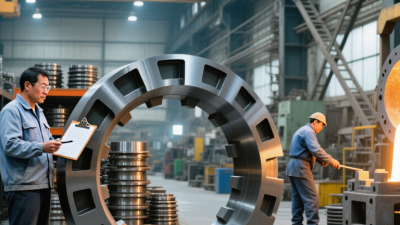
This guide introduces suppliers and explains what buyers can verify before requesting a quote. Look for clear grade information, documented inspection practices, realistic production lead times, and experience with parts similar to yours. Ask how dimensions are checked, what material test records can be supplied, and whether the manufacturer can review drawings before production. A sample or trial order may reveal issues that a catalog cannot. Still, one successful sample does not guarantee every future batch will match.
Communication is evidence, too. Specific answers about tolerances, defect handling, and packaging are more useful than broad claims of “premium quality.” Be cautious when supplier listings omit technical details; that omission does not prove poor workmanship, but it deserves follow-up. No shortlist can replace engineering review of the part and its service conditions. The best choice is the supplier whose capabilities fit your application and whose claims can be checked. That takes care.
Manganese steel castings are components made from steel with a high manganese content. They are used in equipment exposed to repeated impact and abrasive wear, such as crusher parts and rail components. Under impact, the surface can harden while the interior remains comparatively tough. That balance depends on the alloy and service conditions.
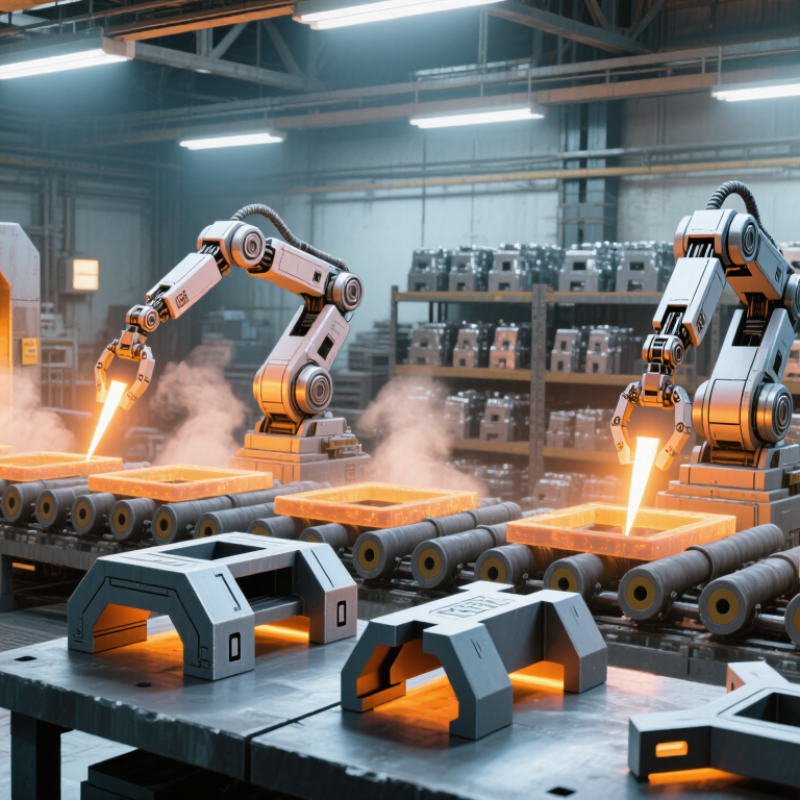
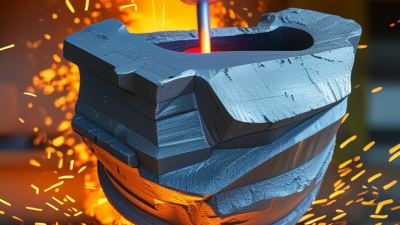
Making a casting starts with melting and checking the alloy’s chemical composition. Molten steel is poured into a prepared mold, then allowed to solidify. After removal, the casting may be cleaned, trimmed, and heat-treated. Many manganese steel grades use solution heat treatment followed by rapid quenching, but the right cycle depends on the specification and section size. Inspection can include visual checks, dimensional measurements, and suitable nondestructive testing. A drawing rarely tells the whole story; actual wear conditions matter, too.
Tips: Share the part’s dimensions, impact level, and operating environment when requesting a quote. Ask how chemistry, heat treatment, and inspection are controlled. Small details can change performance.
2026 Best Manganese Steel Castings Suppliers? Key Grades, Properties, and Performance Benefits
Manganese steel castings are valued for combining toughness with impact-driven work hardening. Many high-manganese austenitic grades contain roughly 11–14% manganese, though exact chemistry depends on the specification. Hadfield-type grades are common for crusher parts, rail components, and excavator bucket teeth. Impact matters. Under repeated blows, the surface can harden while the inner material remains more ductile. This balance helps components resist cracking in demanding service.
Grade selection should match the actual load, not just a catalogue description. A crusher liner facing large rock impacts may benefit from a different carbon and manganese range than a track shoe exposed to mixed wear. Confirm the governing material standard, heat-treatment requirements, casting dimensions, and inspection records with the supplier. Ask how the casting is checked for internal defects. A tough alloy can still fail if its section is uneven or its heat treatment is poorly controlled. The details are easy to overlook.
Tips: Share drawings, operating temperature, impact levels, and wear conditions before requesting a quotation. Ask for traceable test results and clarify acceptance criteria. Manganese steel may perform poorly in low-impact abrasion, where the surface cannot work-harden effectively. That distinction deserves a second look before choosing a grade.
| Category | Grade or Evaluation Factor | Typical Data or Requirement | Performance Benefit | What to Verify with a Supplier |
|---|---|---|---|---|
| Manganese Steel Grade Comparison | ||||
| Standard austenitic manganese steel | ASTM A128 Grade A | Typically 1.05–1.35% carbon and at least 11.5% manganese; exact limits and supplementary requirements should be confirmed against the applicable specification edition. | Combines high toughness with the capacity to work-harden under repeated impact and pressure. | Confirm the specified standard, chemical analysis, heat-treatment condition, and required inspection documents. |
| Higher-manganese option | ASTM A128 Grade B-3 | Commonly specified with about 0.90–1.20% carbon and 14–16% manganese; confirm the governing specification and purchase requirements. | May be selected where a higher manganese content is required; performance still depends on casting quality, heat treatment, and service conditions. | Request a heat-specific chemistry report and confirmation that the grade designation matches the current contract specification. |
| Chromium-alloyed option | ASTM A128 Grade B-4 | Often specified with about 0.90–1.20% carbon, 11.5–14% manganese, and 1.5–2.5% chromium; verify limits in the applicable edition. | Chromium is used as an alloying addition, but it does not remove the need for suitable impact conditions and correct heat treatment. | Check chemistry, heat-treatment records, and whether the alloy is appropriate for the actual wear mechanism. |
| Material condition | Solution heat-treated austenitic structure | Castings are commonly solution heat-treated and rapidly quenched. The exact cycle depends on section thickness, alloy, and applicable requirements. | Helps dissolve carbides and retain a tough austenitic structure; uncontrolled cooling can reduce toughness. | Ask for furnace records, quench details, and inspection results appropriate to the casting’s size and geometry. |
| Hardness behavior | Initial and work-hardened surface | As-supplied hardness is commonly around 180–240 HB, while heavily work-hardened surfaces may reach roughly 400–550 HB. These are indicative ranges, not guaranteed acceptance values. | The surface can become harder in high-impact service while the underlying material remains comparatively tough. | Agree on test locations and acceptance criteria; surface readings may not represent the full section or service-worn condition. |
| Wear suitability | Impact-assisted abrasion | Best suited to applications where repeated impact or high contact pressure promotes work-hardening. | Can provide strong service life in crushing and material-handling parts exposed to impact. | Review feed material, impact level, operating conditions, and wear history before selecting a grade. |
| Wear limitation | Low-impact sliding abrasion | Work-hardening may be limited when impact and pressure are low. | Another wear-resistant alloy or material may perform better in predominantly low-impact abrasion. | Ask the supplier to assess the wear mechanism rather than selecting manganese steel by hardness alone. |
| Typical applications | Crusher and handling components | Examples include crusher jaws, cone-crusher liners, impactor parts, and some excavator or dredging components. | High toughness and work-hardening capacity can suit parts exposed to repeated impact and abrasive feed. | Confirm drawing, fit, section thickness, expected impact, and replacement interval for the specific component. |
| Supplier Capability and Quality Checks | ||||
| Specification control | Standards and purchase requirements | Supplier should identify the exact material standard, grade, edition, and any additional customer requirements. | Reduces the risk of grade ambiguity and inconsistent acceptance criteria. | Request a written quotation that lists grade, standard edition, tolerances, and inspection scope. |
| Chemical verification | Heat-specific analysis | Analysis should be traceable to the production heat and cover the elements required by the specified grade. | Confirms that the melt chemistry is within the agreed limits. | Request a material test report with heat number and measured composition. |
| Internal soundness | Non-destructive examination | Radiographic, ultrasonic, magnetic-particle, or liquid-penetrant testing may be specified according to geometry and defect risk. | Helps identify relevant casting discontinuities when the selected method is suitable for the part. | Define the method, examination zones, acceptance level, and reporting requirements before production. |
| Dimensional control | Drawing and fit verification | Inspection should address critical dimensions, machining allowances, interfaces, and agreed tolerances. | Improves interchangeability and reduces installation or assembly delays. | Request an inspection report for critical dimensions and confirm how tolerances are measured. |
| Traceability | Records and identification | Castings should be traceable to heat, grade, inspection records, and shipment documentation where required. | Supports quality investigations and replacement-part consistency. | Confirm permanent or shipment-level identification and document retention arrangements. |
| Technical support | Application review | A capable supplier should review operating impact, feed characteristics, part geometry, and failure history. | Helps determine whether manganese steel and the proposed grade match the actual service conditions. | Provide operating data and ask for a documented material and inspection recommendation. |
| Note: Composition ranges and hardness figures above are indicative reference values. Confirm all requirements against the applicable standard edition, purchase specification, and heat-specific test reports. Actual service life depends on impact, abrasion, casting design, heat treatment, and operating conditions. | ||||

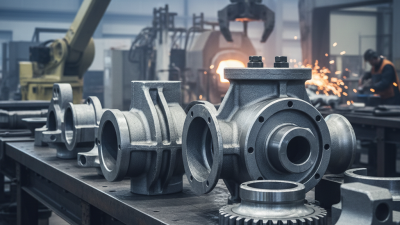
Manganese steel castings are used where equipment faces repeated impact and abrasive wear. In mines and quarries, jaw plates, crusher liners, and feeder pans take the hit from falling rock. On construction sites, bucket teeth and cutting edges encounter gravel and broken concrete. Impact is the clue. The material can work-harden under service, but it is not automatically the best choice for every sliding-wear application.
Steelmaking drives much of the demand for manganese. The U.S. Geological Survey’s Mineral Commodity Summaries 2025 identifies steel production as its principal end use, at roughly 90% of manganese consumption. That connection helps explain its place in heavy industry: cast components appear in mining, aggregate processing, rail infrastructure, and cement plants. Common examples include rail crossings, mill liners, and crusher parts. Conditions matter. A liner that performs well with large, sharp rock may wear differently under fine, continuous abrasion.
For buyers, the equipment duty is more useful than a generic “wear-resistant” label. Check impact load, feed size, operating temperature, and whether the casting can be turned or replaced easily. ASTM A128/A128M covers austenitic manganese steel castings, but a specification alone cannot predict service life. Not every liner qualifies. Field inspection records and wear measurements often reveal more than a neat catalog description—and those records can be incomplete.
2026 Best Manganese Steel Castings Suppliers?
How to Evaluate Manganese Steel Casting Suppliers in 2026
When evaluating manganese steel casting suppliers in 2026, look beyond quoted price and catalog claims. Ask how the foundry controls melt chemistry, pouring, and heat treatment for your part’s section thickness. Manganese steel relies on suitable composition and processing; a material label alone proves little. Request test records linked to the actual heat, including chemical analysis and relevant hardness or impact results. Small details matter.
Inspect how the supplier handles patterns, feeding, and defect checks. Ask for photographs or inspection records showing areas prone to shrinkage, cracks, or uneven sections. A capable supplier should explain how it investigates a rejected casting, not simply promise that defects never happen. Paperwork can look tidy; the casting still needs scrutiny.
Compare sample castings against your operating conditions, including impact, abrasion, and maintenance intervals. Manganese steel can work-harden under impact, but performance depends on the application and the part’s design. Discuss trial quantities, dimensional inspection, and how changes will be documented before approving repeat orders. I would not treat one successful sample as a guarantee. It is useful evidence, not certainty. Clear communication about limits may be more valuable than a confident sales pitch.
A practical supplier check starts with verifiable material specifications. The chart shows the carbon and manganese composition limits for ASTM A128/A128M Grade A high-manganese steel, in weight percent.
Ask suppliers for heat-specific material test reports and confirm that reported chemistry meets the specified grade. Chemistry is one screening check—not a substitute for evaluating casting quality, heat treatment, inspection records, and delivery performance.
Supplier comparisons should start with evidence, not sales claims. World Steel Association’s World Steel in Figures 2025 reports 1,882.6 million tonnes of crude steel production in 2024. That scale makes consistent material control essential. The USGS Mineral Commodity Summaries 2025 estimates global manganese mine production at about 20 million tonnes in 2024, measured as contained manganese. For castings, ask suppliers for chemistry records, heat-treatment charts, and inspection results tied to each batch. Confirm they can meet the applicable high-manganese steel specification, such as ASTM A128/A128M. A polished sample is not enough. Small details matter.
Customization should include more than shape. Request a drawing review that covers wall thickness, wear zones, machining allowance, and expected impact conditions. Ask how the supplier verifies hardness across the casting, rather than at one convenient point. Lead times should distinguish pattern work, production, heat treatment, inspection, and shipping. Compare quoted schedules against recent delivery records, and ask how delays are communicated. Support matters after shipment, too: clarify who reviews a failure, what evidence they need, and how quickly they respond. I would still treat any promised service level cautiously unless it appears in writing. Realistically, no supplier is perfect. The useful comparison is whether its process makes problems visible early.