2026 High Chromium Cast Iron Uses and Benefits Explained?
High Chromium Cast Iron is a material renowned for its durability and wear resistance, crucial in various industrial applications. According to a 2023 industry report from the International Journal of Material Science, the demand for High Chromium Cast Iron in heavy machinery has surged by 15% over the last five years. This increase highlights its importance in sectors like mining and construction, where component longevity is essential.
Expert Richard Thompson, a leading metallurgist in the field, states, "High Chromium Cast Iron is revolutionizing the way we approach wear-resistant applications." This statement underscores the material's unique properties, such as its high hardness and ability to withstand abrasive conditions. However, industries must also consider the challenges associated with its production and processing, which can lead to higher costs and environmental concerns.
The benefits of High Chromium Cast Iron are clear, but companies must navigate its complexities. Balancing cost and performance remains a challenge. As with any advanced material, continuous research and development are pivotal for optimizing its use. Industries must remain vigilant and adaptable to improve their applications of High Chromium Cast Iron.
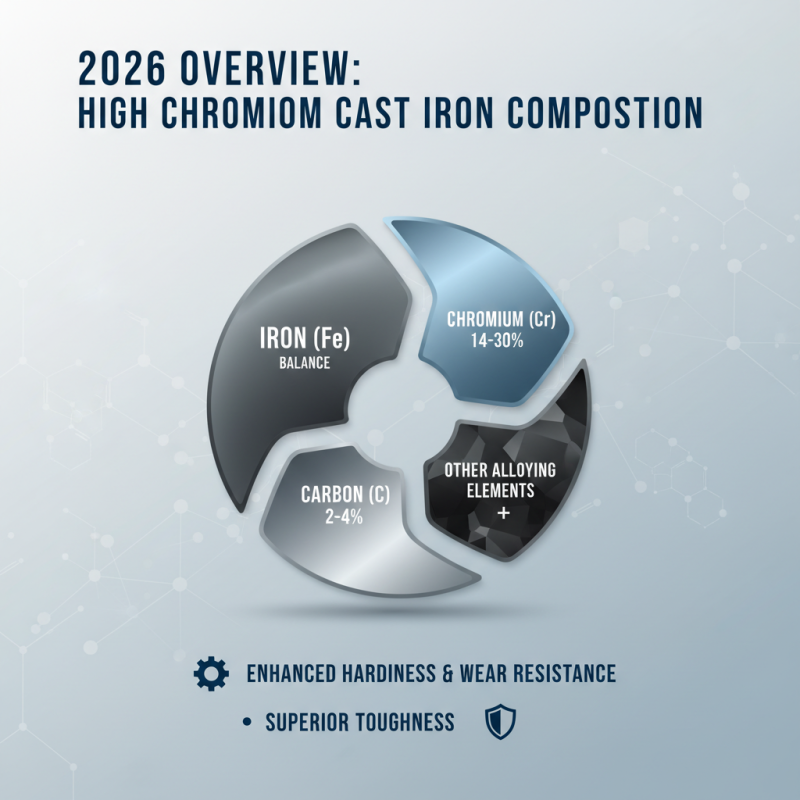
2026 Overview of High Chromium Cast Iron and Its Composition
High chromium cast iron is notable for its unique composition. It mainly consists of iron, chromium, carbon, and other alloying elements. The chromium content can range from 14% to 30%. This significant level of chromium enhances hardness and wear resistance, making it ideal for various applications. The presence of carbon, often around 2-4%, contributes to its toughness.
Applications of high chromium cast iron are diverse. It is commonly used in mining, cement, and power generation industries. These sectors benefit from its durability against abrasive wear. For instance, it is used in manufacturing grinding media and mill liners. These components face intense stress and require materials that can withstand high impacts.
However, producing high chromium cast iron is not without challenges. The casting process requires precise control of temperature and composition. Improper techniques can lead to defects like cracking or porosity. Additionally, the environmental impact of mining chromium is a concern. Balancing performance and sustainability remains a critical issue for manufacturers. The material’s benefits must be weighed against these realities, highlighting the need for ongoing improvements in production practices.
Applications of High Chromium Cast Iron in Industrial Machinery
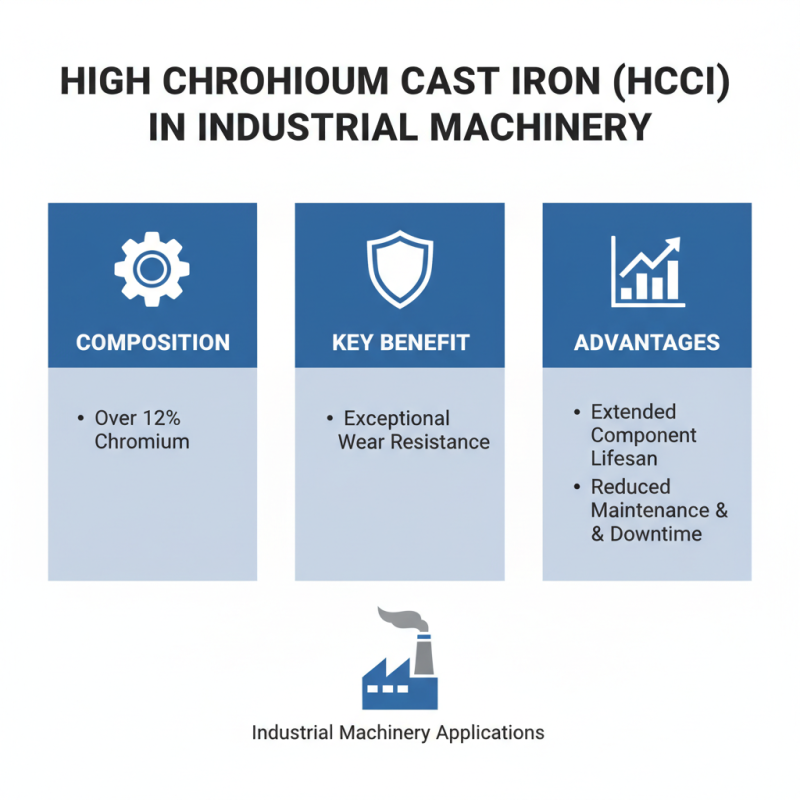
High chromium cast iron (HCCI) is a material widely used in industrial machinery. With a chromium content of over 12%, it offers exceptional wear resistance. Studies show that machinery components made from HCCI last significantly longer than those made from standard cast iron. This longevity translates into reduced maintenance costs and more efficient operations.
HCCI is commonly utilized in the production of high-impact tools and equipment. Mining industries often employ HCCI in excavators and crushers. Reports indicate that equipment using HCCI can withstand abrasive environments, significantly reducing downtime. Moreover, its resistance to heat and corrosion makes it ideal for high-temperature applications.
However, it's important to consider the challenges associated with HCCI. The manufacturing process can be complex and expensive. For smaller operations, the initial investment may be daunting. Additionally, while HCCI has impressive durability, it can be brittle. This brittleness requires careful engineering and design to avoid catastrophic failures during operation. The balance between its benefits and potential drawbacks is crucial for effective use in industrial applications.
Key Benefits of High Chromium Cast Iron for Wear Resistance
High chromium cast iron is celebrated for its excellent wear resistance. This material is ideal for harsh environments. It features high chromium content, enhancing its toughness. Components made from this alloy often outlast traditional iron. Many industries rely on its durability.
The key benefits of high chromium cast iron are evident in various applications. Mining and construction sectors often use it for wear parts. It resists abrasion, which leads to longer service life. Equipment designed with this material can withstand extreme conditions. Maintenance costs can decrease, saving time and resources.
Tips: Consider using high chromium cast iron for parts that face high wear. However, quality control is essential during the production process. Check for imperfections; they can impact performance. Don't rush into selecting materials without thorough research. Remember—sometimes, the best solution requires extra effort in selection and testing.
2026 High Chromium Cast Iron Uses and Benefits Explained - Key Benefits of High Chromium Cast Iron for Wear Resistance
| Application |
Benefit |
Wear Resistance Factor |
Typical Hardness (HRC) |
| Mining Equipment |
High abrasion resistance |
High |
56-62 |
| Cement Industry |
Excellent wear life |
Very High |
58-65 |
| Railway Components |
Improved durability |
High |
54-60 |
| Sugar Industry |
Corrosion resistance |
High |
55-62 |
| Power Generation |
Reduced maintenance costs |
High |
57-63 |
Market Trends and Demand for High Chromium Cast Iron in 2026
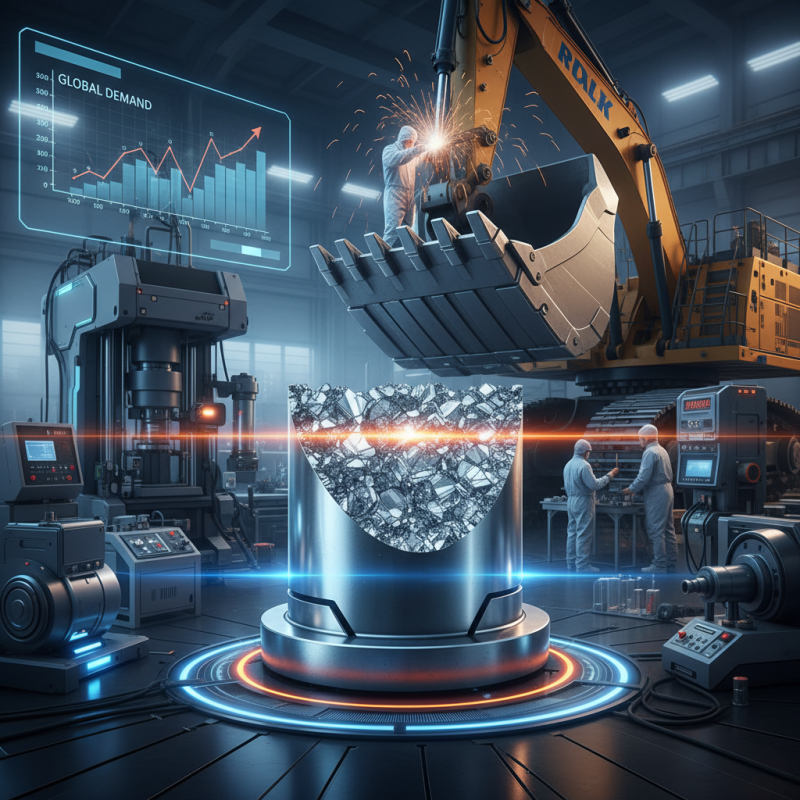
In 2026, the demand for high chromium cast iron is expected to rise significantly. Industry analysts predict an increase in usage across various sectors, especially in mining and heavy machinery. A report from Global Market Insights highlights that the market could grow by nearly 4% annually from 2024 to 2026.
The unique properties of high chromium cast iron make it ideal for wear-resistant applications. Its high hardness level and durability enhance performance in harsh environments. However, the production process is energy-intensive, raising concerns about environmental sustainability. This paradox may hinder growth as companies seek greener alternatives.
Market trends indicate a shifting focus towards recycling and reducing waste. More manufacturers are exploring how to produce high chromium cast iron with less energy. Despite its benefits, the challenge remains: balancing high performance with environmental responsibilities. The ongoing research into more sustainable methods might shape the future of high chromium cast iron usage. Adapting to these emerging trends is crucial for industry players.
Comparative Analysis of High Chromium Cast Iron and Other Alloys
High chromium cast iron stands out for its wear resistance and toughness. Compared to traditional alloys, it offers superior performance in harsh environments. The alloy's high carbon content enhances hardness, making it ideal for heavy-duty applications. Yet, its brittleness can be a drawback. Users must balance the benefits with potential fractures.
When pit against other materials like stainless steel or aluminum, high chromium cast iron shows notable advantages. Its resistance to corrosion and abrasion is impressive. This makes it suitable for mining and cement applications. However, this strength comes at a cost. The heavier nature of high chromium cast iron can impact transportation and installation.
Manufacturers must weigh these factors. The complexity of high chromium cast iron also adds to production challenges. Not all applications will benefit equally. It's essential to evaluate specific needs and conditions before choosing this alloy. This careful consideration is what ultimately drives successful outcomes in industries relying on durable materials.
2026 High Chromium Cast Iron Uses and Benefits
This chart illustrates the performance ratings of High Chromium Cast Iron compared to other alloys across five key dimensions: wear resistance, corrosion resistance, hardness, machinability, and cost efficiency. High Chromium Cast Iron shows superior wear and corrosion resistance, making it a preferred choice for applications requiring high durability.