2026 Top Ductile Iron Fittings for Global Suppliers?
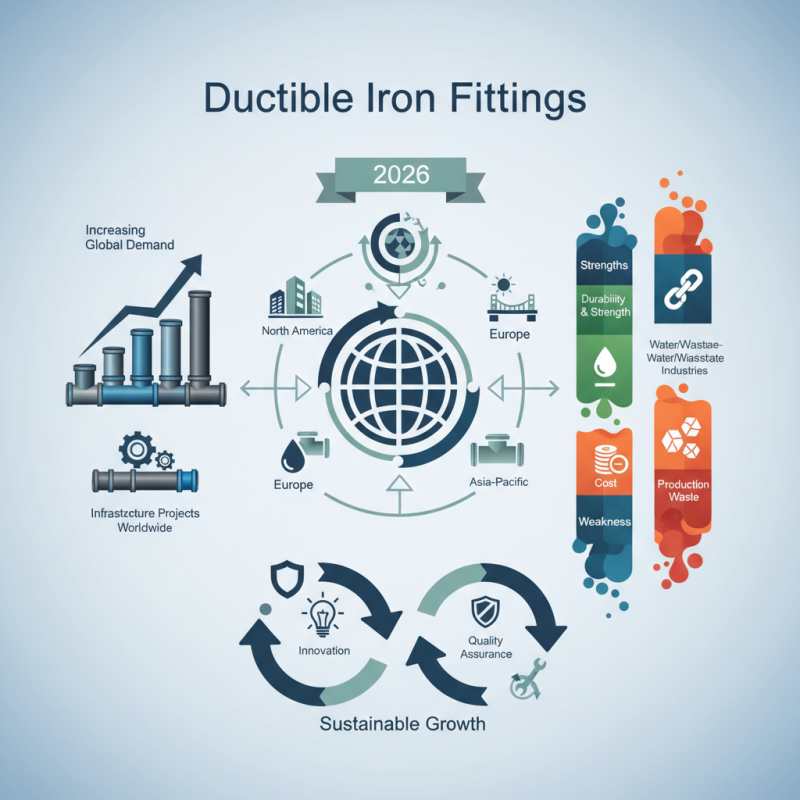
The global demand for Ductile Iron Fittings is steadily increasing. According to a recent report by Grand View Research, the market is projected to grow at a CAGR of 6.3% from 2021 to 2028. This growth reflects a significant rise in infrastructure projects worldwide. Ductile iron, known for its durability and strength, plays a crucial role in water and wastewater industries.
As suppliers seek to enhance their product offerings, understanding the preferences of various regions is essential. North America and Europe are leading markets, primarily due to stringent infrastructure standards. However, emerging markets in Asia-Pacific present unique challenges. The availability of raw materials and manufacturing processes can affect supply chain dynamics.
While the advantages of Ductile Iron Fittings are clear, companies must also address weaknesses such as cost and production waste. A balanced approach can ensure sustainable growth. Suppliers must continually innovate and adapt to meet changing demands. Investing in quality assurance will strengthen their market position.
2026 Trends in Ductile Iron Fittings in Global Markets
The market for ductile iron fittings is evolving rapidly. In 2026, several trends are shaping global demand and production. Sustainability is key. There is a push for eco-friendly materials. Manufacturers are researching recycled options. This shift reflects a growing consumer consciousness about environmental impact.
Technological advancements are also making waves. New casting techniques improve strength and reduce material waste. These innovations lead to lighter designs that enhance performance. However, not all companies are adapting quickly. Some still stick to traditional methods, which may hinder their competitiveness.
Collaboration across the supply chain is vital. Builders and suppliers must work closely to innovate. Transparency in sourcing and production processes will build trust. This is particularly important as regulations tighten globally. Trust is crucial in this evolving market landscape.
Key Manufacturers of Ductile Iron Fittings for 2026
The ductile iron fittings market is evolving rapidly. Key manufacturers are stepping up their game for 2026. Companies must adapt to emerging technologies and environmental standards. The demand for durable, high-quality fittings drives innovation in production methods. This trend will impact the global supply chain significantly.
Manufacturers are focusing on new materials and processes. Sustainability is a priority for many. However, not all efforts achieve the desired outcomes. Some suppliers struggle to meet the rigorous quality standards. Ensuring consistency in products is a challenge. Other manufacturers excel by investing in research and development. They understand the importance of reliability in their supply.
As we look ahead, the market will likely see more competition. Some manufacturers may fall behind if they fail to innovate. Monitoring the performance and durability of fittings is crucial. The landscape is uncertain, and not every strategy will succeed. Future players need to recognize this reality. It may require trial and error to establish a strong market presence.
2026 Top Ductile Iron Fittings Market Analysis
This chart illustrates the projected market share of ductile iron fittings by application in 2026. The data indicates a diverse range of applications, showcasing the importance of ductile iron in various sectors.
Innovations in Ductile Iron Fitting Technologies for 2026
The ductile iron fitting industry is evolving rapidly. Innovations in technology are driving changes that could reshape the market by 2026.
Lightweight designs are gaining traction. These enhancements offer easier handling and installation.
Moreover, improved corrosion resistance is a significant focus. This not only extends product lifespan but also enhances reliability in various applications.
New manufacturing techniques are emerging, including advanced casting methods. These techniques promise to reduce production costs and improve dimensional accuracy.
Furthermore, environmentally friendly processes are becoming more prevalent. Ductile iron fittings produced with sustainable practices appeal to modern consumers.
However, the challenge remains in balancing cost and sustainability.
Testing and certification standards are also evolving. Ensuring that products meet safety requirements without compromising innovation is critical.
These developments could lead to a more robust supply chain. Yet, remaining adaptable to changes in demand is essential for suppliers.
The industry faces a period of reflection and adjustment as it moves towards more efficient solutions.
Sustainability Practices in Ductile Iron Fitting Production
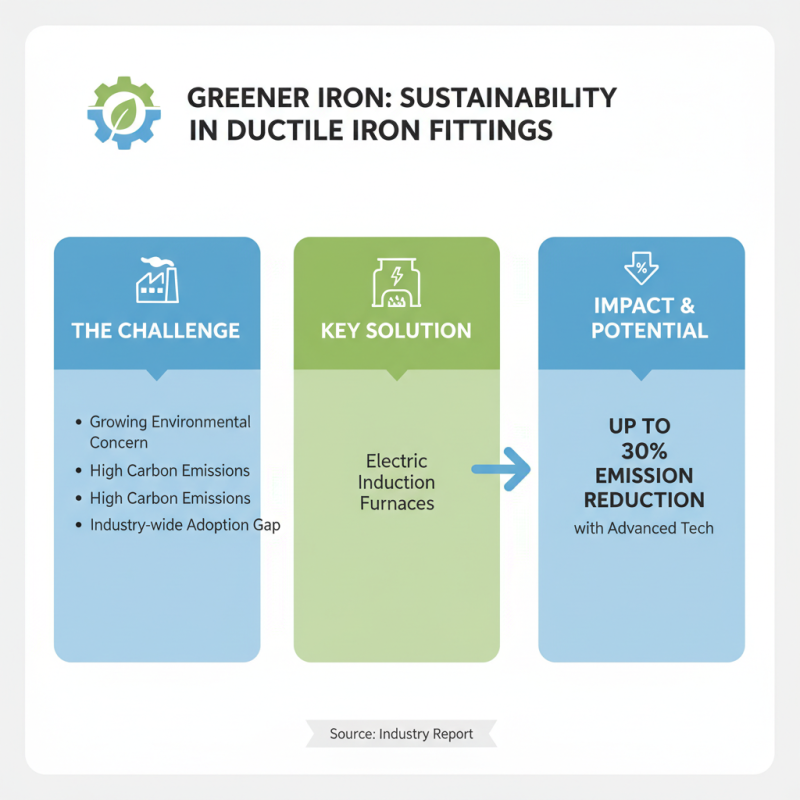
Sustainability is a growing concern in the production of ductile iron fittings. The industry recognizes the urgent need for eco-friendly practices. Advanced manufacturing techniques can significantly reduce carbon emissions. According to a recent report, up to 30% of emissions can be curtailed by adopting electric induction furnaces. These technologies are not widely implemented, highlighting a gap in the industry’s sustainability efforts.
Recycling plays a crucial role in this sector. Research indicates that using recycled materials can lower energy consumption by 20%. Yet, the percentage of recycled ductile iron used is below 50% in many regions. This inconsistency raises questions about the commitment to sustainability. Moreover, effective waste management strategies remain underutilized. Only 40% of facilities report having a comprehensive recycling program.
Investing in employee training is vital for improving these practices. Skilled workers can identify inefficiencies and suggest better methods. However, many companies neglect this essential aspect. As a result, they miss opportunities for innovation and improvement. The industry must strive for greater transparency in sustainability reporting to build trust and accountability.
Global Demand Forecast for Ductile Iron Fittings in 2026
The global demand for ductile iron fittings is poised for significant growth by 2026. This growth is driven by various sectors, including construction and infrastructure. Emerging markets are expected to play a critical role in this expansion. Their rising urbanization and industrial activities will lead to increased infrastructure investments.
Several factors contribute to this forecast. The strength and durability of ductile iron make it a preferred choice in various applications. Industries are shifting toward materials that offer both longevity and performance. However, there are challenges, such as fluctuating raw material costs and competition with alternative materials. Manufacturers need to adapt and innovate to stay competitive.
As we look forward, the demand landscape could change rapidly. Economic uncertainties may impact purchasing decisions. Sustainability concerns are also gaining traction. Companies might face pressure to improve their environmental footprint. It’s crucial to balance these challenges with the potential for growth in this sector.