Exploring the Advantages of Centrifugal Casting in Modern Manufacturing Techniques
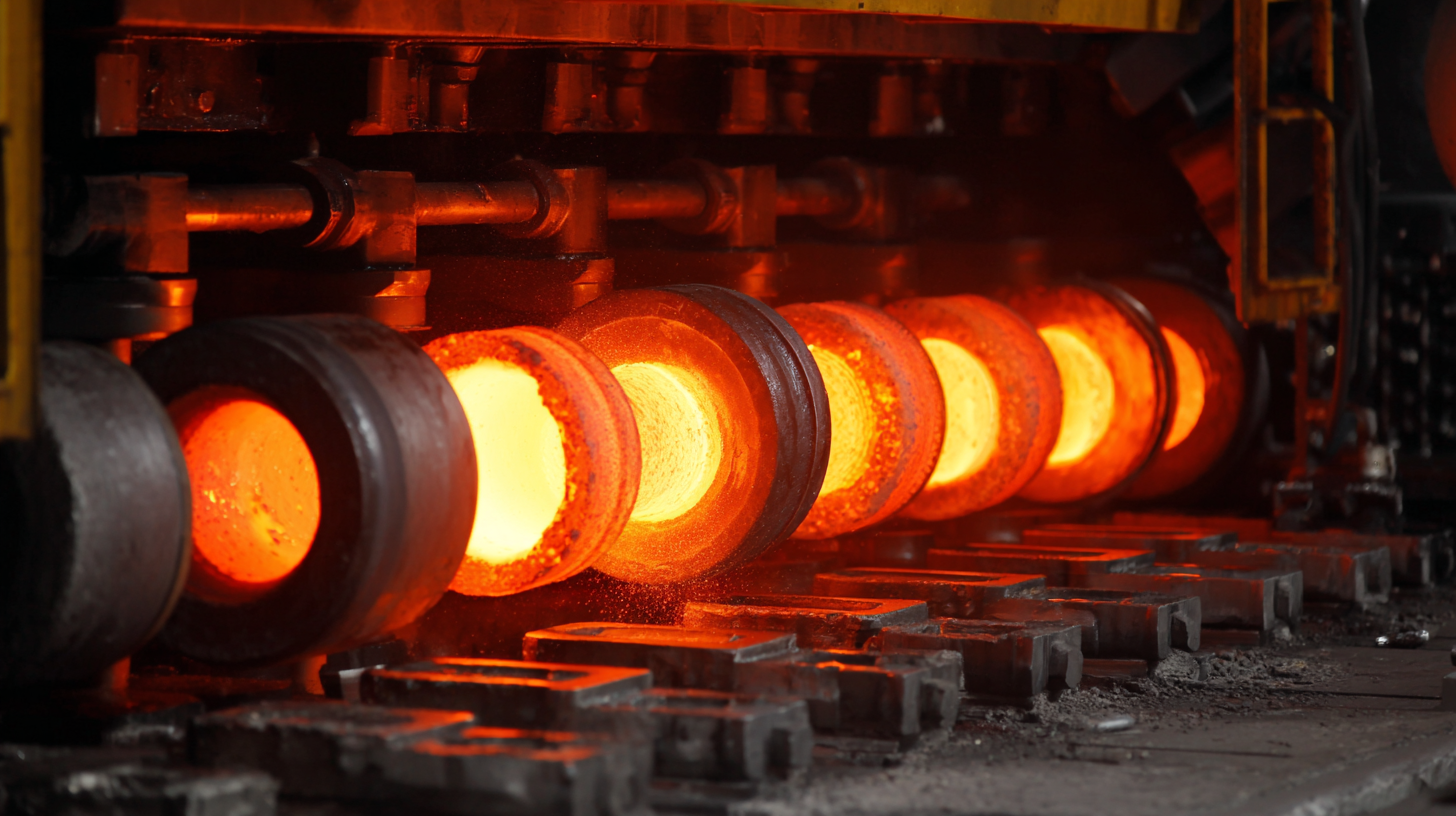 Centrifugal casting has emerged as a pivotal technique in modern manufacturing, recognized for its efficiency and precision in producing high-quality metal parts. According to a recent market analysis by Grand View Research, the global centrifugal casting market is projected to reach USD 2.3 billion by 2025, reflecting its growing importance in industries such as aerospace, automotive, and heavy machinery.
This process leverages the force of centrifugal motion to enhance material properties, reduce porosity, and improve dimensional accuracy, making it ideal for creating complex components that demand reliability and strength. As manufacturers increasingly prioritize sustainability and cost-effectiveness, centrifugal casting offers compelling advantages, such as reduced waste and lower production costs. In this context, understanding the benefits of centrifugal casting becomes essential for industry professionals aiming to innovate and maintain competitive superiority in a rapidly evolving market.
Benefits of Centrifugal Casting in Precision Component Manufacturing
Centrifugal casting has emerged as a vital technique in precision component manufacturing, offering significant advantages over traditional methods. This process allows for improved material density and uniformity, which is crucial for high-performance applications. According to industry reports, centrifugal casting can achieve up to 30% greater strength in components compared to parts produced by conventional casting methods. This improvement makes it particularly desirable for the aerospace and automotive industries where precision and reliability are paramount.
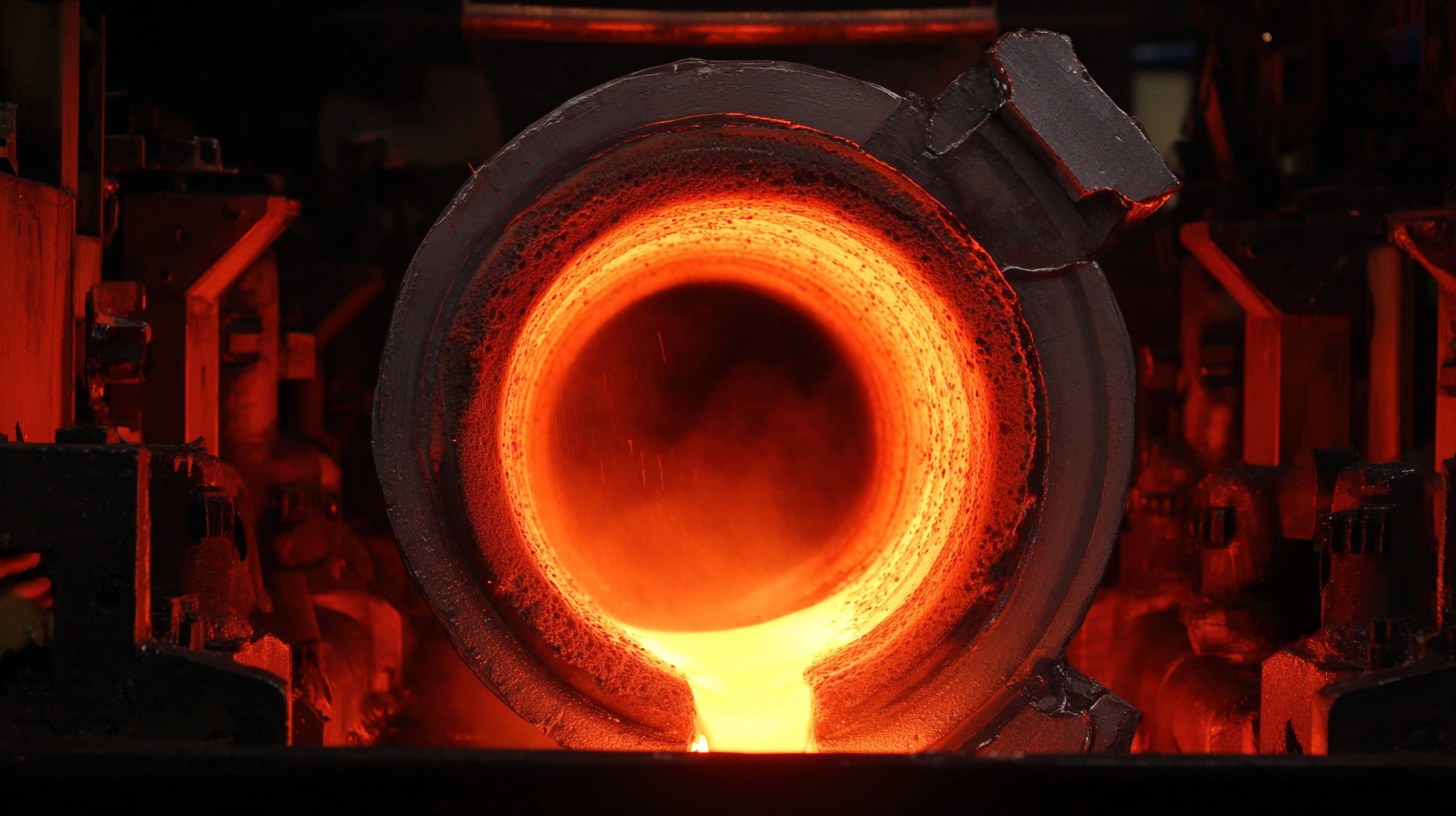
One of the key benefits of centrifugal casting is its ability to produce complex geometries with minimal post-processing. This capability not only reduces manufacturing lead times but also lowers the overall production costs. With the demand for precision parts increasing, manufacturers are increasingly adopting this method to maintain competitiveness. Additionally, centrifugal casting is known for its reduced waste, as it allows for better control of the material flow and less excess scrap.
Tips: When considering centrifugal casting for your manufacturing processes, ensure to evaluate the specifications of the components needed. Understanding the intricacies of material properties and flow dynamics can significantly impact the efficiency of production. Also, collaborating with experienced foundries can provide insights into optimizing designs for centrifugal casting, ultimately leading to enhanced product performance.
Cost-Effectiveness of Centrifugal Casting Compared to Traditional Methods
Centrifugal casting emerges as a cost-effective alternative to traditional manufacturing methods, particularly in the production of complex shapes and large components.
Unlike conventional casting techniques that often involve significant material waste, centrifugal casting optimizes material usage by utilizing a centrifugal force that distributes molten metal evenly within a mold. This efficiency reduces the amount of raw material required, helping manufacturers lower production costs while maintaining quality.
Moreover, the process of centrifugal casting enables quicker cycle times due to its ability to rapidly solidify metal in a uniform manner.
This is advantageous for manufacturers aiming to meet increased production demands without incurring additional labor or energy costs typically associated with traditional casting. By minimizing operational downtime and enhancing throughput, centrifugal casting not only streamlines manufacturing processes but also enhances profitability, making it an attractive option for modern industry.
Enhanced Material Properties Achieved Through Centrifugal Casting Techniques
Centrifugal casting is increasingly recognized for its ability to enhance material properties significantly compared to traditional casting methods. By utilizing the principles of centrifugal force, this technique allows for a more uniform distribution of metal within the mold. The rapid rotation ensures that impurities and inclusions are pushed to the center, resulting in a cleaner and more homogenous material. This process not only improves the structural integrity of the final product but also allows for finer grain structures, leading to superior mechanical characteristics such as increased strength and ductility.
Moreover, the temperature control during centrifugal casting plays a crucial role in achieving enhanced material properties. The centrifugal force helps maintain a consistent melt temperature, reducing the occurrence of defects like shrinkage porosity. As the molten metal solidifies under centrifugal pressure, the tightness of the grain structure is enhanced, resulting in parts that are more resistant to wear and fatigue. This combination of benefits makes centrifugal casting an ideal choice for demanding applications in industries such as aerospace, automotive, and energy production, where high performance and reliability are critical.
Centrifugal Casting's Role in Reducing Production Time and Increasing Efficiency
Centrifugal casting is increasingly recognized for its significant role in modern manufacturing, particularly in reducing production time and enhancing overall efficiency. By utilizing centrifugal forces, manufacturers can produce castings that have superior density and structural integrity. This technique allows for a streamlined production process, significantly lowering the time taken to produce complex metal components. For instance, innovative applications of casting technology have demonstrated that operations that previously took one hour can be reduced to just three minutes, showcasing how centrifugal casting can transform the efficiency of manufacturing lines.
Moreover, the metals equipment market is projected to see substantial growth, with revenue expected to rise significantly over the next decade. This trend indicates a burgeoning demand for more efficient production methods, aligning well with advancements in casting technologies. As industries like automotive embrace integrated body casting techniques, the potential for reduced production time and decreased costs is remarkable. Such innovations not only contribute to faster production but also enable manufacturers to meet increasing market demands with improved efficiency and reduced operational expenses, thereby setting a new standard for manufacturing practices.
Environmental Impact and Sustainability in Centrifugal Casting Processes
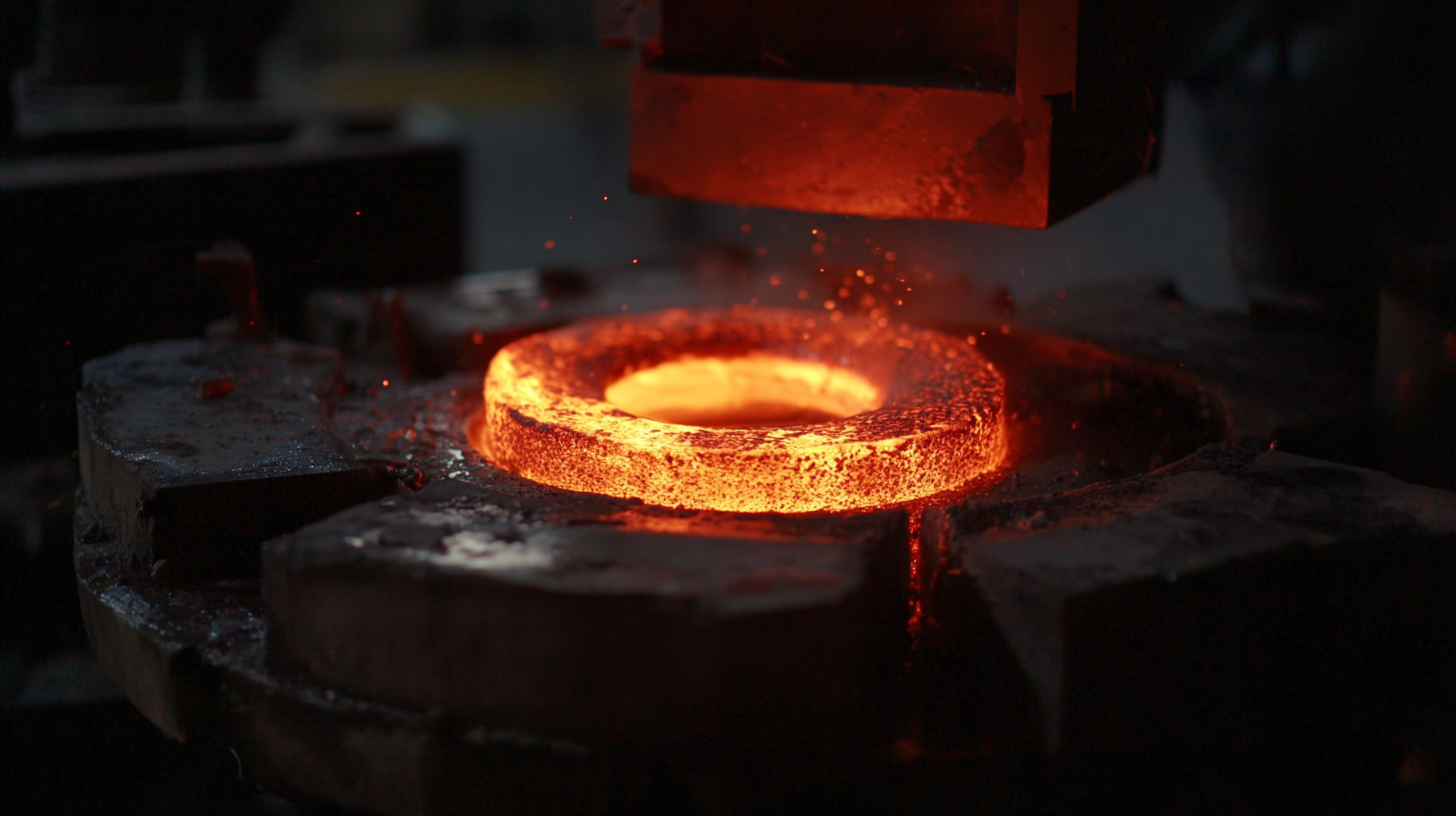 Centrifugal casting, a process revered for its efficiency and precision, also stands out for its role in promoting environmental sustainability within the manufacturing sector. According to a report by the International Journal of Environmental Science and Technology, centrifugal casting can significantly reduce waste generation, with a decrease in scrap rates by up to 30% when compared to traditional casting methods. This reduction not only minimizes resource depletion but also lowers the overall carbon footprint associated with production.
Moreover, the materials used in centrifugal casting often possess superior mechanical properties, allowing for thinner wall sections and reduced material usage. A study published in the Journal of Cleaner Production indicates that the utilization of recycled materials in this casting process can further enhance sustainability efforts, with as much as 50% of the raw materials potentially being sourced from recycled content. This integration not only lowers production costs but also reinforces the industry’s commitment to eco-friendly practices. As manufacturers increasingly prioritize sustainable methods, centrifugal casting emerges as a crucial technique that aligns economic and environmental goals.