Top 10 Benefits of Ductile Iron Castings for Industrial Applications?
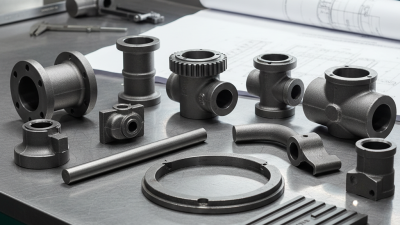
Ductile Iron Castings are widely recognized in industrial applications for their remarkable strength and durability. These materials combine excellent mechanical properties with versatility, making them suitable for various industries. Engineers and manufacturers often prefer them for critical components.
One key advantage of Ductile Iron Castings is their ability to withstand shock loads and fatigue. This feature is particularly valuable in machinery and automotive parts. Industries like mining and construction benefit significantly from these castings due to their resilience. However, some challenges exist, such as the need for careful processing and quality control.
Moreover, Ductile Iron Castings can be produced in various shapes and sizes, offering design flexibility. This adaptability can lead to potential inconsistencies if not managed properly. Despite these concerns, the benefits frequently outweigh the drawbacks, highlighting their importance in industrial applications. As technology advances, the capabilities of Ductile Iron Castings will likely grow, providing even more innovative solutions.
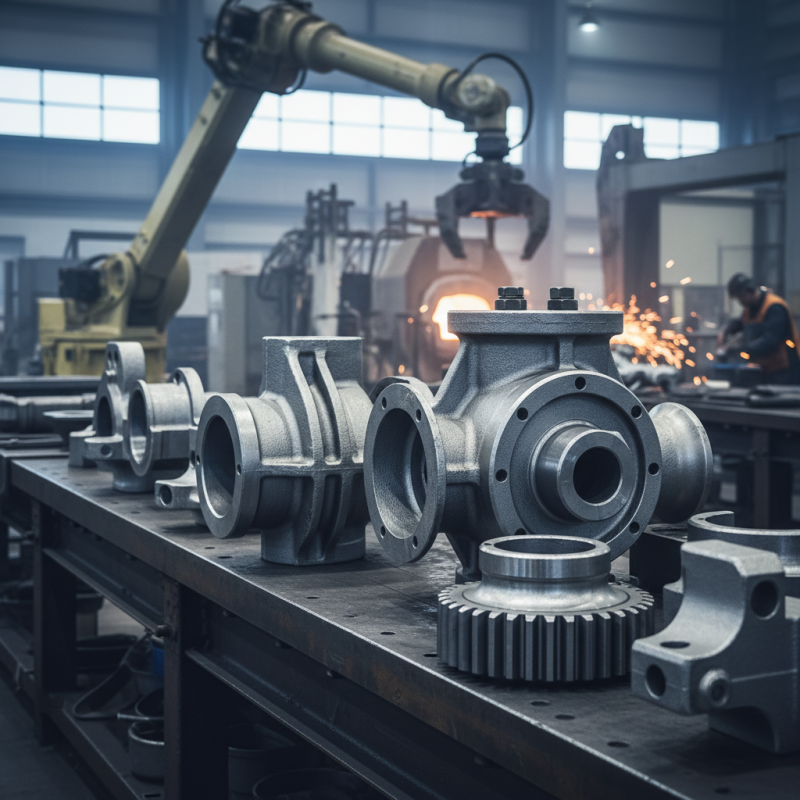
Key Characteristics of Ductile Iron in Industrial Applications
Ductile iron is known for its unique properties that make it ideal for various industrial applications. Its excellent strength-to-weight ratio allows for the creation of durable components. These castings can resist wear and fatigue, which is crucial in demanding environments. The material is versatile and can be easily shaped into complex designs. Engineers favor this adaptability for custom projects.
One of the key characteristics of ductile iron is its ability to withstand extreme temperatures. This ensures performance stability in both hot and cold conditions. Additionally, the material has good corrosion resistance, which extends the lifespan of parts. However, it’s essential to consider that not all ductile iron grades offer the same resistance. Some may require protective coatings in specific applications.
Another noteworthy aspect is its ease of machining. This means it can be cut, drilled, and shaped without compromising its integrity. Yet, this property poses challenges too. Poor machining practices may lead to defects. These imperfections could affect the final product’s performance. The balance between ease of use and maintaining quality must be prioritized in industrial settings.
Top 10 Benefits of Ductile Iron Castings for Industrial Applications
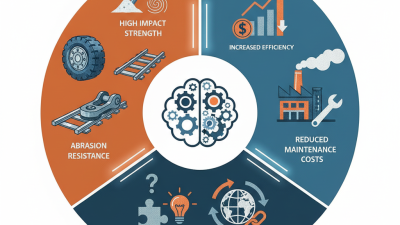
The following bar chart illustrates the key benefits of ductile iron castings in various industrial applications, highlighting their superior properties.
Enhanced Durability and Strength of Ductile Iron Castings
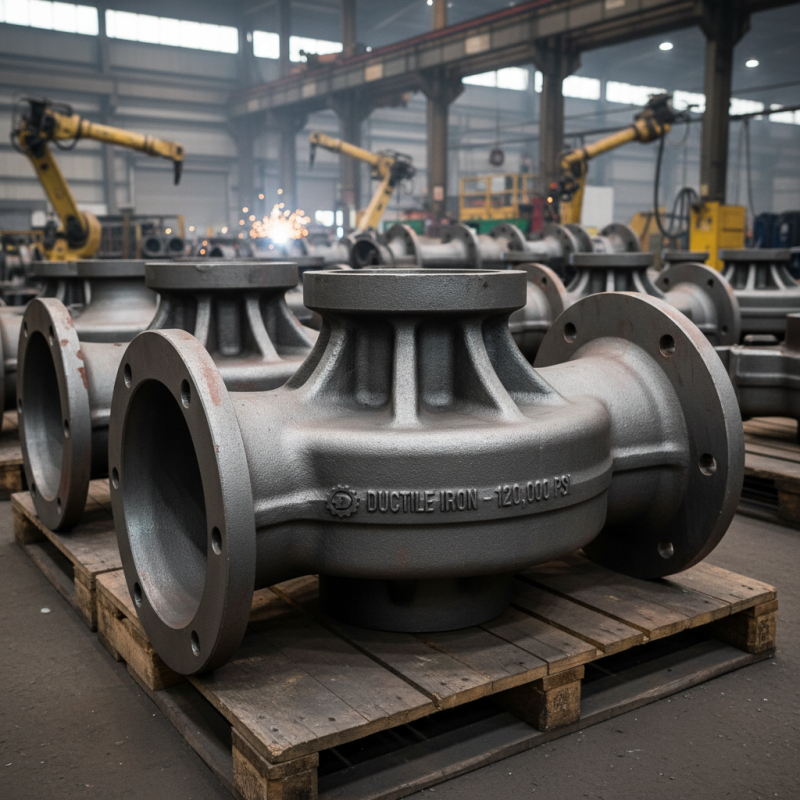
Ductile iron castings offer remarkable durability and strength, making them ideal for various industrial applications. According to a 2022 report by the International Journal of Metal Casting, ductile iron boasts a tensile strength of up to 120,000 psi. This level of strength surpasses traditional cast iron, which typically only reaches around 30,000 psi. The enhanced mechanical properties make ductile iron superior for critical components.
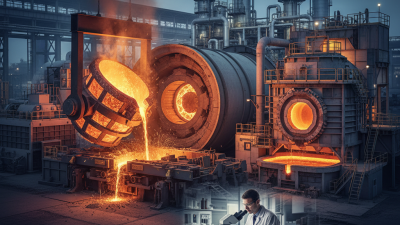
In addition to strength, ductile iron has excellent shock absorption qualities. A study from the American Foundry Society emphasizes that this material can withstand significant impacts without fracturing. This characteristic is crucial for machinery in heavy-duty environments. However, while these benefits are noteworthy, it is essential to consider the challenges in processing ductile iron. The casting process can be complex, requiring precise control of alloy compositions and temperature. Even experienced manufacturers can face issues with defects if not managed properly.
The resilience of ductile iron is balanced by its processing demands. Future improvements in production methods could enhance its applications further. Greater focus on refining techniques might reduce defects and improve overall efficiency. Despite its impressive qualities, ongoing optimization in production is vital for maximizing the benefits of ductile iron castings.
Cost-Effectiveness of Ductile Iron for Manufacturing Processes
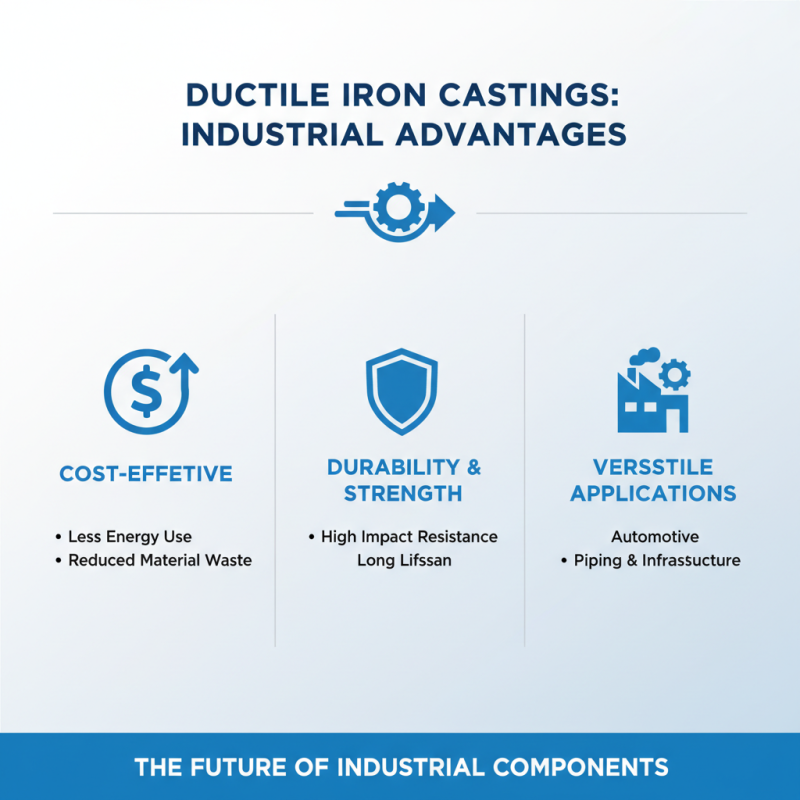
Ductile iron castings are gaining popularity in industrial applications. Their cost-effectiveness is one of the key reasons behind this trend. The manufacturing processes for ductile iron are efficient. They require less energy and raw material, which lowers production costs. This economic aspect is crucial for businesses aiming to maintain profitability.
In addition, ductile iron offers excellent mechanical properties. It withstands heavy loads and resists wear. This means lower maintenance costs over time. However, achieving the right balance in casting quality can be challenging. Variations in alloy composition can affect its properties. Manufacturers should prioritize quality checks in the production process.
Tips: Always test different alloys to find the best results. Sometimes, what works for one application might not for another. Keep track of production metrics and adjust as needed. Understanding the right processes will lead to better quality and cost savings. Lastly, ensure proper training for staff involved in manufacturing. Their knowledge can significantly impact efficiency and effectiveness.
Versatility of Ductile Iron in Various Industries
Ductile iron is gaining popularity across various industries due to its remarkable properties. This material is highly versatile, making it suitable for a wide range of applications. In automotive manufacturing, ductile iron's strength benefits engine components and transmissions. It's also used in the production of pipes for water and gas distribution, showcasing its robustness against pressure.
In the construction sector, ductile iron castings offer longevity. They can withstand harsh environments, making them ideal for infrastructure projects. However, not all applications fully exploit this material’s advantages. Some industries may overlook the cost-effectiveness ductile iron can provide. Emphasizing its low maintenance and durability could enhance its usage.
Tips for considering ductile iron include assessing its suitability for your specific needs. Consider the environmental factors your product will face. Evaluate how ductile iron can perform against temperature changes and corrosion. Additionally, don’t underestimate the importance of quality control. Sometimes, variations in production can lead to unforeseen challenges.
Environmental Benefits of Using Ductile Iron Castings
Ductile iron castings present notable environmental benefits, making them a popular choice in industrial applications. These castings reduce waste through their durability and strength. Studies show that ductile iron can last up to 40% longer than other materials. This longevity translates to fewer replacements and reduced raw material consumption, which is vital for resource conservation.
Moreover, ductile iron can be recycled easily. Reports by the American Foundry Society state that over 90% of ductile iron scrap is recycled. This recycling capability minimizes landfill waste. Additionally, the energy required for recycling is less than that needed for producing new steel. As companies aim for greener practices, this efficient processe supports a circular economy.
Despite these advantages, the production process of ductile iron still has challenges. The casting process emits CO2, contributing to greenhouse gases. While some facilities are adopting cleaner technologies, the industry still has room for improvement. Environmental regulations are pushing for greater transparency and sustainability. The commitment to enhance these processes remains crucial for a truly eco-friendly future.