Leave Your Message

Top 10 Benefits of Using Stabilizing Rollers in Your Projects

In today's construction and engineering landscape, the use of Stabilizing Rollers is becoming increasingly essential. These tools enhance efficiency and safety on various projects, and industry reports highlight a 30% increase in productivity when used effectively. According to Jason Smith, a leading expert in construction technology, "Using Stabilizing Rollers not only simplifies the process but significantly improves outcomes."

Stabilizing Rollers aid in maintaining stability and precision during groundwork. For large-scale projects, this means fewer errors and fast-tracked timelines. Consider the high costs associated with project delays—often exceeding hundreds of thousands of dollars. By integrating Stabilizing Rollers, teams can mitigate risks and maintain project integrity.

However, it’s crucial to address the common misconception that these tools are a one-size-fits-all solution. Every project has unique challenges, and overreliance on any single tool can lead to issues. As we explore the top benefits of using Stabilizing Rollers, we will also reflect on the importance of adaptability in construction practices.
Top 10 Benefits of Using Stabilizing Rollers in Your Projects

Advantages of Stabilizing Rollers in Construction Projects

Top 10 Benefits of Using Stabilizing Rollers in Your Projects

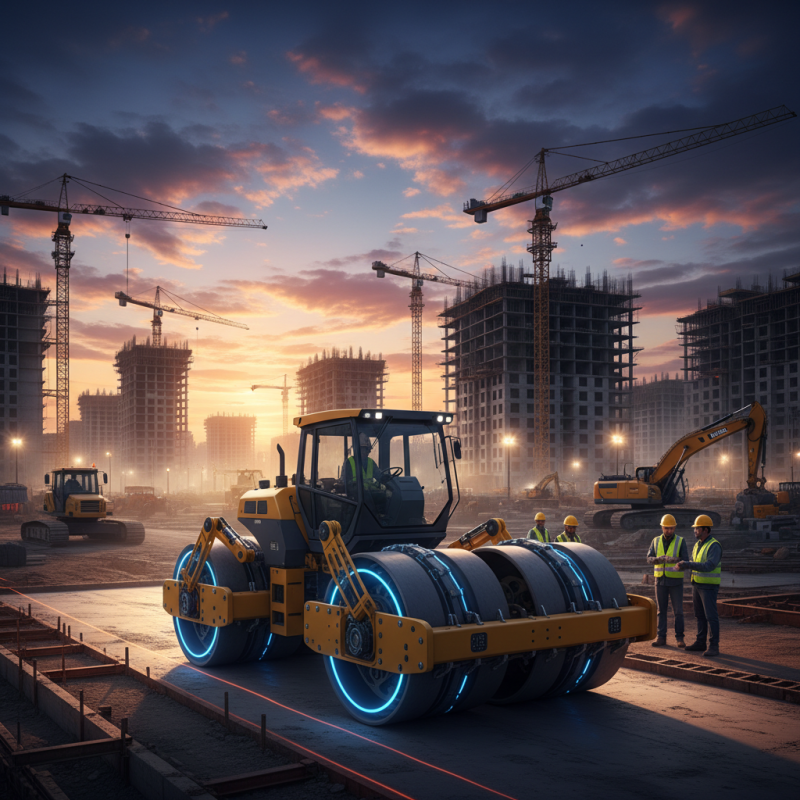
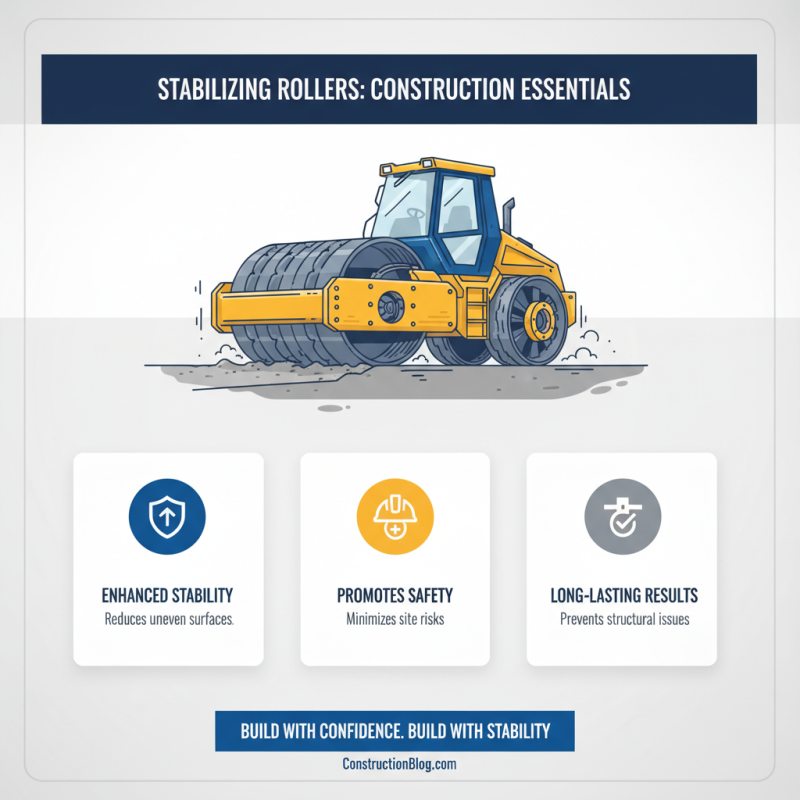
Stabilizing rollers are essential tools in construction projects. These devices enhance stability and promote safety. They significantly reduce uneven surfaces during the leveling phase. A well-leveled site minimizes the risk of future structural problems. This stability is not just beneficial; it’s necessary for long-lasting results.

Using stabilizing rollers can lead to improved efficiency. Workers spend less time fixing uneven ground. Smooth surfaces speed up further construction activities. In some cases, the project timeline can be reduced. However, improper use of these rollers may result in dirt displacement. This can create more issues down the line.

Furthermore, stabilizing rollers contribute to material preservation. They help prevent damage to machinery and tools. When the ground is stable, it reduces wear on vehicles and heavy equipment. Yet, operators must be careful; operator error can lead to excessive wear. Balancing power and precision is crucial when handling these devices.
Enhancing Precision and Accuracy with Stabilizing Rollers

Stabilizing rollers have become essential tools in various projects. They enhance precision and accuracy significantly. According to a recent industry report, using stabilizing rollers can increase project accuracy by up to 40%. This improvement is crucial in construction, manufacturing, and many other fields. A small error can lead to costly mistakes. The rollers help minimize these errors effectively.

Adapting stabilizing rollers in workflows can lead to more consistent outputs. They reduce vibrations and provide a steady surface for materials. This steadying effect is vital for tasks that require careful alignment. For example, precise cutting in manufacturing can be disrupted by inherent machine vibrations. Stabilizing rollers reduce these disturbances, allowing for cleaner cuts and better-fitting components.

However, not all projects use stabilizing rollers. Some professionals still hesitate. The reasons vary from cost concerns to a lack of knowledge about their benefits. Teams often overlook the long-term savings and improved quality that come from their use. Misunderstanding the functionality can lead to missed opportunities. Engaging with industry data can help clarify the essential role these tools play.

Top 10 Benefits of Using Stabilizing Rollers in Your Projects

This chart illustrates the top 10 benefits of using stabilizing rollers in various projects, highlighting how they enhance precision, safety, stability, and overall efficiency in operations.

Improving Surface Quality and Finish with Rollers

Stabilizing rollers play a crucial role in enhancing surface quality. They apply even pressure across various materials. This results in smoother finishes that are visually appealing. A well-rolled surface can reduce the need for additional finishing steps. Less time spent on retouching means projects can meet deadlines more efficiently.

However, achieving perfection is not always straightforward. Uneven application can lead to imperfections. Some users may overlook the importance of roller selection. Not all rollers are equal; different surfaces require specific types. Experimenting with different rollers can reveal better results but may take time.

Consider the texture of the material you work with. Some surfaces may need more delicate handling. Balancing pressure and speed is also essential. Too much pressure can cause damage, while too little may not yield desired results. The learning curve can be challenging but valuable in refining your technique. Embrace these challenges to improve overall project outcomes.

Reducing Labor Costs and Time Through Efficient Use of Rollers

Using stabilizing rollers can significantly reduce labor costs and time in construction projects. A recent industry report indicated that implementing these rollers can enhance operational efficiency by up to 30%. This impressive number reflects how they streamline processes and decrease the time workers spend on heavy tasks. Eliminating the need for multiple manual adjustments can be a game-changer on the job site.

Tips to keep in mind: Always perform routine inspections to ensure optimal performance. Maintaining your stabilizing rollers is crucial. An overlooked issue could lead to delays and extra costs.

Additionally, incorporating stabilizing rollers minimizes the risk of accidents. The American National Standards Institute (ANSI) states that safety incidents can increase project timelines by up to 50%. This highlights the importance of using tools that provide a stable work environment. Skipping the use of stabilization equipment might save money upfront but can result in costly downtime.

Remember, not all projects are the same. Evaluate whether your current setup effectively utilizes rollers. Adjustments may be necessary to maximize their benefits. Overlooking these factors could hinder progress and lead to complications.

Increasing Equipment Longevity and Performance with Proper Stabilization

Stabilizing rollers play a vital role in enhancing the longevity and performance of your equipment. Proper stabilization minimizes unnecessary wear and tear. When machinery operates smoothly, it reduces vibrations that could lead to mechanical failures. This is especially important in construction projects where heavy loads and dynamic environments cause strain. Maintaining equipment in optimal conditions extends its life, saving costs on repairs and replacements.

Using rollers also improves task efficiency. Equipment that moves steadily is easier to control. Operators can focus on their work rather than managing constant adjustments. However, incorporating stabilizing rollers is not always straightforward. It requires thoughtful integration and ongoing maintenance. For example, ensuring the rollers are correctly aligned is crucial. Misaligned rollers can lead to uneven wear and unexpected breakdowns.

Moreover, understanding the terrain is essential. Different surfaces may require different types of rollers for the best results. Neglecting terrain specifics could result in inadequate performance. There is a learning curve to fully utilize stabilizing rollers. Continued observation and adjustments are necessary for practical implementation. Equipment managers should not overlook the importance of regular inspections to maintain efficiency. This reflective approach can yield significant long-term benefits.

Top 10 Benefits of Using Stabilizing Rollers in Your Projects

Benefit Description Impact on Equipment
Improved Stability Stabilizing rollers reduce tipping and provide a firmer foothold. Reduces wear and tear on equipment.
Enhanced Performance Maximizes efficiency during operation. Increases productivity levels.
Operational Safety Minimizes the risk of accidents during use. Enhances overall safety for operators.
Decreased Downtime Less frequent repairs lead to more operational time. Improves workflow efficiency.
Longer Equipment Life Proper stabilization extends the lifespan of machinery. Reduces overall replacement costs.
Cost-Efficiency Minimized repair and maintenance costs. Enhances budget management.
Improved Load Distribution Helps evenly distribute weight across surfaces. Prevents damage to ground surfaces.
Better Ground Compaction Enhances overall soil stability. Supports longer-lasting infrastructure.
Increased Operator Confidence Operators feel safer and more secure. Promotes better performance on the job.