Best Guide Roller Types for 2026 Which One Suits Your Needs?
In the evolving landscape of industrial machinery, choosing the right guide roller is crucial. These components play a vital role in ensuring smooth operations and enhancing overall efficiency. Different types of guide rollers are available, each designed for specific applications and environments. Understanding these options will help you make informed decisions for your business needs.
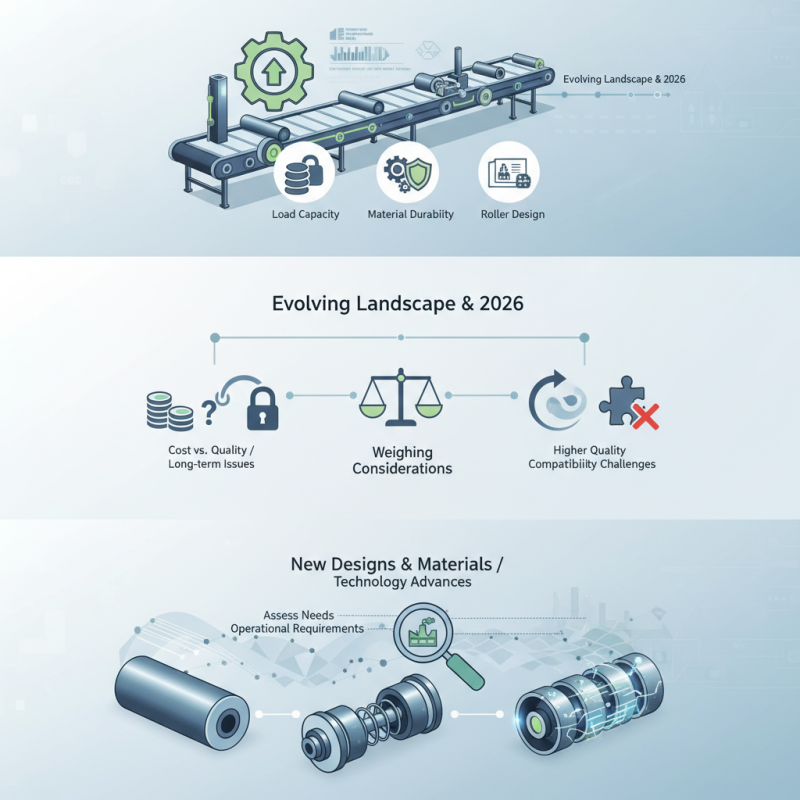
The best guide roller for 2026 may not be the same for every application. Factors like load capacity, material durability, and roller design come into play. Some businesses may prioritize cost over quality, leading to long-term issues. Others might invest in higher-quality rollers but face compatibility challenges. It's essential to weigh these considerations carefully.
As technology advances, new designs and materials emerge. This constant evolution can make it difficult to choose the best guide roller. You might find yourself second-guessing your choices. As you explore the available options, remember that the ideal roller should align with your specific operational requirements. Assess your needs thoughtfully and don't rush the decision-making process.
Overview of Guide Roller Types Available in 2026
When it comes to guide rollers, 2026 offers a diverse range that caters to various applications. The right type of guide roller can significantly impact performance and efficiency. Commonly available types include cylindrical, tapered, and spherical guide rollers. Each type has unique attributes that make it suitable for different uses.
Cylindrical guide rollers are widely favored for their simplicity and effectiveness. They provide smooth motion along straight paths. In contrast, tapered rollers excel in applications requiring load-bearing efficiency. These are perfect for conveyor systems and assembly lines. Spherical guide rollers, meanwhile, offer flexibility, accommodating misalignments and facilitating smoother operation in dynamic environments.
Choosing the right guide roller involves understanding specific requirements and contexts. Reflecting on applications helps in making informed decisions. Factors such as load types, speeds, and operating environments play a crucial role. Ensure that you have clarity on these elements before making a choice. Sometimes, trial and error may be necessary. Regular reviews and adjustments can help refine your selection process, enhancing overall functionality.
Best Guide Roller Types for 2026 Which One Suits Your Needs?
| Roller Type |
Material |
Load Capacity (kg) |
Temperature Range (°C) |
Typical Applications |
| Polyurethane Guide Roller |
Polyurethane |
1000 |
-30 to 80 |
Conveyors, Packaging |
| Steel Guide Roller |
Steel |
1500 |
-20 to 150 |
Heavy Machinery, Construction |
| Nylon Guide Roller |
Nylon |
500 |
-40 to 90 |
Textile, Food Processing |
| Aluminum Guide Roller |
Aluminum |
800 |
-50 to 100 |
Electronics, Robotics |
| Rubber Guide Roller |
Rubber |
600 |
-10 to 70 |
Automotive, Aerospace |
Key Factors to Consider When Selecting Guide Rollers
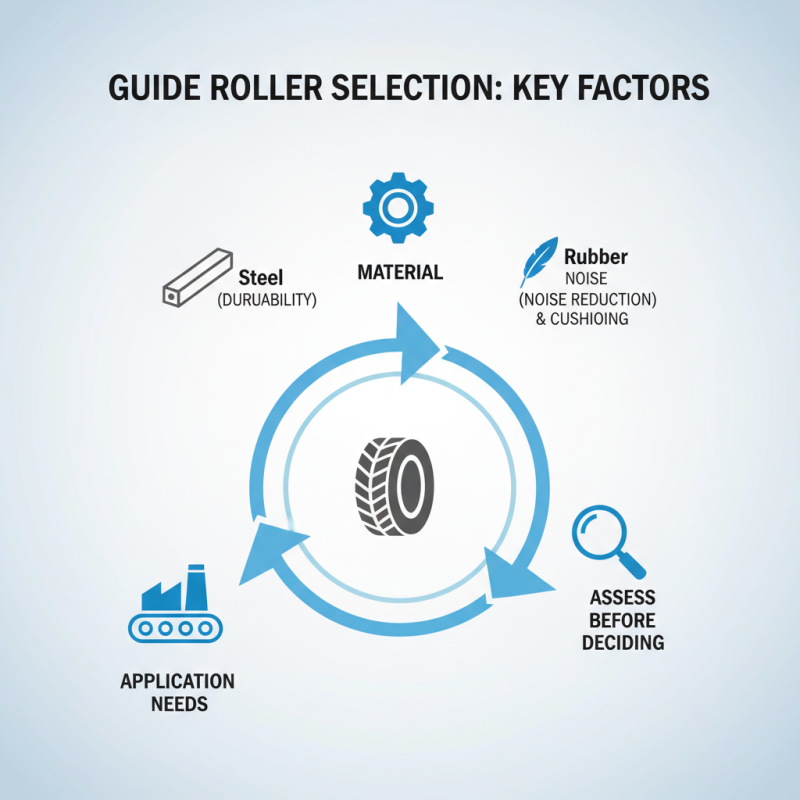
When selecting guide rollers, several factors come into play. Material is crucial. Common options include steel, nylon, and rubber. Each material has distinct advantages. Steel offers durability, while nylon is lightweight. Rubber provides noise reduction and cushioning. Assess your specific application needs before deciding.
Another important aspect is the roller size. Dimensions can significantly impact performance. Larger rollers may handle heavier loads but can be less agile. Smaller rollers offer flexibility but may not support heavy applications. It's essential to find a balance based on your system's requirements.
Tips: Always consider the environment where the rollers will be used. Temperature and exposure to chemicals matter. Perform regular maintenance checks to ensure optimal performance. If you notice unusual wear, it might indicate a mismatch between the roller and its application. Being proactive can save costs in the long run. Evaluate all these factors to make an informed choice.
Comparison of Material and Design Options for Guide Rollers
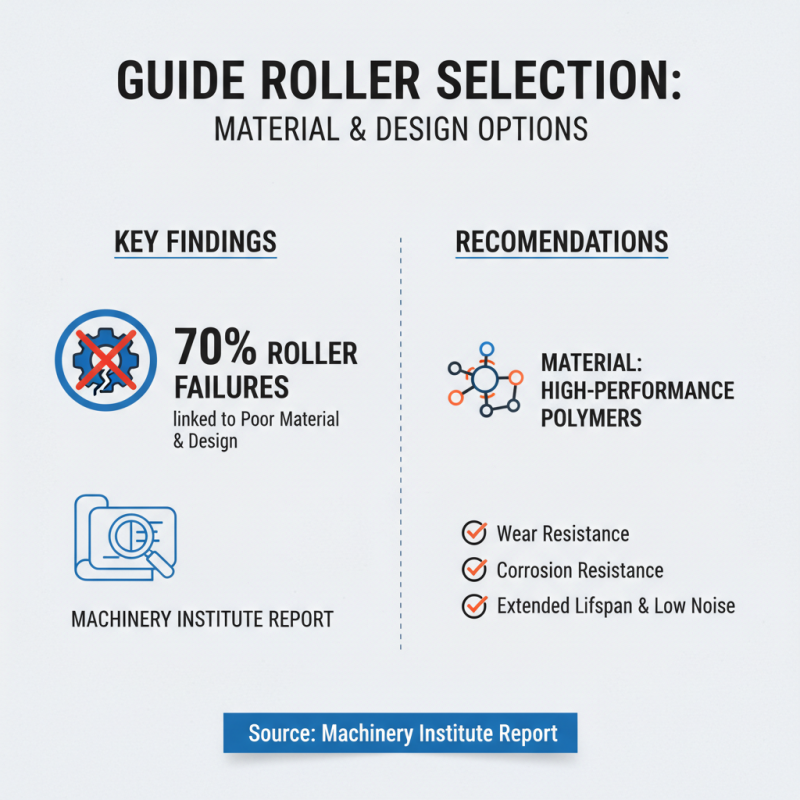
When selecting guide rollers for your operations, material and design play crucial roles. A recent report by the Machinery Institute shows that over 70% of roller failures are linked to poor material selection and design flaws. Consider using high-performance polymers for applications requiring resistance to wear and corrosion. These materials can significantly extend a roller's lifespan while maintaining low noise levels.
Steel rollers are often chosen for their durability and strength, but they may not always be the best option. In harsh environments, where moisture or chemicals are prevalent, advanced composites can outperform traditional metals. According to a study published in the Journal of Mechanical Engineering, composite guide rollers showed a 30% increase in service life over their metal counterparts under similar conditions.
The design of a guide roller needs attention too. A well-designed conveying system can enhance efficiency by reducing friction. A rounded edge design, for example, minimizes contact stress and extends the equipment's operational life. However, many systems still use outdated designs. This oversight can lead to increased maintenance costs and downtime. Keeping up with evolving design methodologies can make a difference. Reflection on current practices is essential for improvement.
Application-Specific Guide Roller Recommendations
Choosing the right guide roller is crucial for specific applications. In sectors like manufacturing, logistics, and transportation, each type of roller serves distinct purposes and performance standards. According to a recent industry report, guide rollers can impact operational efficiency by as much as 30%. Selecting the correct one can enhance machinery performance significantly.
For conveyor systems, polyurethane rollers are often preferred due to their durability and low noise levels. They resist wear and provide a smooth operation. A study from the Conveyor Equipment Manufacturers Association indicated that using an appropriate guide roller can reduce downtime by about 20%. Yet, many companies still overlook this vital component, leading to missed efficiency opportunities.
In high-heat environments, steel guide rollers may be more suitable. They withstand elevated temperatures gracefully, up to 300°C. Still, selecting a steel roller might not always guarantee the best performance. Companies must consider factors like load capacity and wear resistance. Understanding the specifics of application needs should guide these decisions. Without adequate analysis, the consequences might include increased maintenance costs and unscheduled repairs.
Best Guide Roller Types for 2026
This chart illustrates the application suitability ratings of various guide roller types for 2026 based on specific use cases. Polyurethane rollers are rated the highest due to their versatility and durability, making them suitable for a variety of applications.
Future Trends in Guide Roller Technology and Innovation
Guide rollers are evolving with new technologies. Manufacturers are focusing on lighter materials and better precision. This shift will improve efficiency across various applications. Advanced composite materials are gaining popularity. They offer durability without the extra weight, enhancing performance.
In the coming years, automation in guide roller production is expected to rise. Smart technology is gradually being integrated into these components. Sensors embedded in rollers will provide real-time data. This trend will allow for predictive maintenance and reduced downtime.
**Tips:** Look for rollers with enhanced load capacities. Evaluate your application needs carefully. Not all innovations will suit every scenario. Stay updated on industry developments. Engaging with industry forums can provide valuable insights.