Top 5 Best Refractory Materials for Extreme Temperature Applications?
In the world of high-temperature applications, choosing the right refractory material is crucial. These materials endure extreme heat, protecting structures and enhancing efficiency. Industries such as metal processing and ceramics depend on reliable refractory materials for their processes. They face intense conditions and must perform consistently.
The variety of refractory materials can be overwhelming. Some excel under specific circumstances while others may falter. It’s vital to analyze their properties carefully. Different applications require different types. For instance, some materials resist corrosion, while others focus on thermal stability.
Reflecting on these choices fosters better understanding. Decisions should not rely solely on data sheets. Real-world testing reveals performance nuances. How well does a refractory material hold up under pressure? These questions drive innovation. In our exploration of the top five refractory materials, we delve into their strengths and weaknesses in extreme environments.
Definition and Importance of Refractory Materials in High-Temperature Applications
Refractory materials are crucial in high-temperature applications. These materials can withstand extreme heat without deforming. They are used in industries like metal production and ceramics. Their ability to resist heat makes them essential for furnaces and kilns.
Choosing the right refractory material is not straightforward. Various factors influence performance. For instance, thermal stability is vital, yet some materials can crack under extreme stress. Testing is often necessary to ensure reliability. Additionally, the environment impacts the material's longevity. Chemical interactions can lead to unexpected failures.
In many cases, improvements are still needed. While some materials perform well, their cost-effectiveness can be an issue. Research continues to find better solutions. Understanding the limitations helps engineers design safer systems. Every decision impacts efficiency and safety in high-temperature environments.
Key Properties That Define Quality Refractory Materials
When choosing refractory materials, specific properties take center stage. These materials must withstand extreme temperatures without cracking or melting. High thermal stability is essential. It ensures the material can endure heat cycles without degradation. Additionally, thermal conductivity plays a crucial role. A good refractory should have low thermal conductivity to retain heat efficiently.
The density of the material matters too. Higher density often means better strength and durability. Porosity is another critical factor. Too much porosity can lead to thermal shock and failure. It’s a delicate balance. Those working with refractory materials often struggle with these attributes, facing challenges to find the right mix of properties.
Moreover, chemical resistance cannot be overlooked. Refractory materials encounter various corrosive environments. They must resist these damaging effects. Flaws in selection can lead to significant failures. Evaluating these properties carefully is essential for longevity in high-temperature applications. Each characteristic should align with expected operational conditions to ensure reliability.
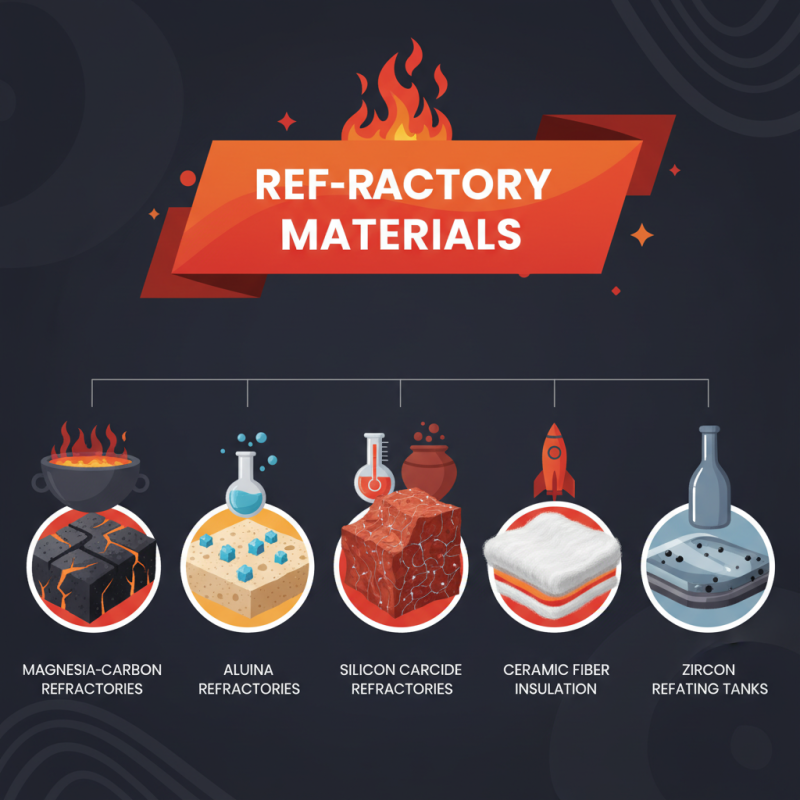
Overview of the Top 5 Refractory Materials for Extreme Temperature Use
Refractory materials play a crucial role in industries requiring extreme temperature resistance. These materials withstand high heat and provide stability. According to the latest industry reports, the global refractory market is projected to grow at a CAGR of 4.5%, driven by demand from sectors like steelmaking and aerospace.
Silica refractories are popular for their durability. They can withstand temperatures exceeding 1700°C. These make them ideal for kilns and furnaces. However, their thermal shock resistance can be a concern in fluctuating temperatures.
Alumina is another top refractory material. With a melting point around 2050°C, it is perfect for extreme conditions. It offers good corrosion resistance, particularly against basic slags. Yet, its cost can be a limiting factor for some applications. Emerging alternatives show promise, but they may not yet match the performance of established materials.
The choice of refractory materials requires careful consideration. Each application has its unique demands. Understanding the pros and cons of each option is essential, as the industry continues to evolve and innovate.
Comparative Analysis of Performance in Various Extreme Temperature Scenarios
When evaluating refractory materials for extreme temperatures, several factors are crucial.
Thermal stability is essential.
Some materials can weaken or deform under intense heat.
Others, however, can maintain their integrity, performing remarkably well in high-stress environments.
This stability plays a vital role in industries like aerospace and metallurgy, where even minor failures can lead to significant issues.
Another critical aspect is thermal conductivity.
Certain refractory materials are designed to minimize heat transfer. This characteristic is beneficial in furnace linings, as it helps maintain efficiency.
However, some materials might lag in performance during sudden temperature changes.
The ability to withstand thermal shock is a vital consideration that often gets overlooked.
It highlights the need for continuous testing and improvement in material selection.
Additionally, erosion resistance should not be taken lightly.
In many scenarios, materials face not just heat but also corrosive elements.
Some refractories can endure intense environments, while others crumble under consistent chemical exposure.
This complicates the selection process.
Understanding the specific application scenarios will ensure the most suitable choice is made.
Balancing these factors requires careful consideration and ongoing reflection on material performance in real-world applications.
Applications and Industries That Benefit from Advanced Refractory Materials
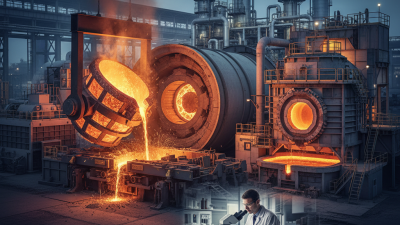
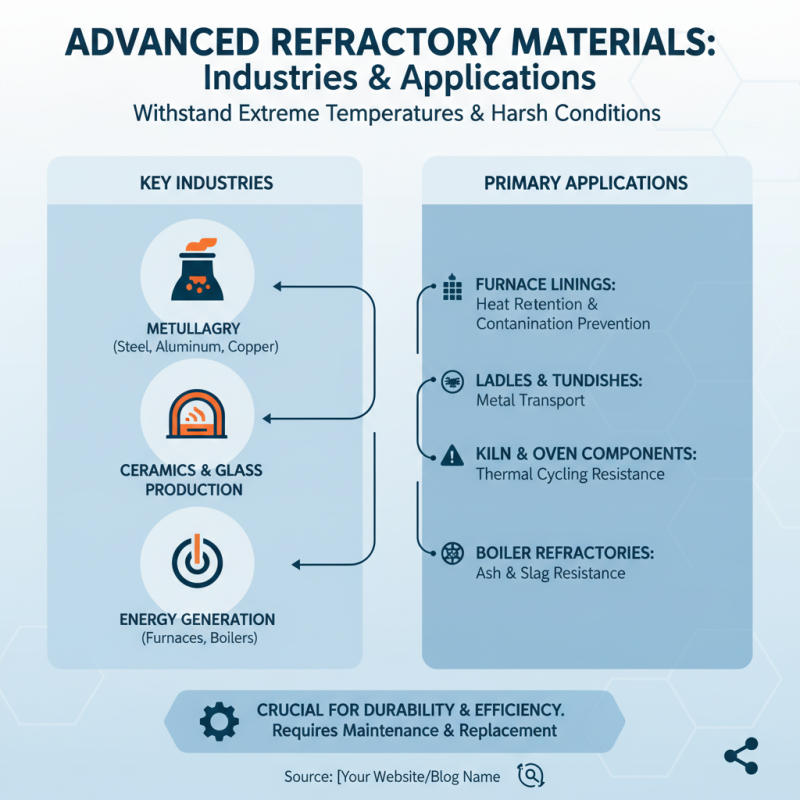
Advanced refractory materials play a crucial role in various industries. These materials withstand extreme temperatures, making them essential for sectors like metallurgy and ceramics. In steel production, for instance, refractories line furnaces, ensuring effective heat retention and preventing contamination. They often face harsh conditions, which can lead to wear over time. Maintenance and replacement are crucial, highlighting the need for durable options.
In the glass industry, refractories also shine. They support the intense heat required during glass melting processes. However, not all refractories perform equally under real-world conditions. Some may exhibit issues like thermal shock resistance failures. Regular assessments are necessary to ensure optimal performance. Additionally, the ceramics industry relies on these materials for kilns that reach extreme temperatures. Poor selection can lead to costly downtime, underscoring the importance of choosing the right refractory materials wisely.