What is Carbon Steel Castings and Their Applications?
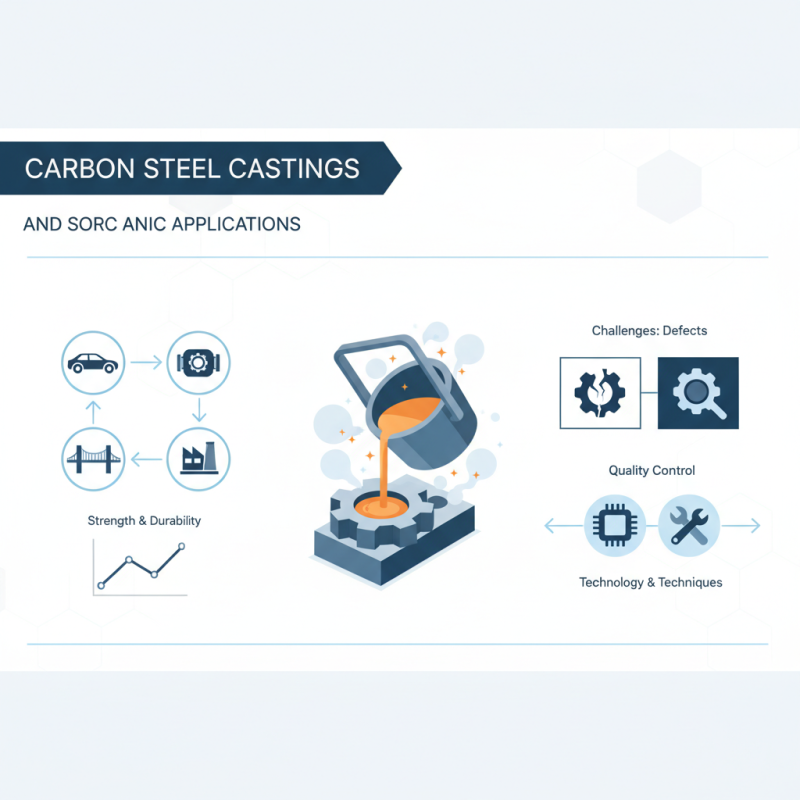
Carbon Steel Castings are a vital part of modern manufacturing. They offer a combination of strength, durability, and versatility. These castings are created by pouring molten carbon steel into molds, allowing for complex shapes and designs.
In various industries, Carbon Steel Castings find numerous applications. They are commonly used in automotive components, industrial machinery, and construction. Their resistance to wear and high tensile strength make them ideal for heavy-duty applications. However, the production process also presents challenges. There can be issues with defects and inconsistencies in the final product.
Understanding the intricacies of Carbon Steel Castings is essential for manufacturers. Experts must focus on quality control and material selection. This ensures the castings perform as expected in their intended environments. Despite advancements, challenges remain. Continuous improvements in techniques and technology are needed for optimal results.
What is Carbon Steel Casting? An Overview of Its Definition
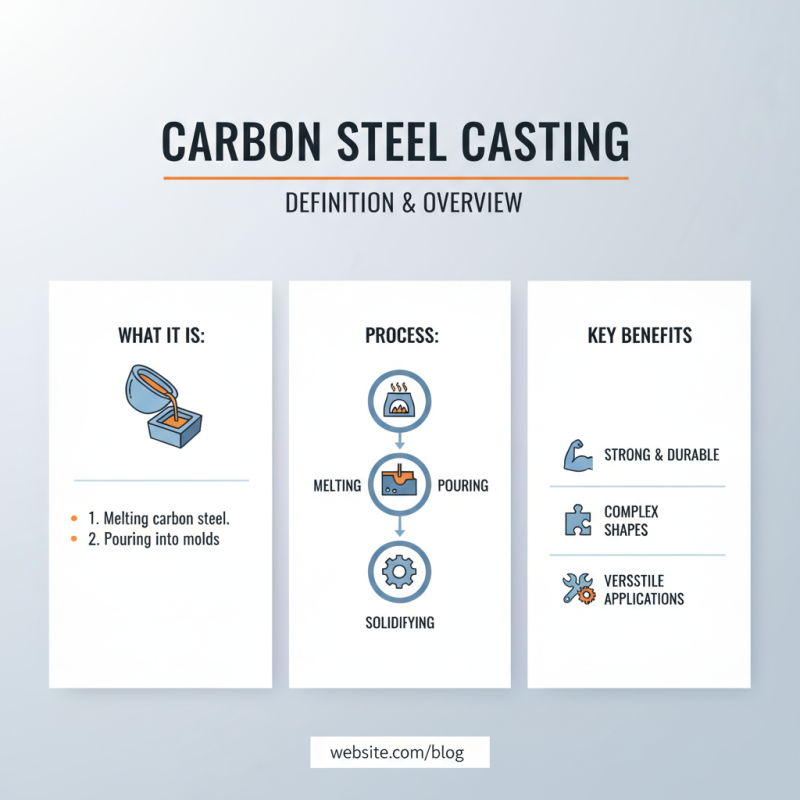
Carbon steel casting is a crucial manufacturing process. It involves melting carbon steel and pouring it into molds to form specific shapes. This process allows for the creation of complex geometries that are often difficult to achieve with other manufacturing methods. The resulting products are strong, durable, and suitable for a variety of applications.
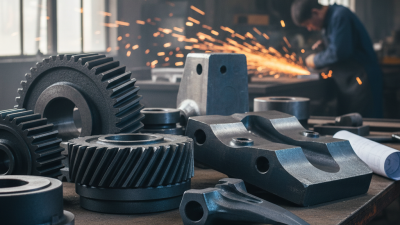
In industries like automotive and construction, carbon steel castings play a vital role. They are used for making engine components, gears, and structural parts. These castings can withstand high stress and endure harsh environments. However, not all carbon steel castings are perfect. Variations in material properties may occur due to inconsistencies in the casting process. This can affect performance and longevity in real-world applications.
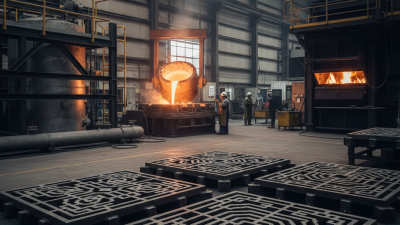
Quality control is essential. Manufacturers must closely monitor the melting and cooling processes. It's important to assess the microstructure of the castings. By doing so, they can identify any potential issues. Overall, while carbon steel castings have numerous benefits, continuous improvement in the process is necessary to address challenges and ensure reliability.
Key Properties of Carbon Steel Castings: Strength and Durability
Carbon steel castings are known for their impressive strength and durability. These properties make them essential in various industries. Applications include automotive parts, machinery components, and infrastructure projects. The robustness of carbon steel allows it to withstand heavy loads and resist wear over time.
One key aspect of carbon steel castings is their ability to endure harsh conditions. Whether exposed to extreme temperatures or corrosive environments, these castings perform reliably. However, maintaining their integrity requires consideration. Regular inspections and potential surface treatments can prevent issues from arising.
Tip: Be mindful of the casting process. A well-controlled environment leads to higher quality and consistency. Additionally, consider the intended use of the casting when selecting the carbon content. While higher carbon levels enhance hardness, they may reduce ductility. Balancing these factors is crucial for optimal performance in specific applications.
Key Properties of Carbon Steel Castings
This chart illustrates the key properties of carbon steel castings including tensile strength, yield strength, elongation, and hardness. These metrics highlight the strength and durability of carbon steel, making it suitable for various applications in manufacturing and construction.
Common Applications of Carbon Steel Castings in Various Industries
Carbon steel castings are integral parts in many industries, thanks to their strength and versatility. They are commonly used in automotive components, machinery, and industrial equipment. For instance, in the automotive sector, carbon steel castings are crafted into crucial parts like engine blocks and gear housings. These components endure high stress and temperature, making the durability of carbon steel essential.
In construction, carbon steel castings find usage in structural supports and fittings. Their ability to withstand heavy loads is vital in this field. However, some challenges arise. Corrosion can be an issue, especially in moist environments, requiring protective coatings. In manufacturing, these castings are used in creating pumps and valves, which are important for fluid and gas handling systems.
Despite their advantages, it is crucial to monitor the casting process. Inconsistencies can lead to weak points in products. Regular inspection and quality control are necessary. Balancing cost and quality remains a persistent challenge in sourcing these materials. Through constant evaluation, industries can maximize the benefits of carbon steel castings while minimizing risks.
Benefits of Using Carbon Steel Castings in Manufacturing Processes
Carbon steel castings play a crucial role in various manufacturing processes. Their unique properties make them suitable for diverse applications, from automotive components to heavy machinery parts. The strength and durability of carbon steel ensure long-lasting performance, which is vital in industries requiring heavy-duty usage.
One major benefit of using carbon steel castings is their excellent machinability. This characteristic allows for more precise shapes and easier adjustments during production. The cost-effectiveness of carbon steel castings also stands out. They are generally less expensive to produce than other materials, reducing overall project expenses. However, it’s essential to consider that carbon steel might be more prone to corrosion without proper treatment. This could lead to a need for additional maintenance in certain environments.
Another advantage of carbon steel castings is their adaptability. They can be molded into intricate designs, making them useful for complex projects. This flexibility opens doors for innovation in design and function. Yet, the challenge lies in choosing the right carbon content for a specific application. Too little carbon may weaken the casting, while too much can cause brittleness. Manufacturers must find the right balance to ensure optimal performance.
Market Trends and Future Projections for Carbon Steel Castings Industry
The carbon steel castings industry is experiencing notable market trends that reflect its growing importance. Applications in automotive, construction, and machinery manufacturing drive demand. Manufacturers are focusing on producing more versatile and durable castings. This shift stems from the need for light-weight yet strong materials.
Emerging technologies play a key role in shaping the future. Innovations in casting methods enhance production efficiency and quality. Advanced simulation software allows for better design and material selection. However, challenges remain. Some manufacturers struggle to keep up with rapid advances. Others face difficulties in sourcing sustainable materials.
The market outlook appears positive. Analysts project steady growth in demand for carbon steel castings. Industry players must remain adaptable. Customer preferences will influence future developments significantly. Collaborative efforts between manufacturers and research institutions can foster innovation. With careful planning, the carbon steel castings industry can thrive.
What is Carbon Steel Castings and Their Applications? - Market Trends and Future Projections for Carbon Steel Castings Industry
| Dimension |
Value |
| Market Size (2023) |
$48 Billion |
| Projected CAGR (2023-2030) |
4.5% |
| Primary Application Industries |
Automotive, Construction, Heavy Machinery |
| Key Benefits of Carbon Steel Castings |
High Durability, Cost-Effectiveness, Versatile |
| Regional Demand (North America) |
29% of Market Share |
| Future Major Trends |
Sustainability, Advanced Manufacturing Technologies |