China Best Stainless Steel Castings for Global Buyers?
In the realm of manufacturing, the demand for high-quality Stainless Steel Castings has seen significant growth. Global buyers increasingly turn to China, known for its vast production capabilities. This trend highlights the importance of understanding both quality and the sourcing process. Renowned industry expert John Smith states, "China's stainless steel casting industry is evolving rapidly, combining tradition with modern technology."
Chinese manufacturers are leveraging advanced techniques in creating durable and precise stainless steel products. This evolution often attracts global buyers seeking reliable partnership opportunities. Nonetheless, challenges exist. Some international buyers question quality control and consistency. They might feel uncertain, leading to hesitations in making purchases.
As the market for Stainless Steel Castings expands, transparency becomes crucial. Manufacturers must demonstrate their expertise. They need to build trust to overcome the hesitations among buyers. Addressing these concerns will pave the way for stronger international collaborations. The potential for innovation and growth in this sector is immense but must be approached with careful consideration and reflection.
China's Stainless Steel Casting Industry Overview and Global Influence
China has established itself as a powerhouse in the stainless steel casting industry. In 2022, the country produced over 20 million tons of stainless steel, accounting for approximately 56% of the global output. This remarkable growth showcases China's ability to meet the rising demand from various industries, including automotive, aerospace, and energy. Technical advancements and economies of scale have allowed Chinese manufacturers to reduce production costs while maintaining quality standards.
Moreover, China's stainless steel castings contribute significantly to global supply chains. Reports indicate that nearly 30% of stainless steel castings are exported, reflecting China's increasing influence on the global market. However, challenges remain, such as overcapacity and environmental concerns. The industry has faced scrutiny regarding sustainable practices and resource management. As China continues to innovate, addressing these issues will be crucial for maintaining its competitive edge and reputation in the international arena.
Key Properties and Applications of Stainless Steel Castings in Various Industries
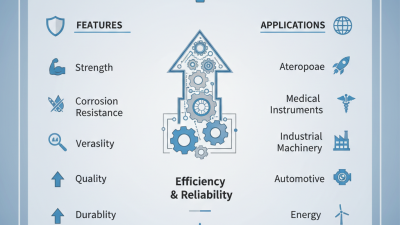
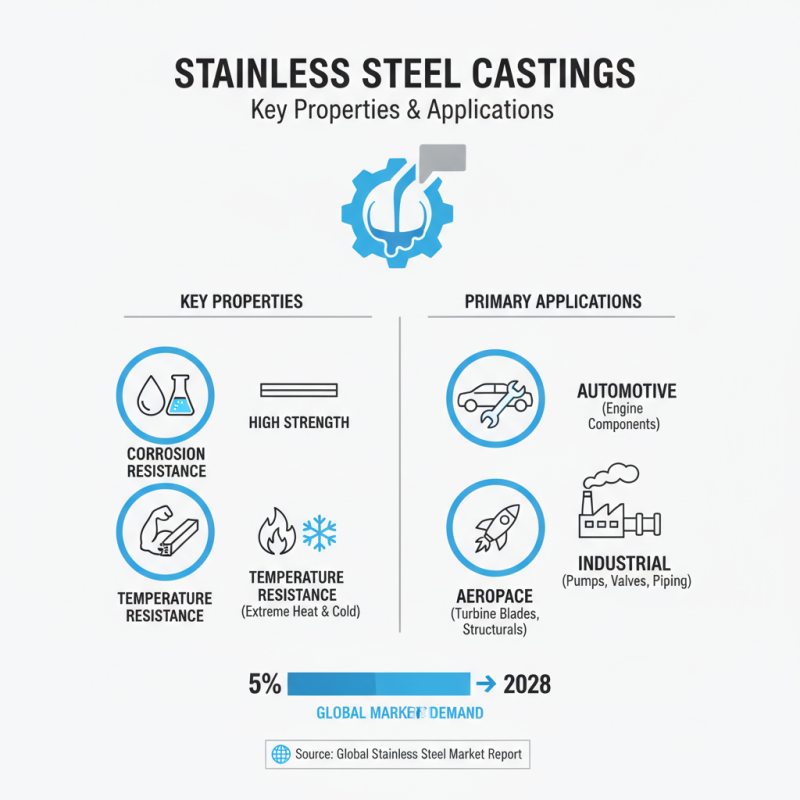
Stainless steel castings are crucial in various industries, ranging from automotive to aerospace. These castings exhibit excellent corrosion resistance, high strength, and the ability to withstand extreme temperatures. A report from the Global Stainless Steel Market indicates that the demand for stainless steel castings is expected to grow by 5% annually until 2028. This rise highlights their importance across sectors.
In the automotive industry, stainless steel castings are popular in parts like exhaust systems and fuel injectors. Their durability improves vehicle performance and extends the lifespan of components. In the aerospace sector, these castings are vital for critical applications, such as turbine components and structural frames. However, precision in casting is crucial. Even small imperfections can lead to significant structural failures.
Additionally, the marine industry benefits from stainless steel's resistance to seawater. Ship components, like propellers, require materials that resist corrosion. Despite these advantages, the cost of high-quality stainless steel castings remains a challenge. Manufacturers must balance quality and cost to meet market demands. Regular assessments and innovations are necessary to enhance the casting process.
Global Demand Trends for Stainless Steel Castings: A Market Analysis
The global demand for stainless steel castings has been steadily increasing. Industries such as automotive, aerospace, and energy drive this growth. Manufacturers are focusing on innovation and quality to meet the needs of various sectors. Stainless steel is preferred for its durability and corrosion resistance. This trend indicates that companies must adapt quickly to market changes.
In China, production capabilities are evolving. Suppliers are enhancing their technological processes to improve casting quality. However, challenges remain. Some companies struggle with maintaining consistency in product quality. This inconsistency can lead to customer dissatisfaction. Buyers are becoming more discerning, seeking reliable suppliers who can meet their stringent requirements. They demand transparency and trustworthiness in their sourcing.
Keeping up with trends is essential for success. The rise in eco-friendly materials also influences purchasing decisions. Buyers are now looking for sustainable solutions. As the market becomes more competitive, manufacturers need to reflect on their practices. They must ensure that they can deliver high-quality stainless steel castings while addressing these evolving demands.
Leading Chinese Manufacturers of Stainless Steel Castings and Their Innovations
Stainless steel castings play a crucial role in various industries, including aerospace, automotive, and medical. In recent years, Chinese manufacturers have emerged as key players in this market. Advanced technologies and innovative practices are at the core of their production strategies. According to a recent industry report, China's share in the global stainless steel casting market has reached approximately 40%.
Several leading manufacturers are adopting innovative techniques to enhance their products. For instance, some companies are investing in additive manufacturing and precision casting. These methods improve product quality and reduce waste. A significant study indicated that precision casting can minimize material costs by up to 20%.
Despite these advancements, challenges remain. Quality control and consistency are areas that require more attention. Some manufacturers struggle with variations in casting processes, leading to inconsistent product outcomes. Maintaining standards while scaling operations continues to be a critical issue for many. Enhancing training and integrating better quality management systems could address these concerns effectively.
China Best Stainless Steel Castings for Global Buyers
| Manufacturer Location |
Annual Production Capacity (tons) |
Certification |
Innovations |
Export Markets |
| Dongguan |
5000 |
ISO 9001, TS 16949 |
3D Printing, Advanced Robotics |
North America, Europe |
| Shenzhen |
8000 |
ISO 14001, OHSAS 18001 |
Eco-friendly Materials, Smart Manufacturing |
Asia, Australia |
| Zhejiang |
6000 |
API, ASME |
CNC Machining, Automated Quality Control |
Middle East, South America |
| Wuxi |
7500 |
CE, RoHS |
Simulation Software, Lean Manufacturing |
Africa, Eastern Europe |
Quality Standards and Certifications for Stainless Steel Castings in China
China has become a leading provider of stainless steel castings globally. Their quality standards and certifications play a crucial role in this. Adhering to international standards ensures the reliability of these castings. Certifications such as ISO 9001 indicate a commitment to quality management systems. However, not all manufacturers achieve these certifications, leading to inconsistencies in product quality.
When sourcing stainless steel castings, look for specifics. Assess whether the manufacturer has been certified by reputable organizations. Request documentation to verify these claims. This can prevent using subpar materials that may compromise your projects.
Tips: Always ask for samples before placing large orders. This can save time and costs in the long run. Ensure each piece meets your specifications. It’s also wise to stay updated on industry standards, as they evolve frequently. Understanding these nuances will enhance your decision-making process and help establish reliable partnerships.