Why Choose Abrasion Resistant Steel for Your Industrial Needs?
Industry demands durable materials. Abrasion Resistant Steel stands out for its exceptional wear resistance. Many sectors, including mining and construction, rely on it. According to the American Iron and Steel Institute, approximately 30% of steel used in heavy-duty applications is designed for abrasion resistance.
This robust steel minimizes downtime and maintenance costs. It protects equipment from wear and tear, ultimately extending its lifespan. The ongoing challenge is balancing cost and material properties. While Abrasion Resistant Steel is more expensive than standard steel, its long-term benefits often justify the investment.
Research shows that projects utilizing Abrasion Resistant Steel can see a 20% increase in efficiency. This is because fewer replacement materials are needed. Additionally, companies reduce operational downtime. The choice may seem clear, yet some still hesitate. It is crucial to evaluate needs thoroughly before making a final decision.
What is Abrasion Resistant Steel and Its Key Properties?
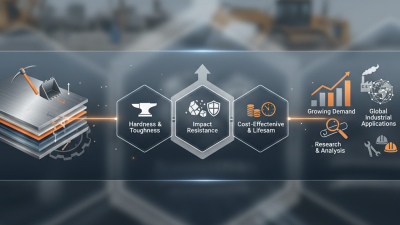
Abrasion Resistant Steel (AR Steel) is designed to withstand wear and tear in industrial environments. This type of steel features a high hardness level, typically between 450 and 700 BHN (Brinell Hardness Number). Its unique properties make it ideal for applications such as mining, construction, and heavy machinery. A recent study shows that using AR Steel can reduce wear-related downtime by 40%, significantly enhancing productivity.
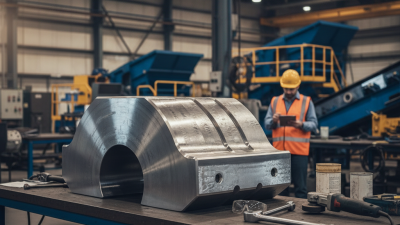
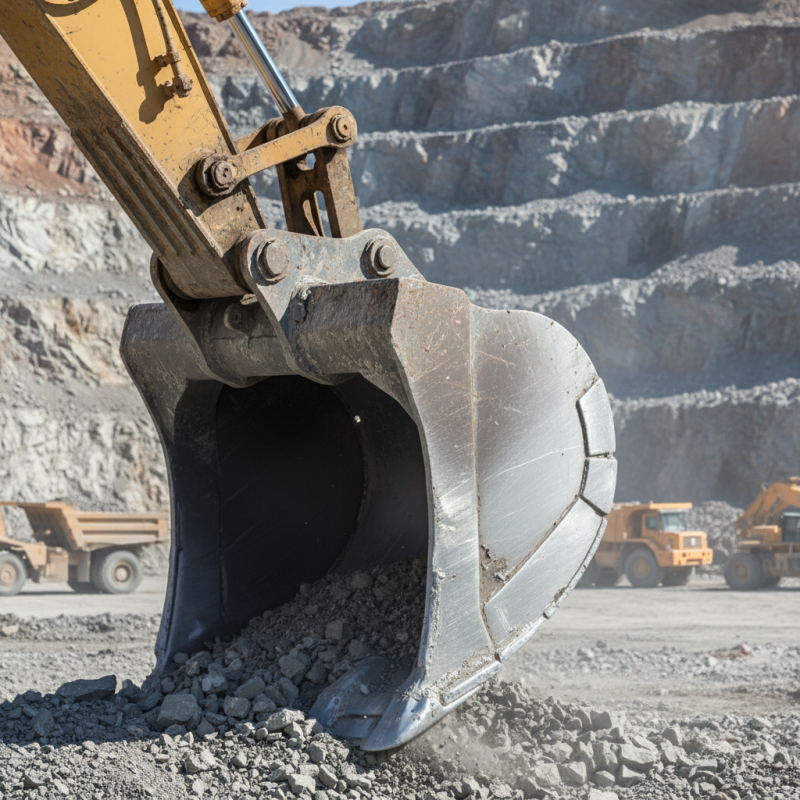
Key properties of AR Steel include toughness and impact resistance. These alloys maintain structural integrity under high stress. Engineers often recommend AR Steel for buckets, wear plates, and chutes. The tough surface prevents material loss and ensures longevity. Additionally, its lightweight nature compared to traditional steel offers easier handling. Reports indicate that switching to AR Steel can extend the life of equipment by 30%.
However, selecting the right grade requires careful consideration. Different applications demand varying levels of hardness and toughness. Not all AR Steel grades perform the same under every condition. Industries must analyze their specific needs before deciding. Understanding these nuances can lead to better results in operational efficiency and cost savings. It's essential to weigh these factors for optimal performance.
Why Choose Abrasion Resistant Steel for Your Industrial Needs?
| Property |
Description |
Benefits |
Applications |
| Hardness |
Typically between 450 to 600 BHN |
High wear resistance |
Mining, construction |
| Impact Toughness |
High toughness to withstand shocks |
Durability under stress |
Agricultural equipment, rail components |
| Weldability |
Can be welded with proper techniques |
Flexibility in design |
Fabrication of custom parts |
| Thickness |
Available in various thicknesses |
Customization options |
Heavy machinery, conveyor systems |
| Corrosion Resistance |
May require additional coatings |
Extended life in harsh environments |
Scrap processing, waste management |
Benefits of Using Abrasion Resistant Steel in Industrial Applications
Abrasion resistant steel is essential in many industrial applications. These materials are designed to withstand heavy wear and tear. They significantly reduce replacement costs. According to a report by the American Iron and Steel Institute, industries that utilize abrasion resistant steel report a 30% increase in equipment longevity. This impact leads to significant savings over time.
In mining and construction, the benefits are pronounced. Equipment such as buckets, blades, and chutes made from this steel resist damage, prolonging their service life. Studies have shown that using abrasion resistant steel can lower maintenance downtime by nearly 25%. This translates to higher productivity. However, not all applications may need this high level of resistance. Cost versus benefit analysis is crucial.
While the advantages are clear, caution is also necessary. Some companies invest heavily in abrasion resistant solutions, only to find they over-specified their needs. The right balance is vital for maximizing the advantages and minimizing costs. Selecting the appropriate grade or type of steel requires professional insight. Consulting with experts can help refine choices based on specific conditions and use cases.
Comparison of Abrasion Resistant Steel with Other Steel Types
When comparing abrasion resistant steel with other steel types, several factors come into play. Abrasion resistant steel is designed specifically to withstand wear and tear. It contains higher levels of carbon and chromium, enhancing its toughness and resilience. This makes it ideal for applications in heavy machinery and construction.
In contrast, standard carbon steel tends to wear down more quickly in abrasive conditions. It lacks the specialized treatments that give abrasion resistant steel its durability. Stainless steel, while resistant to corrosion, does not perform as well under abrasive conditions. Its properties make it better suited for environments where rust is a concern, rather than wear.
Choosing the right material is crucial. Mistakes can lead to premature failures, costly repairs, and safety risks. Understanding the specific needs of your application is essential in making an informed decision. The balance between durability and cost-efficiency requires careful evaluation. Every project has unique challenges that demand thoughtful consideration.
Common Industries that Utilize Abrasion Resistant Steel
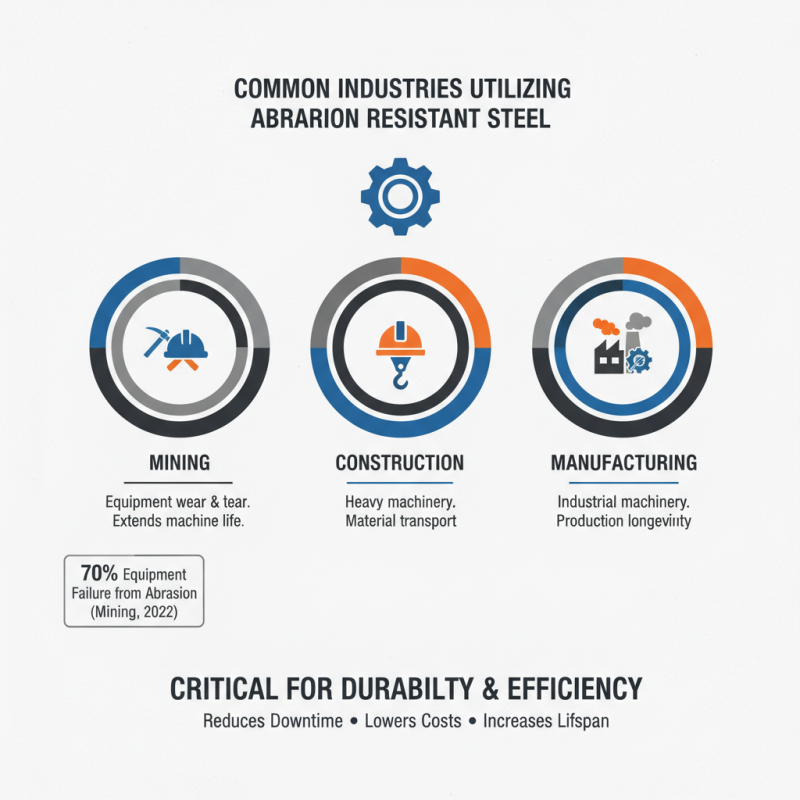
Abrasion resistant steel is a critical material in various industries. Mining, construction, and manufacturing frequently use this type of steel. In mining, for example, equipment operates in environments with significant wear and tear. According to the Mining Industry Data Report 2022, around 70% of equipment failure is due to abrasion and wear. Using abrasion resistant steel can extend the life of these machines.
In the construction sector, this steel is vital for heavy machinery. It helps in protecting against harsh conditions and contributing to overall safety. The American Institute of Steel Construction highlights that using such materials can reduce maintenance costs by about 30%. This is essential for projects where budget and time efficiency are critical.
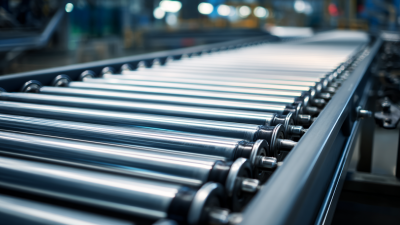
Manufacturing is another area where abrasion resistant steel shines. Specially designed steels can withstand high levels of stress, making them ideal for conveyor belts and heavy-duty loaders. A detailed study from the Association of Manufacturing Engineers indicated that equipment made with abrasion resistant steel has a 40% longer lifespan. This durability translates to fewer replacements and lower operational costs. Hence, while there may be initial hesitations regarding the investment, the long-term benefits can outweigh these concerns.
Maintenance and Longevity of Abrasion Resistant Steel Products
Abrasion resistant steel is crucial for industries looking to maximize durability. These products endure harsh conditions, making them a reliable choice. However, their longevity does rely on proper maintenance. Regular inspections and upkeep help identify wear before it becomes critical. Ensuring that equipment remains in peak condition can extend its life significantly.
The composition of abrasion resistant steel plays a role in how it ages. Some may resist scratches and dents better than others. Operators should understand these variations when selecting materials. Proper application techniques also matter. Misalignment during installation can lead to premature failure, raising costs and downtime.
Even with the best materials, challenges arise. Conditions can vary, leading to unexpected wear. A culture of continuous improvement can mitigate such risks. Teams should be encouraged to learn from experiences. Each setback provides an opportunity to refine processes and improve product usage.