Why Choose Ductile Iron Castings for Your Next Project?
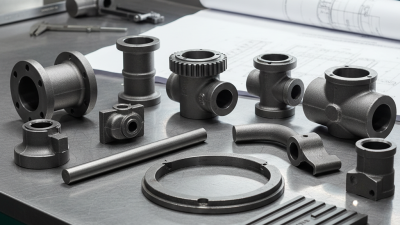
When it comes to selecting materials for engineering projects, the choice can significantly impact performance and durability. One standout option is Ductile Iron Castings. Known for their exceptional strength and reliability, these castings offer various benefits for diverse applications. The unique properties of Ductile Iron, such as its high tensile strength and resistance to wear, make it an attractive material in manufacturing.
Ductile Iron Castings excel in industries ranging from automotive to construction. Their versatility allows for complex shapes and designs, meeting intricate project requirements. This material is often chosen for its ability to withstand harsh environments. However, it's important to be mindful of the specific needs of your project. Not all applications benefit equally from Ductile Iron. Understanding your requirements is crucial for optimal results.
Incorporating Ductile Iron in your next project can be a game-changer. Yet, careful evaluation of alternatives should not be overlooked. Each project presents unique challenges, and reflecting on the material choice can lead to better outcomes. Trust in Ductile Iron Castings, but remain open to exploring all possibilities before finalizing your decision.
Understanding Ductile Iron and Its Unique Properties
Ductile iron, a type of cast iron, is known for its remarkable strength and flexibility. This alloy contains additional elements like magnesium, which change its microstructure. As a result, it exhibits excellent mechanical properties. Ductile iron is favored for applications requiring durability. It stands out for its ability to withstand heavy loads without cracking.
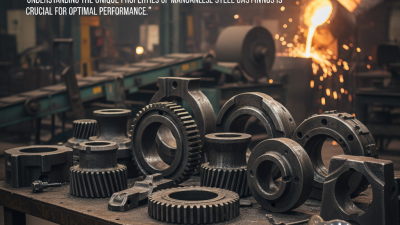
The unique properties of ductile iron make it suitable for various industries. For example, in automotive applications, it can endure high-stress conditions. Its ability to absorb shock is vital in manufacturing components like gears and brackets. The versatility of ductile iron is evident in its use in construction as well. However, this material does have limitations. While it is remarkably strong, it may be susceptible to corrosion if not properly treated.
Understanding these qualities helps in project planning. Proper surface treatments can enhance its longevity. However, decisions must consider both strengths and weaknesses. Working with ductile iron can lead to innovative solutions, but challenges may arise in sourcing the material. Balancing performance with cost-effectiveness is crucial for any project.
Advantages of Ductile Iron Castings in Various Industries
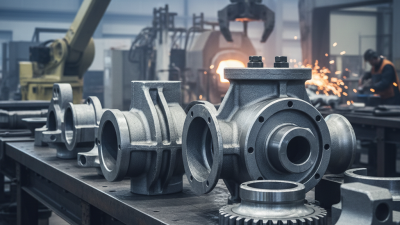
Ductile iron castings have gained popularity across various industries due to their remarkable properties. These castings are known for their strength and flexibility, making them ideal for demanding applications. They resist fractures, which ensures durability in products like pipes and automotive parts. Their versatility allows for intricate designs, accommodating intricate shapes without compromising structural integrity.
In construction, ductile iron castings play a critical role. They are often used in manhole covers and drainage systems. The material's corrosion resistance enhances longevity, reducing maintenance costs over time. Also, the ability to withstand heavy loads makes them suitable for roads and infrastructure. In manufacturing, they can be molded into complex forms, providing engineers with the freedom to innovate.
**Tip:** When choosing materials for your project, consider the long-term costs associated with maintenance and durability. Ductile iron can save you money in the long run due to its resilience.
It’s essential to be aware of the casting process. Variations in quality can occur, impacting the final product’s strength. Uncontrolled variables during casting can lead to defects. Therefore, working with experienced suppliers who guarantee quality is crucial.
**Tip:** Always request samples and conduct tests before committing to a large order. This ensures the material meets your project’s requirements.
Comparative Analysis: Ductile Iron vs. Other Casting Materials
When considering different casting materials, ductile iron offers unique advantages. Its high tensile strength makes it suitable for various applications. Compared to gray iron, ductile iron has better ductility and shock resistance. This enhances its ability to withstand heavy loads and sudden impacts. Industries such as automotive and construction frequently choose ductile iron for components requiring durability.
In contrast, aluminum castings are lighter and resist corrosion well, but they lack the strength ductile iron offers. While aluminum might be favorable for some applications, it doesn’t match ductile iron's ability to handle stress over time. On the other hand, steel castings can provide strong structural support but are generally heavier and more expensive. This makes ductile iron a balanced choice, especially for projects with weight and cost constraints.
Even with its many benefits, ductile iron may not be ideal for every situation. It requires specific casting techniques that can increase initial costs. Ensuring proper design and quality assurance during the process is also critical. Each project must carefully evaluate its needs, weighing the pros and cons of ductile iron against other materials. This thorough analysis can lead to better decision-making for long-term success.
Why Choose Ductile Iron Castings for Your Next Project? - Comparative Analysis: Ductile Iron vs. Other Casting Materials
| Material Type |
Tensile Strength (MPa) |
Impact Strength (J) |
Elongation (%) |
Corrosion Resistance |
Cost (USD/kg) |
| Ductile Iron |
350 - 600 |
40 - 60 |
6 - 10 |
Good |
2.00 - 3.00 |
| Gray Iron |
150 - 300 |
20 - 30 |
1 - 4 |
Moderate |
1.50 - 2.50 |
| Aluminum |
200 - 500 |
35 - 50 |
12 - 20 |
Excellent |
3.50 - 5.00 |
| Steel |
300 - 700 |
50 - 80 |
5 - 15 |
Moderate |
2.50 - 4.00 |
Applications of Ductile Iron Castings in Engineering Projects
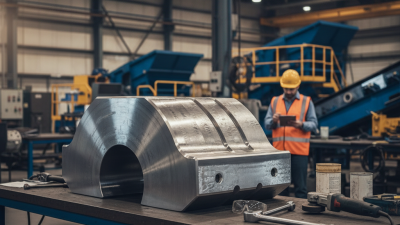
Ductile iron castings have become a preferred choice in various engineering projects due to their remarkable versatility and durability. These castings are particularly valued in industries such as automotive, construction, and mining. For instance, ductile iron is used extensively for hydraulic components because it can withstand high pressure and provide excellent shock resistance. Research indicates that ductile iron castings have a tensile strength of approximately 60,000 psi, making them robust for heavy-duty applications.
In urban infrastructure, ductile iron is commonly found in pipe systems. The material’s corrosion resistance enhances the longevity of water distribution channels. According to the American Water Works Association, the use of ductile iron pipes can last over 100 years with proper maintenance. This longevity reduces the need for frequent replacements, thus decreasing overall project costs. However, the initial investment may be higher. Engineers must evaluate economic factors carefully.
Additionally, ductile iron castings offer excellent machinability. This property allows for creating intricately designed parts with ease. Precision in manufacturing can lead to tighter tolerances, which is often necessary in the aerospace industry. Some might argue that using ductile iron can be overkill for lighter applications. Careful consideration of project requirements is essential. Balancing performance with cost-effectiveness is key.
Factors to Consider When Choosing Ductile Iron for Casting Solutions
When considering ductile iron for casting solutions, several factors should be prioritized. Ductile iron is known for its excellent mechanical properties, including high strength, ductility, and toughness. According to the American Foundry Society, ductile iron has a tensile strength typically ranging from 60,000 to 120,000 psi, making it suitable for demanding applications. This strength allows for the production of thinner and lighter castings, which can lead to material savings and enhanced performance.
Another important consideration is the casting process itself. Ductile iron can be easily cast into various shapes, thanks to its fluidity during pouring. However, achieving optimal casting quality depends on several variables, including melting temperature and cooling rates. A study from the International Journal of Metalcast highlights that controlling these variables can significantly reduce defects, such as porosity. This calls for a deep understanding of parameters influencing the casting process and highlights the need for continuous reflection and improvement in techniques used.
Additionally, ductile iron's resistance to wear and corrosion must be evaluated. Its exceptional durability is impressive, but certain environments may still pose challenges. A report from the Foundry Research Institute points out that, in aggressive environments, the performance can diminish without proper alloying or coating strategies. Choosing ductile iron requires a balanced consideration of its benefits and potential limitations in particular applications.