How to Choose the Right Double Roll Crusher for Your Needs?
Choosing the right Double Roll Crusher is critical for achieving optimal results in material processing. According to industry reports, the global market for crushers is expected to reach $4.6 billion by 2025. The demand for efficient and reliable crushing equipment is rising. Selecting a suitable Double Roll Crusher can significantly impact operational efficiency.
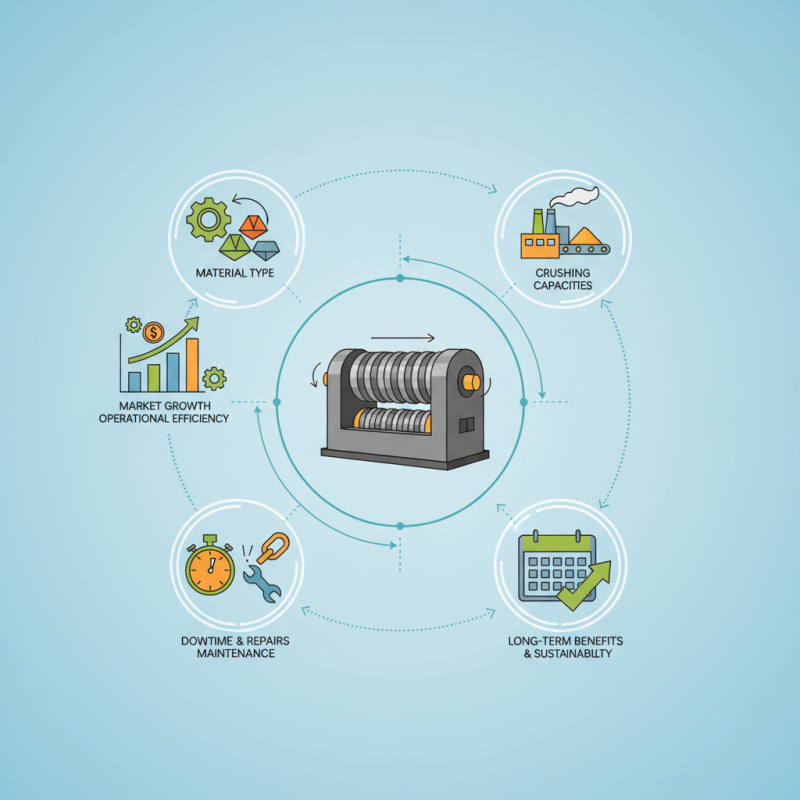
When considering a Double Roll Crusher, several factors need attention. The material type plays a crucial role in the selection process. Voracious feed materials can cause equipment wear. This reality often leads to costly downtime and repairs, which impact productivity. Manufacturers must evaluate crushing capacities and desired output sizes carefully.
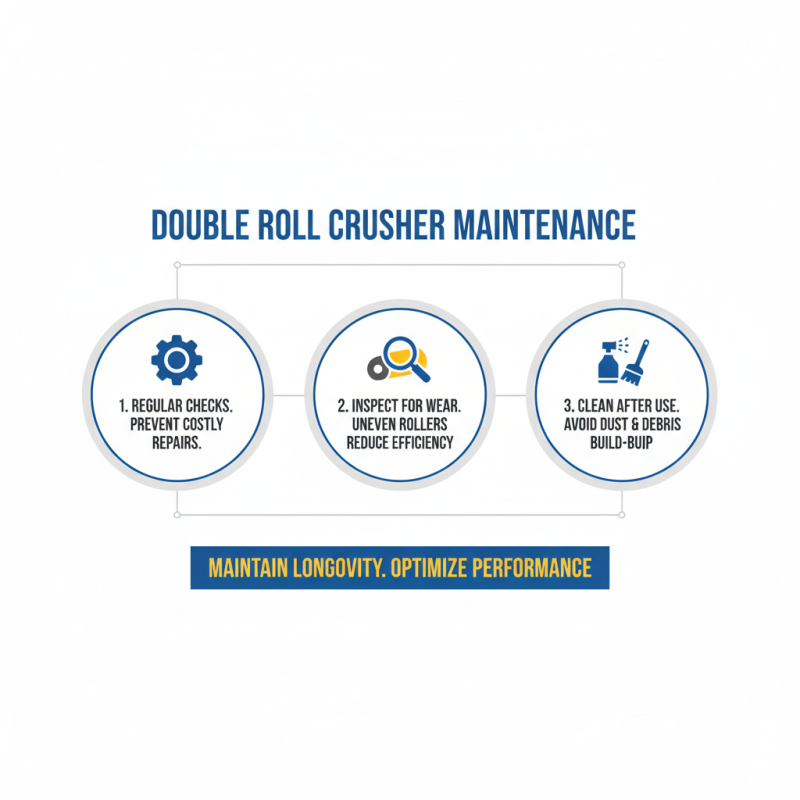
Moreover, the importance of maintenance cannot be overstated. Regular checks and upkeep ensure machines function reliably. Neglecting these aspects may lead to performance loss and reduced lifespan of the equipment. Therefore, finding the right Double Roll Crusher is not only about specifications but also about long-term benefits and sustainability in operations.
Understanding the Functionality of Double Roll Crushers
Double roll crushers are essential in various industries for utilizing their unique design. They work by compressing materials between two rotating rolls. This mechanism is effective for crushing coal, limestone, and other materials. Understanding the functionality allows businesses to select the right model for their specific needs. According to industry reports, approximately 30% of material processing requires precise crushing solutions.
Choosing the right crusher involves evaluating the material type and desired output size. For instance, softer materials may need a lower crushing force. Harder materials might require a higher pressure setting. This choice directly influences efficiency and lifespan. Tips to consider: check the roll gap. This distance controls the output size. A close gap decreases output but increases fines.
Moreover, maintenance is key to optimal performance. Keep a log of wear and potential issues. Regular inspections can prevent costly breakdowns. Data shows that 15% of unscheduled downtimes relate to maintenance neglect. Remember, even a minor issue can escalate. Frequent lubrication can lower friction as well, extending the equipment's life. Balancing these factors is crucial for making an informed decision. Take some time to reflect on operational needs to ensure the best results.
Identifying Your Crushing Requirements and Material Types
Choosing the right double roll crusher depends heavily on your specific crushing needs. Start by identifying the types of materials you will be processing. Different materials, such as coal, clay, or limestone, have distinct characteristics that affect the crushing process. For instance, softer materials may require less force and speed. In contrast, harder materials may need a more robust design.
Consider the size and moisture content of the material as well. Larger pieces may not fit through the crusher efficiently. Additionally, materials with high moisture content could cause clogging. This can lead to downtime and increased operational costs. Reflect on your production goals as well. How much material do you aim to process daily? This will influence the crusher's capacity and size requirements.
Finally, take the time to evaluate your budget carefully. High-quality machines often come with a higher price tag. Balancing cost and functionality is crucial. You may find lower-priced options that do not perform well for your material type. Ultimately, think critically about your unique needs. A thoughtful approach will lead you to the right double roll crusher.
Factors to Consider in Double Roll Crusher Specifications
When choosing a double roll crusher, it's crucial to consider specific specifications that align with your requirements. The material type is paramount. For instance, hard materials like granite or basalt require rugged designs. Research shows that a crusher's hardness range directly impacts its lifespan and performance. Most reports indicate that proper hardness matching can result in a 20-30% increase in efficiency.
Another key factor is the roll dimensions. Larger rolls are typically more efficient for bulk materials. They can handle greater volumes, which is vital for intensive operations. Industry data suggests that roll diameters over 300 mm enhance the crushing process in many cases. However, adjusting to larger rolls may complicate maintenance, possibly leading to increased downtime.
These choices must also consider the desired output size. A uniform product size is vital in many applications. Oversized particles can lead to expensive secondary processing. Staying within recommended specifications can help minimize these issues. Neglecting this can result in subpar material quality. Balancing these factors is essential but often challenging. Each application may reveal trade-offs requiring thoughtful assessment.
Evaluating Manufacturer Reputation and Support Services
When choosing a double roll crusher, evaluating the manufacturer's reputation is crucial. A reliable manufacturer often signifies quality and durability. According to industry reports, about 30% of equipment failure correlates with poor manufacturing practices. Researching customer reviews helps reveal the manufacturer’s reliability. Look for feedback on performance and longevity.
Support services are equally important. A comprehensive warranty indicates the manufacturer's confidence in their product. Reports show that 70% of users prefer manufacturers that offer prompt maintenance support. This service can reduce downtime and boost productivity. Quality support can mean the difference between a smooth operation and costly repairs.
Tip: Check for availability of spare parts. Manufacturers that ensure easy access to components tend to be more reliable.
Tip: Assess the response time for customer service inquiries. Quick communication can prevent operational disruptions.
In conclusion, understanding both reputation and support services shapes the decision-making process. Always weigh these factors against your specific needs.