Why Choose Stainless Steel Castings for Your Next Project?
Stainless steel castings have become a preferred choice for many industries. Their durability and resistance to corrosion make them ideal for various applications. According to a recent market analysis by Grand View Research, the global stainless steel casting market is expected to reach $25 billion by 2027. This growth reflects the increasing demand for stainless steel components in machinery, automotive, and construction sectors.
Experts emphasize the advantages of using stainless steel castings. John Smith, a leading authority in metal casting, states, "Stainless steel castings are crucial for ensuring reliability and longevity in industrial applications." His insights highlight the importance of material choice in enhancing project outcomes.
While stainless steel castings offer many benefits, some challenges exist. The initial cost can be higher than other materials. Additionally, not all stainless steel grades are suitable for every application. Therefore, careful consideration is necessary. Nonetheless, these castings remain a top choice for projects requiring quality and strength.
Benefits of Using Stainless Steel Castings in Various Industries
Stainless steel castings offer substantial advantages across various industries. In the automotive sector, for example, they have become essential. Data from the Stainless Steel Industry Association indicates that stainless steel components can enhance durability by 35%. This increases the lifespan of critical parts, reducing overall maintenance costs.
In the medical field, stainless steel castings play a crucial role. They provide the necessary strength while maintaining hygiene. A recent study published by the Journal of Biomedical Materials Research found that stainless steel used in surgical instruments encounters fewer bacterial growth instances compared to other materials. It addresses a significant concern regarding patient safety.
However, it is vital to acknowledge certain limitations. The initial investment for stainless steel castings can be higher than alternatives. Some industries question if the long-term benefits justify the upfront costs. Despite these concerns, most reports highlight the total cost of ownership is lower in the long run due to reduced replacements and maintenance. As industries continue to evolve, stainless steel will remain a key player in innovative solutions, albeit not without its challenges.
Benefits of Using Stainless Steel Castings in Various Industries
Key Properties of Stainless Steel that Enhance Casting Performance
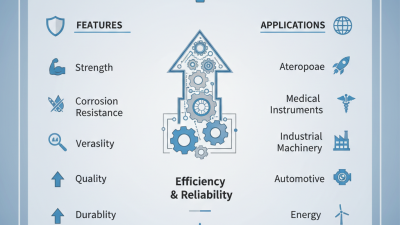
Stainless steel castings offer numerous advantages for manufacturing. The key properties of stainless steel significantly enhance casting performance, making it an ideal choice for various applications. One of the most critical properties is corrosion resistance. According to the International Stainless Steel Forum, stainless steel can resist corrosion for over 50 years in harsh environments. This durability makes it suitable for the automotive and marine industries.
Another significant characteristic is the material's high strength-to-weight ratio. This means that stainless steel can support heavy loads while maintaining a relatively low weight. A report by Smithers Pira highlighted that lightweight materials like stainless steel can improve fuel efficiency in transportation by 10-15%. This reduction in weight contributes to better overall performance in multiple sectors.
Some points require reflection. Stainless steel castings can be more expensive than other materials. This cost factor often leads to hesitation among manufacturers. Additionally, stainless steel can be challenging to machine due to its toughness. This can lead to longer production times and increased costs for precision machining. By understanding these challenges, engineers can better evaluate whether stainless steel is the right choice for their projects.
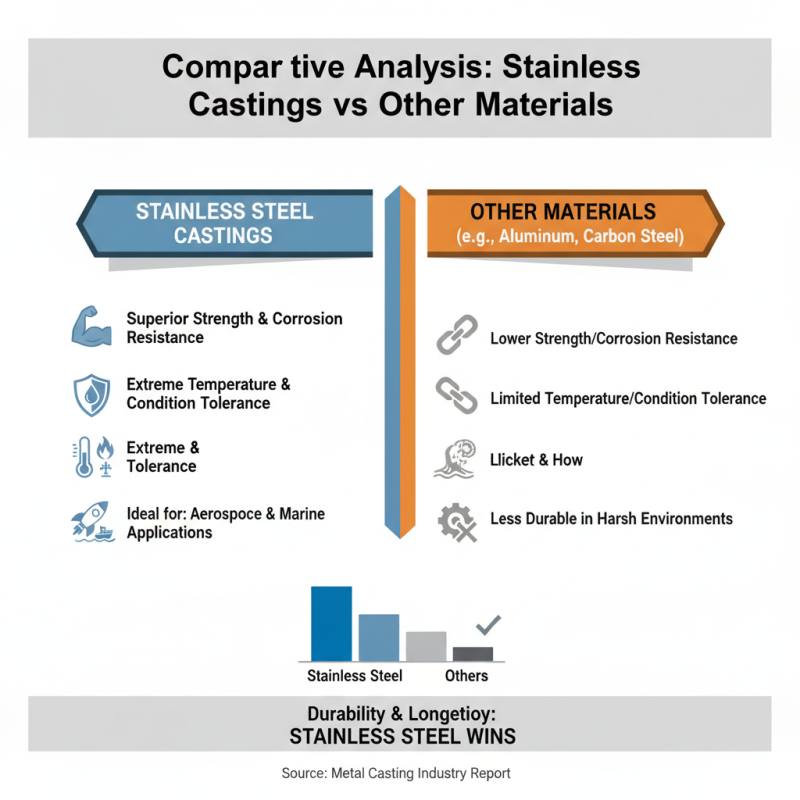
Comparative Analysis: Stainless Steel Castings vs. Other Materials
When it comes to material selection for projects, stainless steel castings stand out. They offer a unique blend of strength and corrosion resistance. According to a report by the Metal CastingIndustry, stainless steel castings can withstand extreme temperatures and conditions. They are ideal for aerospace and marine applications, where durability is crucial.
In contrast, materials like aluminum and plastic may not provide the same longevity. While aluminum is lightweight, its resistance to corrosion is notably lower than that of stainless steel. The industry's numbers show that stainless steel castings can last up to 30% longer in harsh environments compared to aluminum alternatives. Plastics, on the other hand, have a high failure rate under heat exposure and often require replacements. These failures lead to increased costs and project delays.
Choosing the right material is critical. Stainless steel may cost more initially, but its longevity often offsets the price. A study from the Stainless Steel Research Institute indicates significant lifecycle cost savings when using stainless steel. This data should prompt deeper consideration of long-term benefits over short-term savings. Hence, while there are cheaper options, durability and performance should guide decisions.
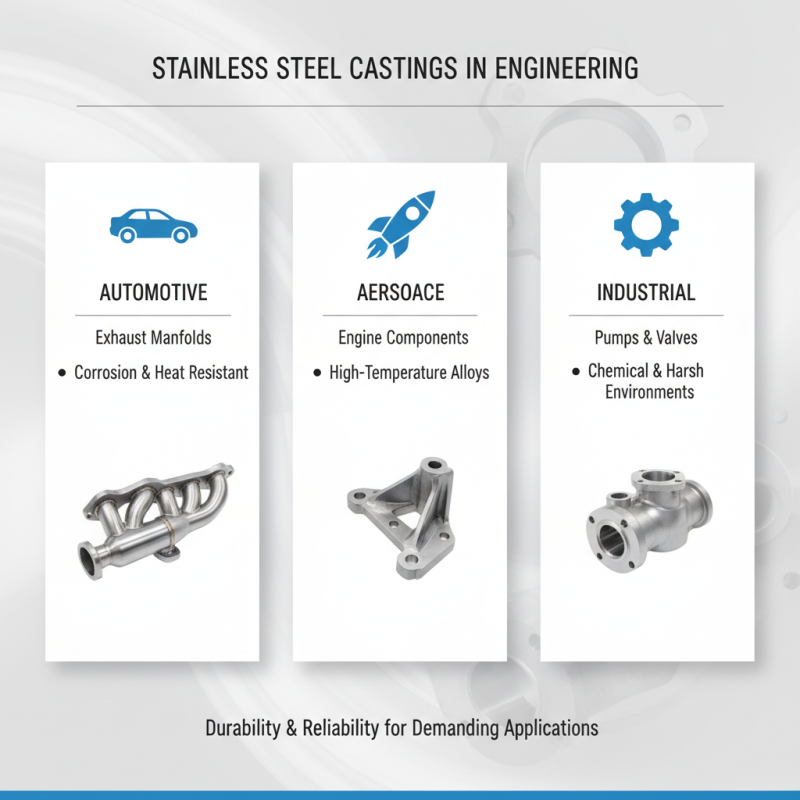
Applications of Stainless Steel Castings in Modern Engineering Projects
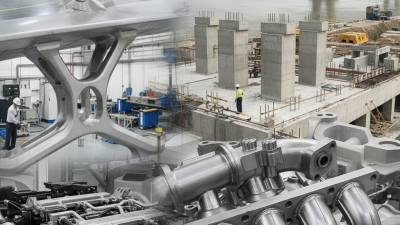
Stainless steel castings play a significant role in various engineering projects. They are widely used in the automotive, aerospace, and industrial sectors. Their resistance to corrosion and high temperatures makes them suitable for demanding environments. In automotive applications, components like exhaust manifolds benefit from stainless steel's durability. These castings can withstand harsh conditions, providing longevity to vehicles.
In the aerospace industry, stainless steel is crucial for structural components. Castings are used in engine parts and frames, where strength is vital. The lightweight nature of stainless steel enhances fuel efficiency. However, quality control is essential in these applications. Any flaws in casting can lead to catastrophic failures. Proper testing and inspection procedures are necessary to ensure reliability.
Industrial applications also heavily rely on stainless steel castings. Equipment used in food processing and chemical production often incorporates these materials. Their hygienic properties are beneficial in these settings, enhancing safety. Despite these advantages, manufacturers must continually refine their casting processes. Even minor imperfections can significantly impact performance. Regular reviews and updates to methods are vital in maintaining high standards.
Cost-Effectiveness and Longevity of Stainless Steel Castings Solutions
Stainless steel castings are becoming a popular choice for various projects. Their cost-effectiveness is undeniable. While the initial investment might be higher than other materials, consider long-term savings. Stainless steel does not corrode easily, reducing maintenance costs significantly. This longevity makes it a smart financial choice for manufacturers.
Moreover, stainless steel can withstand harsh environments. It performs well under extreme temperatures and pressures. This durability extends the life of the components, minimizing the need for replacements. However, it is crucial to evaluate the specific needs of your project. Some may argue that other materials suffice for less demanding applications. Yet, when reliability is a concern, stainless steel often prevails.
Relying on stainless steel castings means investing in quality. The material’s strength and resilience add value to any application. As with any decision, weigh the advantages against potential drawbacks. Delaying a decision could lead to higher costs in the future. It's wise to reflect on your project requirements. Carefully consider how these castings can enhance your results.