How to Choose the Best Tube Shields for Your Needs?
Choosing the right Tube Shields is crucial for ensuring safety and efficiency in various applications. According to a recent report from the International Safety Equipment Association, over 30% of injuries in industrial environments could have been prevented with proper shielding. This highlights the importance of selecting the most suitable Tube Shields for specific needs.
Expert Bob McKenzie, a renowned figure in the Tube Shields industry, emphasizes, "Choosing the right shield isn't just about protection; it's about enhancing productivity." This insight reflects the balance between safety and operational efficiency. Different applications require different materials, sizes, and designs, which can complicate the decision-making process.
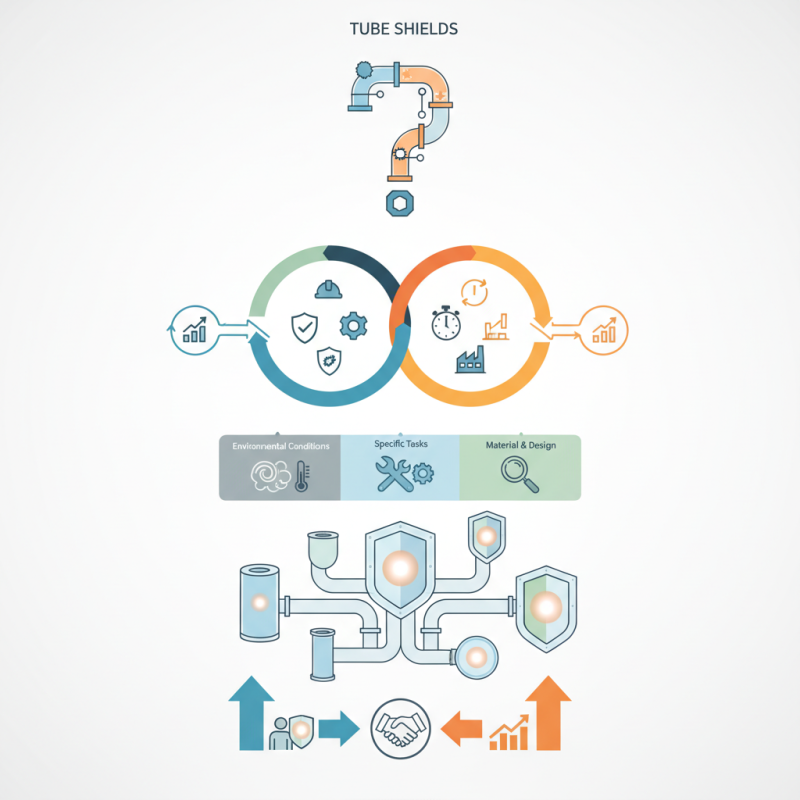
Many factors need consideration, such as the environmental conditions and the specific tasks at hand. While some may overlook the significance of proper shielding, understanding the nuances of Tube Shields can lead to better outcomes. With the right information and expert guidance, users can navigate the complex choices available in the market. Selecting adequate Tube Shields is not simply a preference; it is a vital decision that impacts both safety and productivity.
Understanding Different Types of Tube Shields and Their Applications
When choosing tube shields, it's essential to understand the various types and their uses. Tube shields come in different materials and shapes. For example, metal tube shields offer high durability and can withstand harsh conditions. Plastic options, on the other hand, are lightweight and often more affordable, making them suitable for everyday use. Your specific needs will determine which type is best for you.
Tips: Consider the environment where you'll use the shield. A metal option might be ideal for outdoor activities, while a plastic shield could be perfect for indoor settings. Moreover, look for options with adjustable features. This flexibility can make a significant difference in comfort and protection.
Another important aspect is size and fit. Ensure the shield you choose complements the equipment you’re using. An ill-fitting shield can lead to discomfort or decreased efficiency. It’s also worth noting that not every shield is designed with all activities in mind. Make sure to do your research on user experiences to find the best match for your specific requirements.
Key Factors to Consider When Choosing Tube Shields for Specific Needs
Choosing the right tube shields requires careful consideration. Key factors include the material, size, and intended use. Materials like polycarbonate and acrylic offer various levels of durability and clarity. According to industry reports, polycarbonate is known for its impact resistance, making it suitable for high-risk environments. Understanding the specific needs of your application is crucial.
Size matters significantly. Ensure a proper fit with the tubes you're using. An inadequate shield can compromise safety and functionality. The correct size enhances efficiency and protects against hazards. Many professionals overlook this aspect, leading to increased risks during operation.
Consider thickness as well. Thicker shields generally offer better protection. A study from safety equipment manufacturers indicated that a thickness of at least 6mm is optimal for most industrial applications. However, heavier materials may hinder mobility and flexibility, creating a need for a balance. It's critical to reflect on how these factors uniquely apply to your situation, as personal experiences with tube shields can vary widely.
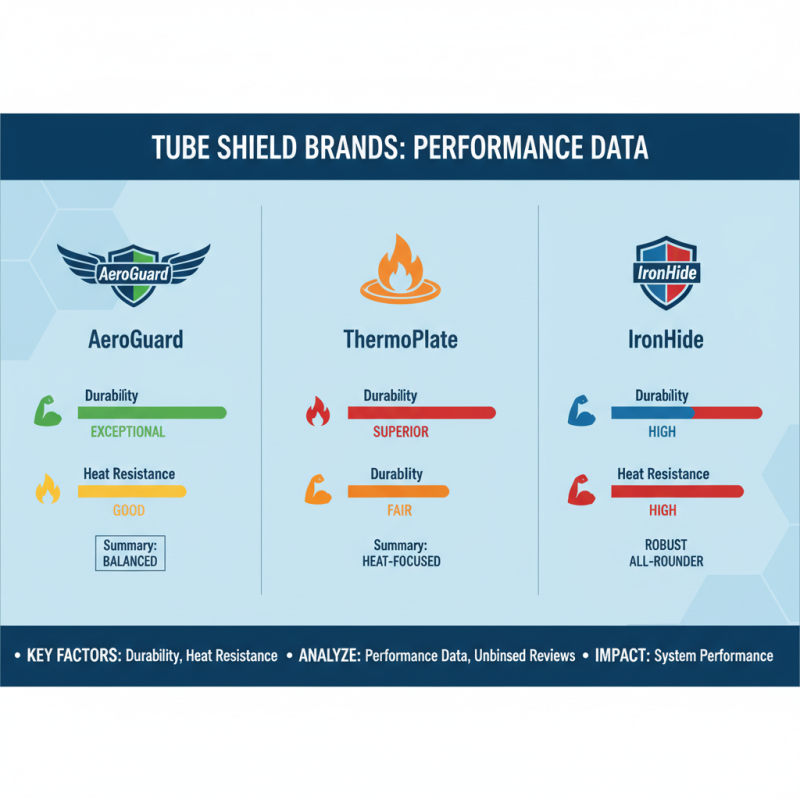
Comparison of Tube Shield Types Based on Key Factors
Evaluating Materials and Durability of Tube Shields in Various Environments
When selecting the best tube shields, understanding the materials and their durability is crucial. Different environments can impact the effectiveness of your chosen shield. For outdoor use, materials like polycarbonate offer high resistance to impact and UV damage. For indoor applications, consider polyethylene, which provides a good balance of strength and flexibility. Each material serves a purpose, and evaluating your specific needs is vital.
Tips: Always assess the abrasion resistance of the material. Lesser-known materials may surprise you with their durability. Also, think about weather resistance for outdoor tube shields. Rain and sun affect longevity.
Remember, not all tube shields are created equal. The environment they’ll be exposed to significantly influences their lifespan. In industrial settings, shields might need added resistance due to chemicals or physical wear. In contrast, recreational setups might focus more on aesthetics and weight. Reflect on the environment and choose materials based on real use cases, not just specifications.
Cost-Effectiveness: Budgeting for Quality Tube Shields in Operations
When considering tube shields, cost-effectiveness is paramount. Businesses must evaluate their budget while ensuring quality. A lower price doesn't always mean lower quality, but it can signal potential risks. Investing more upfront often pays off in the long run. Durable shields can minimize replacement costs and improve safety.
Understanding the specific requirements of your operation is crucial. Analyze the environment in which the shields will be used. High temperatures or corrosive substances may dictate higher-quality materials. It’s essential to forecast usage and choose accordingly. A thorough assessment can prevent overspending on inadequate shields.
Don't overlook the importance of research. Consult industry experts and review technical specifications. Engage with professionals who have hands-on experience. Peer insights can reveal hidden costs. Remember, a cheap option might lead to frequent replacements. Prioritize reliability, but remain aware of your financial limits. Balancing these factors requires careful thought.
How to Choose the Best Tube Shields for Your Needs? - Cost-Effectiveness: Budgeting for Quality Tube Shields in Operations
| Tube Shield Type |
Material |
Price Range ($) |
Durability (Years) |
Maintenance Cost ($/Year) |
Effectiveness Rating (1-5) |
| Standard Tube Shield |
Metal |
100 - 150 |
5 |
20 |
4 |
| Advanced Tube Shield |
Composite |
200 - 300 |
7 |
15 |
5 |
| Economy Tube Shield |
Plastic |
50 - 80 |
3 |
30 |
3 |
| Premium Tube Shield |
High-Strength Alloy |
350 - 500 |
10 |
10 |
5 |
| Custom Tube Shield |
Varies |
500+ |
Varies |
Variable |
4 |