How to Choose the Best White Iron Castings for Your Needs?
Choosing the best White Iron Castings for your needs can be a daunting task. There are various factors to consider, such as application, durability, and specific properties. White Iron Castings are known for their excellent wear and abrasion resistance. However, not all White Iron Castings are created equal. Different manufacturers may offer different qualities and performance levels.
It's essential to evaluate your requirements before making a decision. Are you working in a high-impact environment? If so, you may need a particular type of White Iron Casting that can withstand severe conditions. The wrong choice could lead to failures and costly repairs. Real-world examples highlight the importance of making informed decisions in casting selection.
Understanding material specifications is another key point. Some White Iron Castings may have enhanced hardness but reduced ductility. This may not suit certain applications. Engaging with industry experts can provide insights into the best materials for your project. Ultimately, it's about finding the right balance between performance and cost. The decision process may feel overwhelming, but a thoughtful approach can yield long-term benefits.
Understanding White Iron Castings and Their Applications
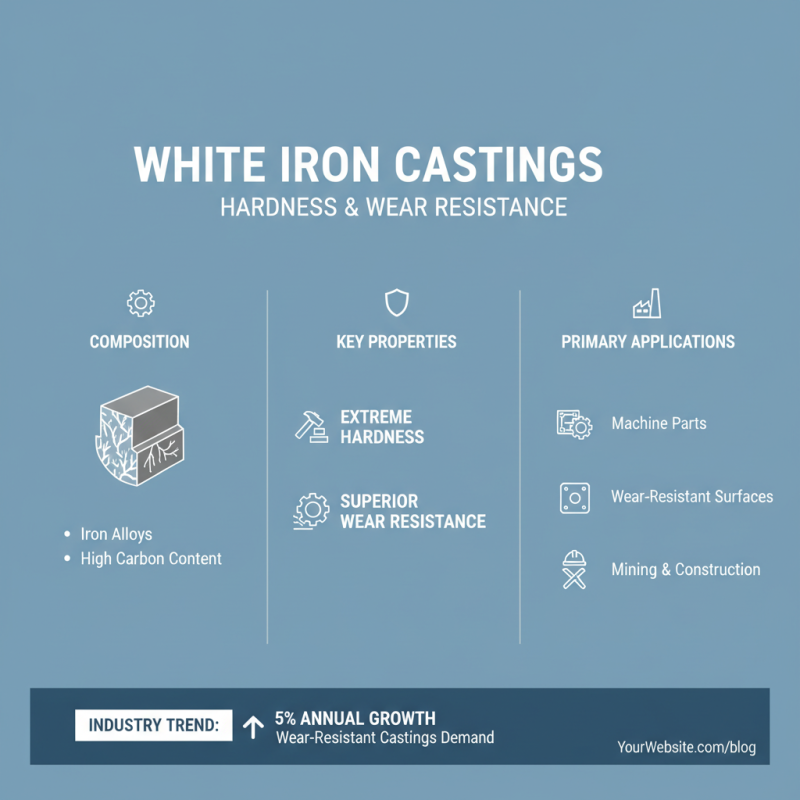
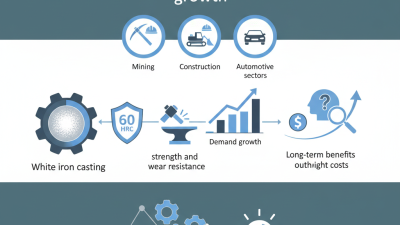
White iron castings are unique materials known for their hardness and wear resistance. Typically composed of iron alloys with high carbon content, they are used in various industries. Applications range from manufacturing machine parts to producing wear-resistant surfaces. According to recent industry reports, the demand for wear-resistant castings is projected to grow annually by 5%. This trend reflects an increasing need for durable materials in sectors like mining and construction.
Choosing the right white iron casting involves understanding specific applications. For example, high-chromium white iron is preferred for extreme wear applications, while low-chromium alternatives are suitable for less demanding environments. Consider the operational conditions and mechanical stresses the castings will face. A mismatch could lead to premature wear and costly downtime in production lines.
**Tips:**
When selecting white iron castings, prioritize material properties. Understand the hardness and toughness required. Consulting with industry experts can provide insight into which type of casting best meets your needs. Make sure to analyze the manufacturing process, as variations can affect final product performance. Always review performance data from similar applications before finalizing your choice.
Key Properties of White Iron That Affect Performance
When selecting white iron castings, understanding their key properties is essential. White iron is known for its hardness and wear resistance. This makes it a strong candidate for applications requiring durability. However, its brittleness can be a disadvantage. Always consider the specific application and potential stress points.
The composition of white iron affects its performance. High-carbon content enhances hardness but may reduce ductility. In contrast, lower carbon levels improve flexibility, ideal for certain uses. Heat treatment can also alter properties. This creates variability in performance.
Choosing the right casting involves evaluating your requirements and understanding these characteristics. A knowledgeable supplier can guide you in this decision. Be mindful that even the best materials have limitations. Conduct thorough research and consult experts to make informed choices.
How to Choose the Best White Iron Castings for Your Needs? - Key Properties of White Iron That Affect Performance
| Property |
Description |
Impact on Performance |
| Hardness |
Measure of resistance to deformation |
Higher hardness increases wear resistance |
| Wear Resistance |
Ability to withstand abrasion |
Critical for applications in heavy industries |
| Toughness |
Resistance to fracture under stress |
Important for shock loading applications |
| Machinability |
Ease of material shaping and finishing |
Affects production costs and lead times |
| Thermal Conductivity |
Ability to conduct heat |
Critical for high-temperature applications |
Factors to Consider When Selecting White Iron Castings
Choosing the best white iron castings requires careful consideration of various factors. One critical aspect is the specific application. Different industries have unique demands. For instance, parts used in heavy machinery need high wear resistance. The casting's hardness and toughness must match these requirements.
Quality is essential when selecting white iron castings. Look for reliable suppliers who adhere to industry standards. The reputation of the foundry can reflect the product's quality. Inspecting samples before placing bulk orders is a wise move. This way, you can ensure the casting meets your standards.
Tips: Pay attention to the surface finish of the castings. A smoother finish often indicates better quality. Additionally, check for any defects or inconsistencies. They can affect the casting's performance. Don’t hesitate to ask for certifications or test reports. They provide insights into the casting's reliability.
Comparison of White Iron with Other Casting Materials
When comparing white iron castings with other materials, several factors come into play. White iron is renowned for its hardness and wear resistance. It outperforms many alloys in applications where durability is crucial. However, it lacks the ductility found in materials like ductile iron or aluminum castings. This trade-off can impact decision-making.
White iron is brittle, making it less than ideal for certain applications. In contrast, ductile iron offers a stronger impact resistance. For components that require flexibility, it might be the better choice. Aluminum castings are lightweight and resist corrosion, but they don’t match white iron's hardness. Each material has its strengths and weaknesses.
Tips: Consider the specific demands of your application. Hardness and wear resistance may outweigh the need for ductility. Assess all factors, including cost and production capabilities. A thorough evaluation will lead to a more informed choice. Don't hesitate to consult with a materials expert for deeper insights.
Comparison of Material Properties: White Iron vs. Other Casting Materials
Best Practices for Sourcing High-Quality White Iron Castings
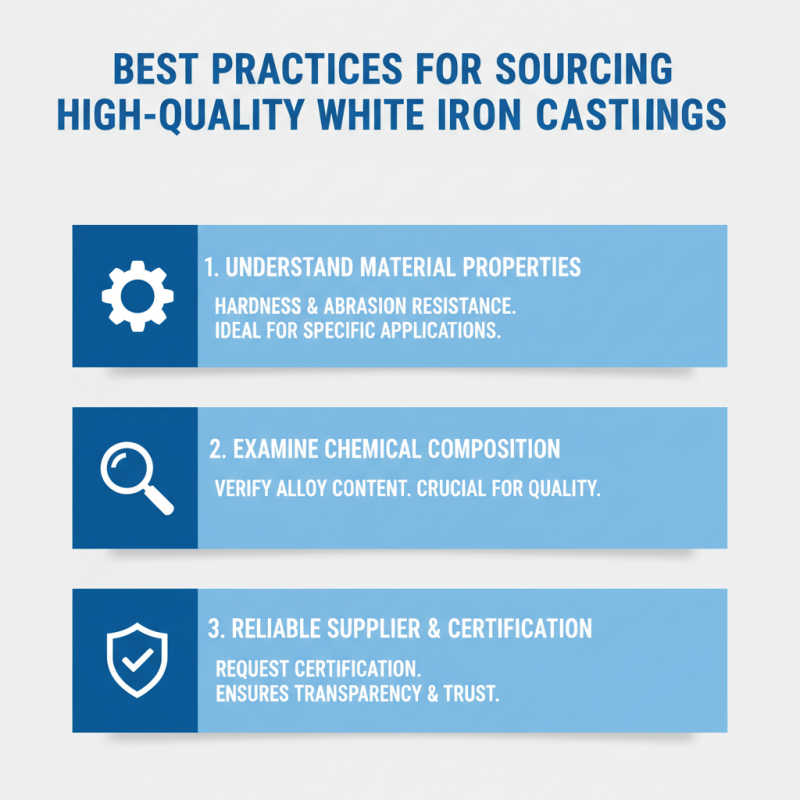
When sourcing high-quality white iron castings, understanding material properties is crucial. White iron, known for its hardness and abrasion resistance, is ideal for specific applications. However, not all castings are created equal. It’s vital to examine the chemical composition. A reliable supplier should provide certification that indicates the alloy content and hardness levels. This transparency builds trust and assures quality.
Inspecting the manufacturing process can also yield valuable insights. Look for facilities that use modern techniques. These include precision casting methods that ensure dimensional accuracy. Pay attention to the foundry's experience and expertise. Companies with a long history often have refined their processes over time. It’s helpful to ask about the quality control measures in place. Consistent inspections can prevent defects that compromise performance.
Experience plays a significant role in sourcing. Speak to other professionals in your industry. They can provide recommendations and feedback on reliable suppliers. Testing samples is another practical approach. This helps you assess the castings for your specific needs. A thoughtful selection process can save time and resources. It’s important to remain open to unexpected results. Sometimes, the best options may not be what you initially considered.