How to Choose the Right Stabilizing Roller for Your Equipment?
Choosing the right Stabilizing Roller is crucial for optimal equipment performance. In this context, industry expert John Thompson once stated, "The right roller can make or break your operation." His words highlight the importance of a proper choice in stabilizing solutions.
Stabilizing Rollers come in various designs and materials. Each option serves specific equipment needs. A mismatched roller can lead to inefficiency or operational failure. Consider the size, load capacity, and environmental conditions before making a decision.
Many overlook the details when selecting a Stabilizing Roller. It's easy to get lost in specifications or brand names. However, understanding your unique application is vital. Reflect on your equipment and the demands it faces. This reflection helps ensure you choose the most effective roller for your needs.
Understanding the Functionality of Stabilizing Rollers in Equipment
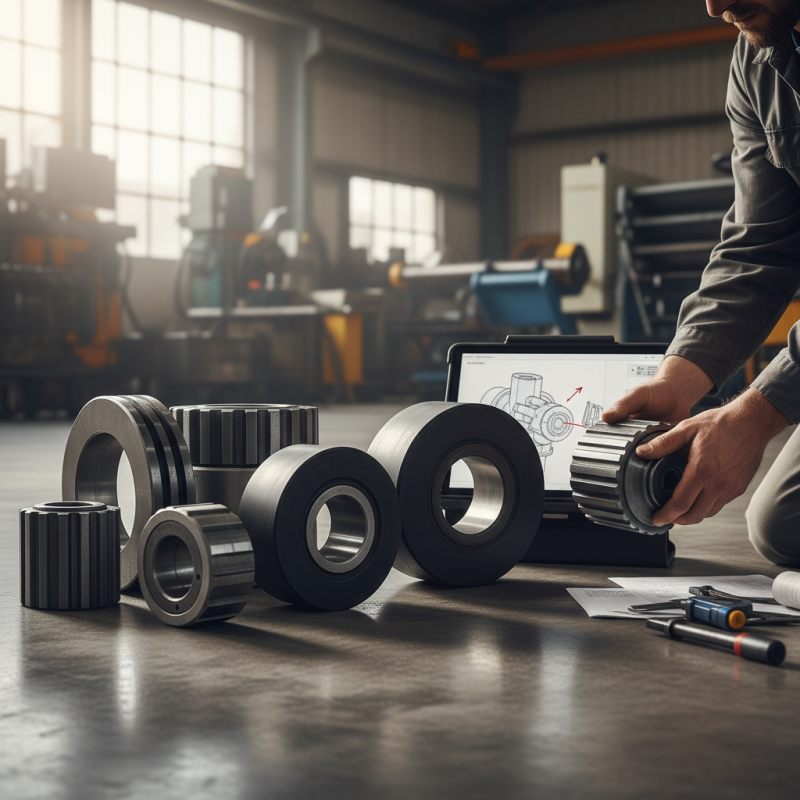
Stabilizing rollers are essential components in various types of equipment. They help maintain balance and smooth operation. Understanding their functionality is crucial for effective machinery use. These rollers provide support, reducing vibrations during operation. When loaded, they distribute weight evenly, enhancing stability.
Choosing the right stabilizing roller can be challenging. Different machines require different specifications. Factors such as load capacity and material type must be considered. A mismatch can lead to inefficiencies. For instance, using a roller that is too small may result in premature wear. Alternatively, selecting one that is too large can create drag.
Visualizing the roller in action can help. Imagine a heavy machine navigating uneven terrain. A stabilizing roller absorbs shocks and maintains contact with the ground. However, not every roller is suitable for every situation. Operators may need to experiment to find the best fit. This trial and error process can be frustrating but essential for optimization.
Identifying the Key Features to Look for in Stabilizing Rollers
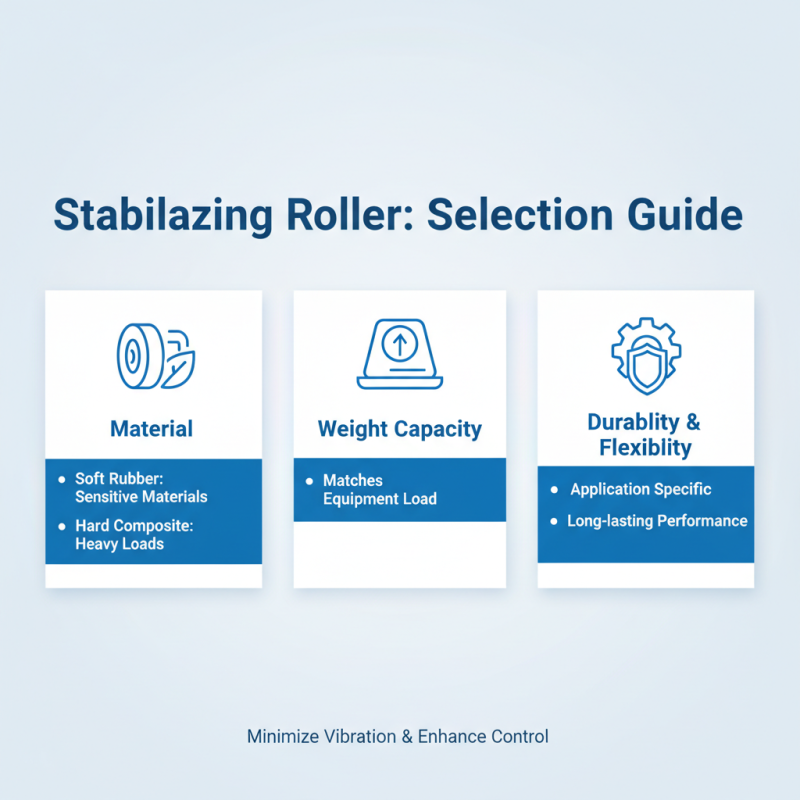
When selecting a stabilizing roller for your equipment, consider a few key features. The material used is crucial. Different applications require varying levels of durability and flexibility. For example, a softer rubber compound may be ideal for sensitive materials, while a harder composite could be better for heavier loads. Weight capacity should also guide your choice. Assess the load your equipment handles to ensure the roller can withstand it.
Tips: Always verify weight ratings. An underrated roller can lead to failures. Look for user reviews that mention durability and performance.
Another essential feature to examine is the roller's design. Different shapes, such as cylindrical or tapered, serve various functions. For instance, tapered rollers can provide better stabilization on uneven surfaces. The bearing type is also important; high-quality bearings reduce wear and enhance longevity.
Tips: Consider the environment. Dust and debris can affect performance. Sealed bearings can help protect against contaminants.
Don't forget maintenance. Choose rollers that are easy to clean and replace. Regular upkeep can extend their life and enhance your equipment's performance. A neglected roller might not provide the stability you need. Reflect on your environment and how it impacts roller performance.
Assessing the Compatibility of Rollers with Specific Equipment Types
When choosing a stabilizing roller, compatibility is key. Different equipment types often require specific features in rollers. For example, weight limits, dimensions, and material can vary greatly. A roller designed for lighter equipment may not support heavier machinery effectively.
Understanding the specifications of both your equipment and the roller is essential.
Consider the terrain where the equipment operates. A roller suited for smooth surfaces may struggle on rugged terrain. Load capacity is particularly important here. Each roller has a maximum weight it can support. Ensure that the roller can handle the demands of your specific tasks.
Another aspect is the roller design. Some rollers are wider, offering more stability. Others are narrower, allowing for better maneuverability. This choice can affect performance significantly. If you find your equipment unsteady on certain surfaces, it may be worth reevaluating your choice of roller. It's a process that requires careful thought and adjustment.
Adjusting your equipment setup can lead to improved efficiency over time.
Evaluating Material Options for Maximum Stability and Durability
When selecting a stabilizing roller for your equipment, material selection is critical. Different materials offer varying degrees of stability and durability. For instance, rubber rollers are common for their grip and shock absorption. However, they may wear out more quickly in demanding environments. On the other hand, metal rollers can withstand harsher conditions but may not provide the same level of surface traction.
Consider the environment where you will use the roller. If it’s in a wet or high-heat area, corrosion resistance is vital. Materials like stainless steel or specially coated metals can be beneficial. Yet, the cost may rise significantly. It is essential to find a balance between cost and durability. You want a solution that lasts without breaking the bank.
Don't overlook the importance of testing before committing. Sometimes, even the best materials can fail due to unforeseen conditions. Observing how different rollers perform in real scenarios is crucial. Real-world application can expose weaknesses that specs alone might not reveal. This process can be tedious but will pay off in the long run.
Reviewing User Feedback and Expert Recommendations for Roller Selection
When selecting a stabilizing roller, user feedback plays a crucial role. Many users report differences in performance across various conditions. In fact, a survey by the Equipment and Engineering Association revealed that 72% of users experienced improved stability with the right roller choice. However, not all users agree on what “right” means. Some find softer materials detrimental in harsh environments.
Expert recommendations often emphasize the importance of load-carrying capacity. According to industry analysis, rollers designed to handle loads of at least 50% above the operating weight perform better under stress. This approach not only enhances safety but also extends the lifespan of the equipment. Yet, experts warn that overestimating the required specifications can lead to increased cost without equivalent benefits.
Personal experiences further illustrate the importance of careful selection. One user shared that their initial choice resulted in frequent equipment failures. Yet, after heeding expert advice, they switched to a roller aligned with their specific conditions. While functionality improved, they noted higher maintenance needs that were unexpected. Balancing recommendation and real-world use often involves trial and error, a journey all operators navigate.
Stabilizing Roller Selection: User Feedback Ratings