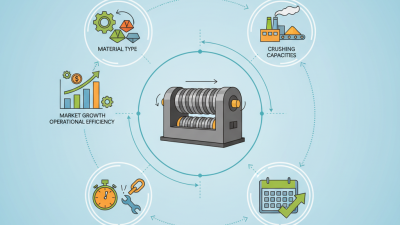
How to Choose Wear Resistant Steel Castings for Your Project?
Choosing the right wear resistant steel castings is crucial for any project. Reports indicate that around 60% of machinery failures are due to wear issues. This indicates a significant need for materials that can withstand harsh conditions. Wear resistant steel castings offer a solution by providing durability in demanding environments.
In industries like mining and construction, the cost of equipment downtime can reach thousands daily. By investing in high-quality wear resistant steel castings, companies can reduce these costs. These materials resist abrasion, impact, and wear. They extend the lifespan of machinery significantly. However, not all castings are made equal. Understanding the right specifications is key to making an informed decision.
Some manufacturers might claim inferior products meet industry standards. This could lead to poor performance and unexpected failures. Thus, careful selection is vital. Evaluating factors like alloy composition and treatment processes can make a significant difference. Making the right choice in wear resistant steel castings is not just about cost; it’s about operational efficiency and safety.
Understanding the Importance of Wear Resistant Steel Castings in Projects
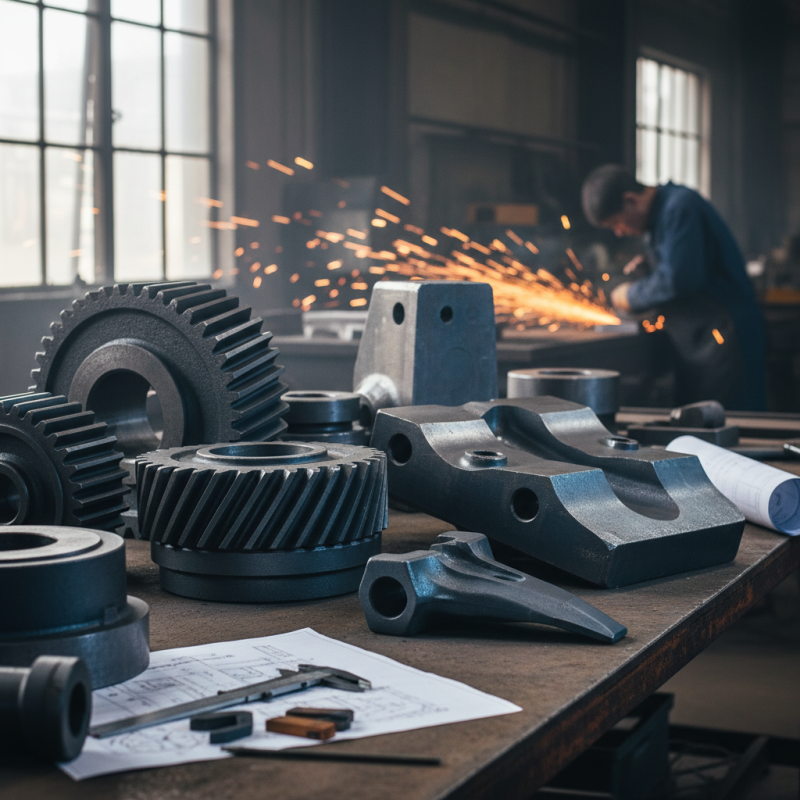
Wear resistant steel castings play a crucial role in many industries. They are essential for machinery and tools that face constant friction and wear. In mining, construction, and manufacturing, these materials help reduce downtime and maintenance costs. Proper selection of these castings can lead to improved performance and efficiency in projects.
Choosing the right wear resistant steels is not always straightforward. Factors like the operating environment and load conditions must be considered. It's important to reflect on unique project demands. Sometimes, the less expensive option is tempting, but it may not last as long. Analyzing the long-term benefits could save resources overall.
Understanding different properties of materials, like hardness and toughness, is essential. The perfect balance can be hard to achieve. In some cases, testing small samples before large-scale use can reveal potential issues. Each project is different, and a one-size-fits-all approach may not work. Ensure that you assess what is truly needed for durability and performance.
Wear Resistant Steel Castings Comparison
Identifying Key Properties of Wear Resistant Steel for Your Needs
Choosing wear-resistant steel castings for your project requires careful consideration of specific properties. The hardness of the steel is essential. Harder materials generally resist wear better. Look for castings with a hardness rating appropriate for your application, whether that’s mining, manufacturing, or construction.
TIPS: Always check the hardness level. If it's not listed, ask for it.
Another vital property to consider is toughness. Toughness helps materials withstand impact. A tough casting prevents fractures during heavy load conditions. Balance hardness and toughness based on your project needs. Take note of the operational environment. Extreme temperatures can affect performance.
TIPS: Test samples under real conditions. Are they holding up well?
Finally, corrosion resistance can be significant. Certain environments may expose materials to chemicals or moisture. Select alloys that resist these factors. Discuss your requirements with suppliers to find the best solution. Regular evaluation may help identify when replacements are needed.
Evaluating Different Types of Wear Resistant Steel Castings Available
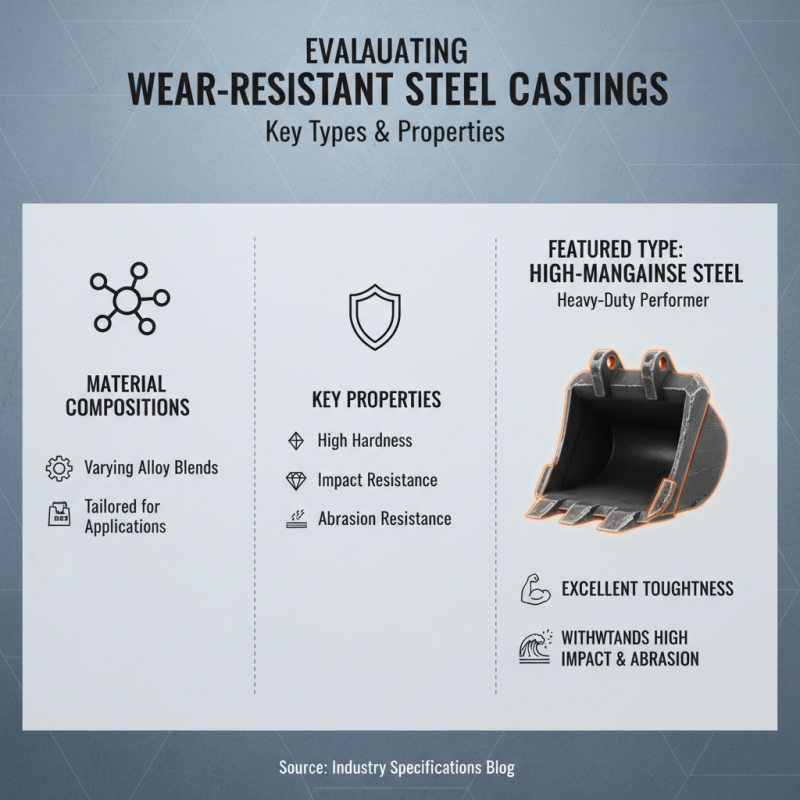
When evaluating different types of wear-resistant steel castings, understanding their specifications is key. These castings are made with various alloy compositions. Each type has unique properties that suit different applications. For instance, high manganese steel offers excellent toughness for heavy-duty environments. It often withstands high impact and abrasion.
Another popular option is chromium carbide overlay. This type provides a tough, durable surface. It's ideal for equipment exposed to severe wear conditions. Nonetheless, these castings might not perform well at elevated temperatures. Users should consider the operating environment when selecting materials.
Some castings, like martensitic steel, are designed for hardness. They excel in dry conditions. However, they can be brittle at low temperatures. This is crucial to keep in mind during selection. The right choice depends on specific project requirements, including temperature and impact factors. Each option presents its own set of advantages and limitations. Careful evaluation is necessary to ensure optimal performance in your project.
Assessing Cost-Effectiveness and Durability of Steel Casting Options
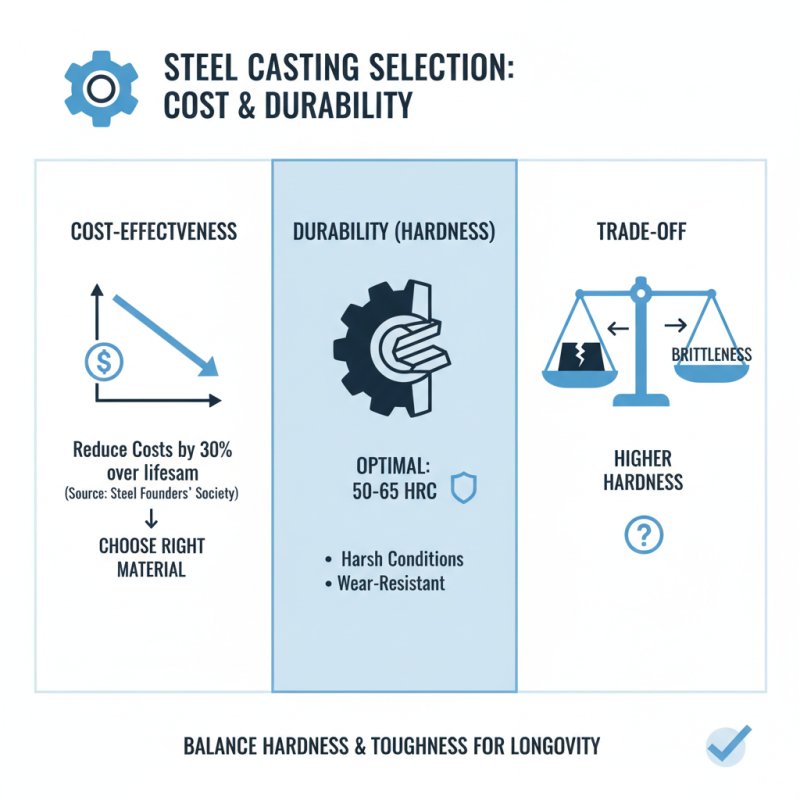
When selecting wear-resistant steel castings, cost-effectiveness is crucial. A report by the Steel Founders’ Society indicates that choosing the right material can reduce costs by up to 30% over a project's lifespan. Hardness is a key factor. Typically, steel castings with a hardness rating between 50-65 HRC show optimal durability for harsh conditions. However, higher hardness can lead to brittleness, a trade-off worth considering.
Durability also plays a vital role in your project’s success. According to industry standards, wear-resistant steel castings can last two to three times longer than standard options. Look for materials that provide proper corrosion resistance. A study noted that castings with a chromium content of over 20% exhibit significant resistance to wear. This can be beneficial in extreme environments.
**Tips:** Focus on materials that balance hardness and toughness. Regularly evaluate your project's wear characteristics. Don’t hesitate to seek advice from experts. Sometimes, the choices seem overwhelming. Reflect on both short-term and long-term impacts. What appears cost-effective initially might escalate in the long run. Balancing these factors requires attention and clarity.
Ensuring Proper Sourcing and Quality Assurance for Steel Castings
Choosing the right wear-resistant steel castings involves careful sourcing and quality assurance. A recent industry report found that 40% of projects encountered issues due to subpar sourcing practices. It's crucial to engage reputable suppliers with proven track records. Check their certifications and ask for references. Reliable suppliers often provide detailed specifications, ensuring the material's durability.
Quality assurance processes should be stringent. Implementing rigorous testing methods can prevent future failures. Industry standards recommend conducting hardness tests and tensile strength assessments. Studies indicate that proper testing can improve lifespan by up to 30%. However, not all manufacturers follow these practices, leading to varying outcomes. Transparency in quality checks is essential for ensuring that you receive the expected performance from your castings.
In addition to sourcing and quality assurance, consider the environmental impact of the materials. Reports show that 25% of steel casting processes contribute significantly to emissions. Striving for sustainability can complement your project goals while ensuring compliance with regulations. Selecting eco-friendly options may require more research, but it can result in substantial long-term benefits. Balancing performance with environmental responsibility is a point worth reflecting upon.
How to Choose Wear Resistant Steel Castings for Your Project? - Ensuring Proper Sourcing and Quality Assurance for Steel Castings
| Property |
Description |
Importance |
| Material Composition |
The types and amounts of elements in the steel alloy. |
Affects hardness, tensile strength, and wear resistance. |
| Heat Treatment |
Processes like quenching and tempering to improve properties. |
Enhances mechanical properties and durability. |
| Hardness Level |
Measured in Rockwell or Brinell hardness scales. |
Indicator of wear resistance and suitability for application. |
| Dimensional Tolerances |
Acceptable limits of variation in dimensions. |
Ensures compatibility and fitting in assemblies. |
| Source Certification |
Certification of the manufacturer’s quality management system. |
Assures adherence to industry standards and quality. |
| Cost Efficiency |
Evaluation of price against performance and longevity. |
Critical for budget management and overall project economy. |