What is a Conveyor Roller and How Does it Work?
Conveyor rollers play a crucial role in material handling systems across various industries. According to a market report by Research and Markets, the global conveyor roller market is expected to grow at a CAGR of 4.6% from 2021 to 2026. This growth reflects the increasing demand for automation in warehousing and logistics. Conveyor rollers aid efficiency, making the transfer of goods smoother and faster.
These rollers come in various shapes and materials, offering adaptability to different environments. For instance, steel rollers support heavy loads, while plastic rollers are used for lighter items. Despite their importance, many companies overlook maintenance costs associated with conveyor rollers, which can lead to operational inefficiencies. Regular checks are vital to prolong their lifespan and ensure optimal performance.
Yet, the success of conveyor rollers hinges on their design and application. Improper selection may result in conveyor jams or product damage. Identifying the right type is challenging but imperative. Investment in quality rollers can mean the difference between a smooth operation and costly downtime. Awareness of these factors is essential for businesses aiming to optimize their logistics and overall productivity.
What is a Conveyor Roller?
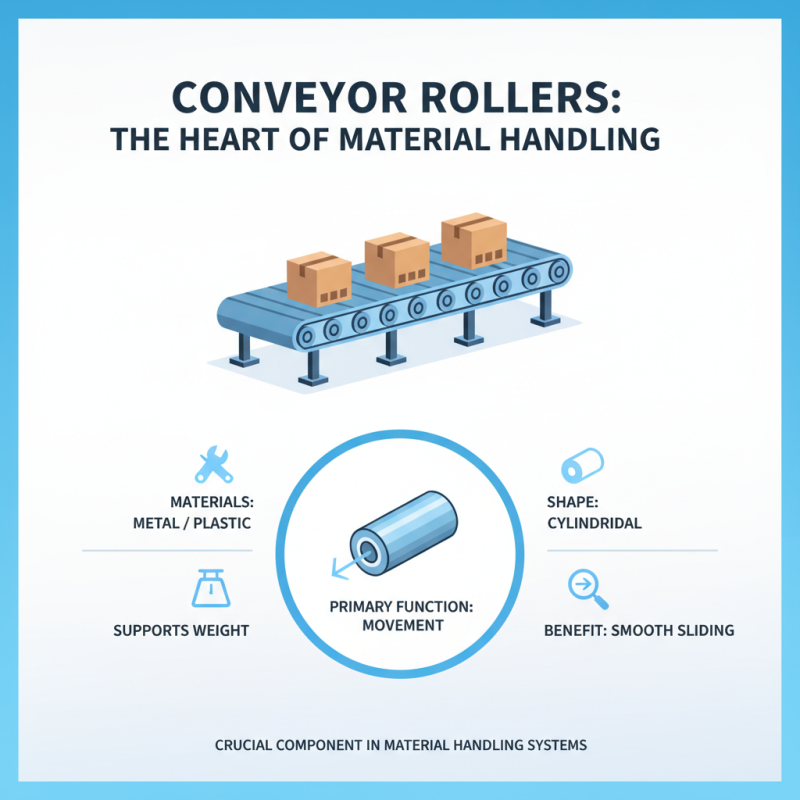
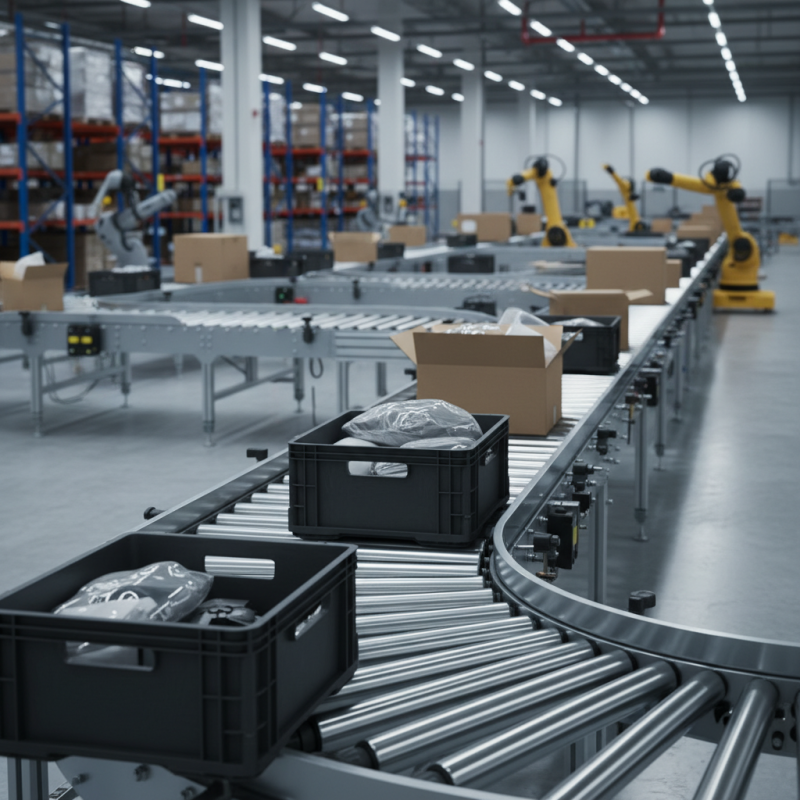
A conveyor roller is a crucial component found in many material handling systems. Its primary function is to facilitate the movement of goods along a conveyor belt. Typically made from metal or plastic, these rollers support the weight of the materials being transported. They are cylindrical in shape, allowing items to slide smoothly over them.
These rollers come in various sizes and configurations. It's common to see them in warehouses and manufacturing plants. However, not all rollers are created equal. Some may wear down faster than others, leading to inefficiencies. If a roller malfunctions, it can disrupt the entire conveyor system. Regular inspections are essential to identify potential issues before they escalate.
Choosing the right type of roller for the application is critical. Factors like load capacity and environmental conditions can influence performance. A mismatch can result in increased maintenance costs and downtime. Sometimes, companies overlook these basic yet vital details, which can create challenges in their operations. Failing to address roller wear can lead to unexpected stoppages, affecting productivity.
The Basic Components of Conveyor Rollers
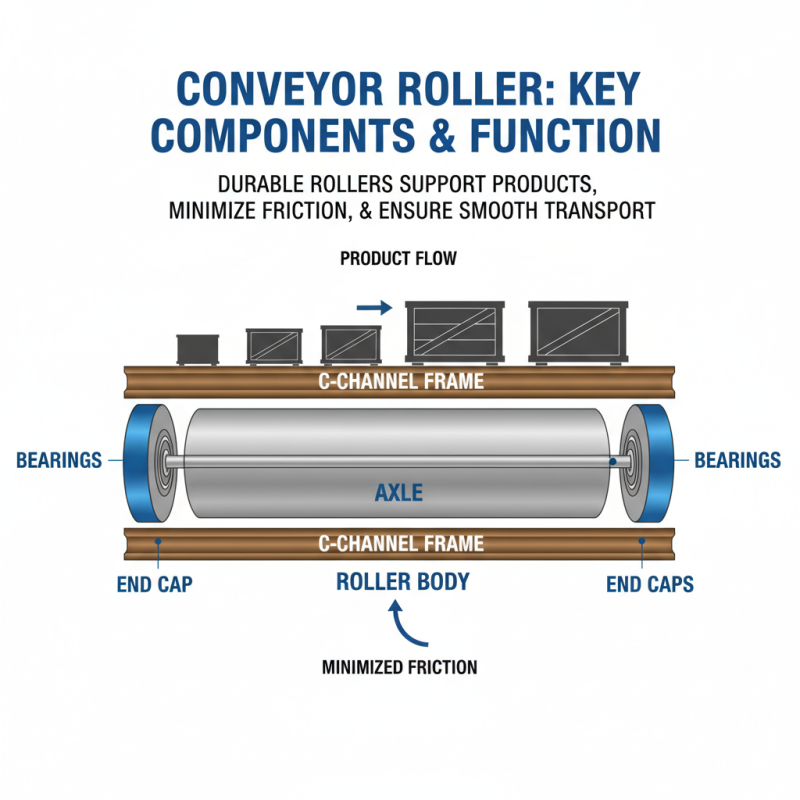
Conveyor rollers are crucial in material handling systems. They consist of several key components that ensure efficiency. The primary part is the roller itself, usually made from durable materials like steel or plastic. These rollers support the weight of products being transported. They help minimize friction, allowing cargo to move smoothly along the conveyor system.
Another essential component is the bearing, which reduces resistance and prolongs the lifespan of the roller. According to industry reports, well-maintained bearings can increase a conveyor's lifespan by up to 30%. However, neglecting regular inspections can lead to increased wear and tear. The roller shaft is equally important. It connects to the frame and provides stability. A weak shaft can compromise the entire system, leading to costly downtimes.
Design variations also exist. For example, tapered rollers help incline and decline operations. Selecting the right design is critical. Misalignment can cause excessive friction and reduce overall performance. While many systems have advanced features, not all industries utilize these optimally. Some still rely on outdated designs, missing opportunities for efficiency improvements. Careful selection and maintenance of these basic components prove essential in achieving optimal conveyor performance.
How Conveyor Rollers Function in Material Handling
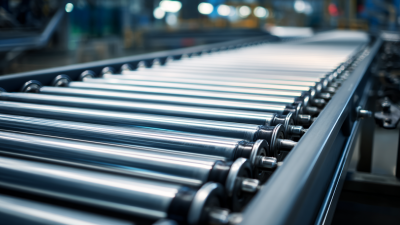
Conveyor rollers play a pivotal role in material handling. They are cylindrical components that facilitate the movement of goods along conveyor belts. Rollers reduce friction and allow for smoother transport of materials. This efficiency can greatly enhance warehouse operations.
In typical setups, gravity roller conveyors use downward slopes. This simple design helps objects move effortlessly. For heavier items, powered rollers are often utilized. They require motors that drive the rollers, pushing goods forward. Different materials can affect performance. For example, metal rollers can withstand large weights, while plastic rollers may be more suitable for lighter materials.
However, not all roller systems operate without flaws. Blockages can occur if the rollers are misaligned. Dust buildup can hinder movement, causing delays. Regular maintenance is necessary to keep everything in working order. It's crucial to reflect on these challenges to improve operational efficiency. A system that works for one type of material may not work for another. Customization is key in achieving the best results.
What is a Conveyor Roller and How Does it Work?
| Feature |
Description |
Material |
Application |
| Roller Diameter |
Typically ranges from 2 to 12 inches |
Steel, PVC, or Polyurethane |
Material handling systems |
| Weight Capacity |
Can handle weights from 50 to 5000 lbs |
Aluminum, Steel |
Heavy industrial tasks |
| Drive Types |
Gravity, Live roller, and Belt-driven |
Varies based on roller type |
Distribution centers, airports |
| Customization |
Rollers can be customized for different widths and lengths |
Custom materials available |
Tailored solutions for specific applications |
Types of Conveyor Rollers and Their Applications
Conveyor rollers are essential in material handling systems. They come in various types, each serving unique applications. The most common types include gravity rollers, powered rollers, and expandable rollers.
Gravity rollers allow products to move with the help of gravity. Powered rollers use motors to drive the movement, ensuring consistent flow. Expandable rollers adapt to different product sizes and are beneficial in dynamic environments.
According to a recent report by the Conveyor Equipment Manufacturers Association, approximately 70% of all materials are transported using conveyor systems. This statistic underscores the significance of selecting the right roller type. For instance, gravity rollers are best for light, non-powered tasks, while powered rollers excel in heavy-duty environments. In warehousing, a mix of these rollers enhances efficiency. However, implementing the wrong type can lead to breakdowns and increased maintenance costs.
Some industries still face challenges in choosing suitable conveyor rollers. A survey revealed that nearly 30% of companies reported issues with roller performance. This could stem from insufficient training or lack of comprehensive data. It emphasizes the need for a deeper understanding of roller specifications and their proper applications.
Maintenance Tips for Conveyor Rollers
Conveyor rollers are crucial for moving materials efficiently. They are often used in various industries. However, to ensure they function properly, regular maintenance is essential. Inspecting the rollers routinely helps identify wear and tear. This simple step can prevent costly downtime.
Lubrication is key. Without it, rollers can become noisy and ineffective. A few drops of appropriate lubricant can make a big difference. Check for misalignment as well. Misaligned rollers can cause unnecessary strain, leading to breakdowns. It’s important to address this issue as soon as possible.
Lastly, cleaning the rollers regularly is necessary. Dirt and debris can accumulate over time. This buildup can hinder performance and efficiency. A quick inspection while cleaning might reveal other hidden problems. Neglecting these tasks may seem minor, but they can lead to bigger headaches down the line. Regular maintenance ensures smooth operations and prolongs the life of conveyor rollers.
Conveyor Roller Performance and Maintenance Data
This chart illustrates the average maintenance frequency for conveyor rollers categorized by wear levels. As wear increases, the frequency of maintenance required also increases, indicating that regular monitoring is essential for optimal performance.