What is a Double Roll Crusher and How Does It Work?
A Double Roll Crusher is an essential equipment in the mining and material processing industries. It features two parallel rolls that crush materials through compression. This design provides an efficient means for reducing large particles into smaller sizes.
Understanding how a Double Roll Crusher works is crucial for maximizing its effectiveness. Its simple design relies on high pressure to pulverize materials like coal, limestone, and clay. Businesses often prefer this crusher for its reliability and low maintenance needs. However, users sometimes overlook the importance of proper adjustment and monitoring. Neglecting these aspects can lead to inefficiencies.
The Double Roll Crusher is not just a tool; it is a cornerstone of many industrial processes. Investing time in understanding its operation enhances output and reduces waste. Transparency about its limitations fosters better decision-making. Overall, this equipment embodies efficiency but requires careful operation.
What is a Double Roll Crusher?
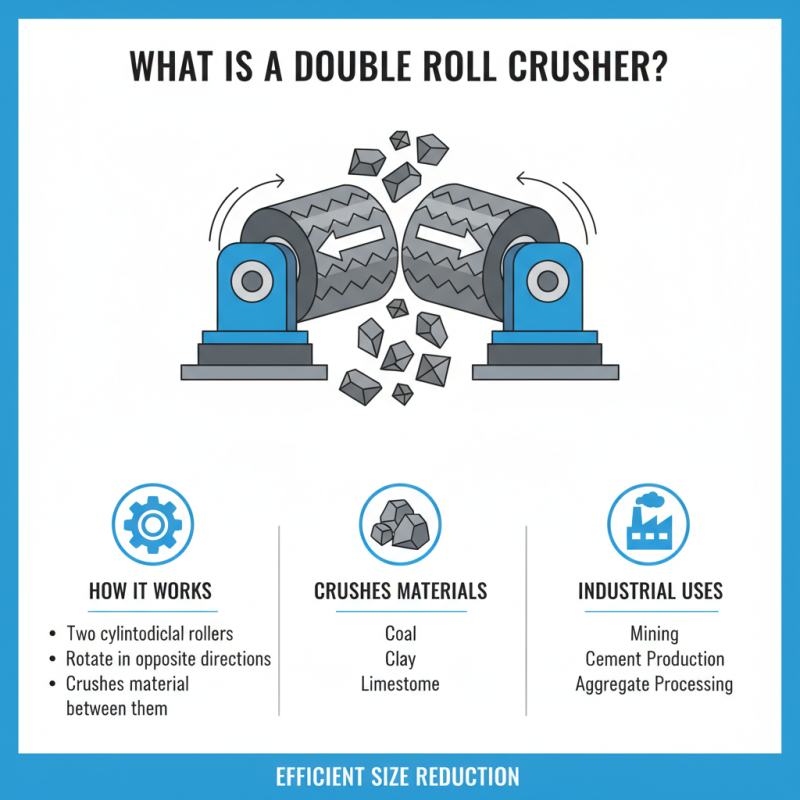
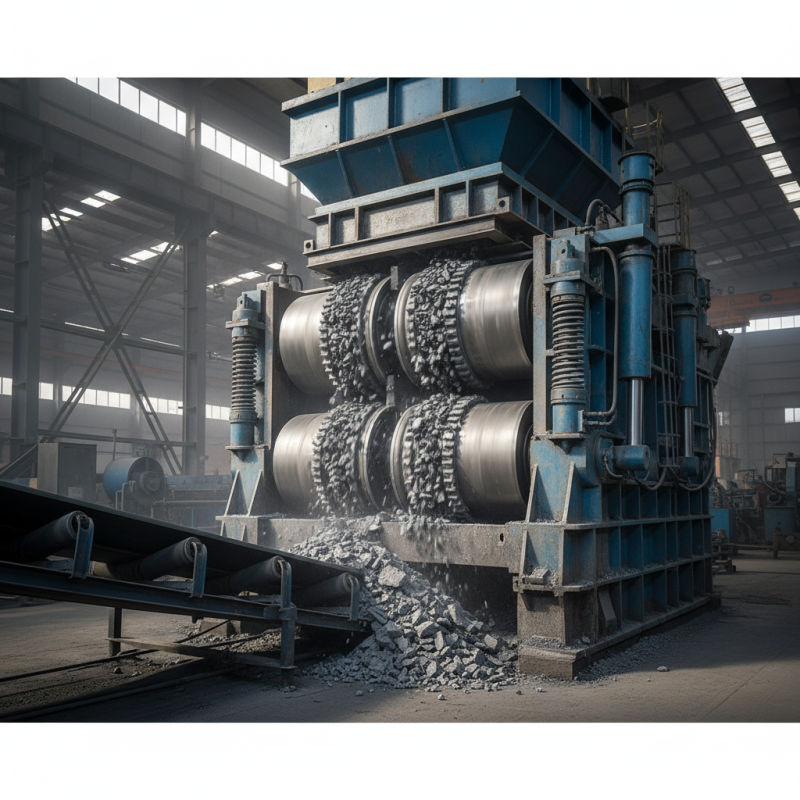
A double roll crusher is a powerful piece of equipment used in various industries. It primarily crushes materials like coal, clay, and limestone. The design features two large cylindrical rollers that rotate in opposite directions. This crushing action reduces the size of the material efficiently.
The rollers are embedded with teeth or grooves, which help grip and crush the incoming material. This results in uniform particle size, an important factor for many applications. Users often appreciate its ability to handle tough materials while maintaining operational efficiency.
Tip: When operating a double roll crusher, regular maintenance is essential. Check the roller alignment and replace worn teeth to ensure optimal performance.
Operators should be aware of the crusher's limits. Overloading can lead to mechanical failure. It is crucial to monitor the feed rate and material type to achieve the best outcomes.
Tip: Keep an eye on the temperature of the rollers. Excessive heat can be a sign of wear or improper settings, which may compromise the machine’s effectiveness.
The Principle of Operation of a Double Roll Crusher
A double roll crusher is a powerful tool used in various industries for size reduction of materials. It operates on a simple principle: two parallel rolls rotate in opposite directions. This creates a compressive force that effectively crushes material between the rolls. Commonly processed materials include coal, limestone, and clay. The efficiency of the machine can vary based on the hardness and moisture content of the feed material.
Understanding the operation of a double roll crusher is vital in optimizing its performance. Data from industry reports indicate that these crushers can achieve reduction ratios ranging from 4:1 to 6:1. The crushing force is adjustable, allowing operators to fine-tune the output size. Manufacturers recommend consistent monitoring of wear on the rolls to maintain efficiency. However, operators often overlook this aspect, leading to unanticipated breakdowns.
While double roll crushers show efficiency, they also present challenges. For instance, improper feed can cause uneven wear, affecting effectiveness. Regular maintenance is essential but often postponed in busy operations. This can result in sudden downtimes, affecting productivity. Seeing the big picture is imperative; balancing diligence in maintenance with operational demands can enhance long-term efficiency.
What is a Double Roll Crusher and How Does It Work?
| Parameter |
Description |
Value |
| Crusher Type |
Double Roll Crusher |
N/A |
| Operating Principle |
Crushing by compression |
N/A |
| Roll Diameter |
Diameter of the rolls |
20 - 25 inches |
| Roll Width |
Width of the rolls |
30 - 50 inches |
| Throughput Capacity |
Material processed per hour |
10 - 100 tons |
| Max Feed Size |
Maximum size of material to be crushed |
5 - 10 inches |
| Power Requirement |
Electricity needed for operation |
15 - 250 kW |
| Applications |
Industries where it's used |
Mining, Aggregates, Recycling |
Key Components of a Double Roll Crusher
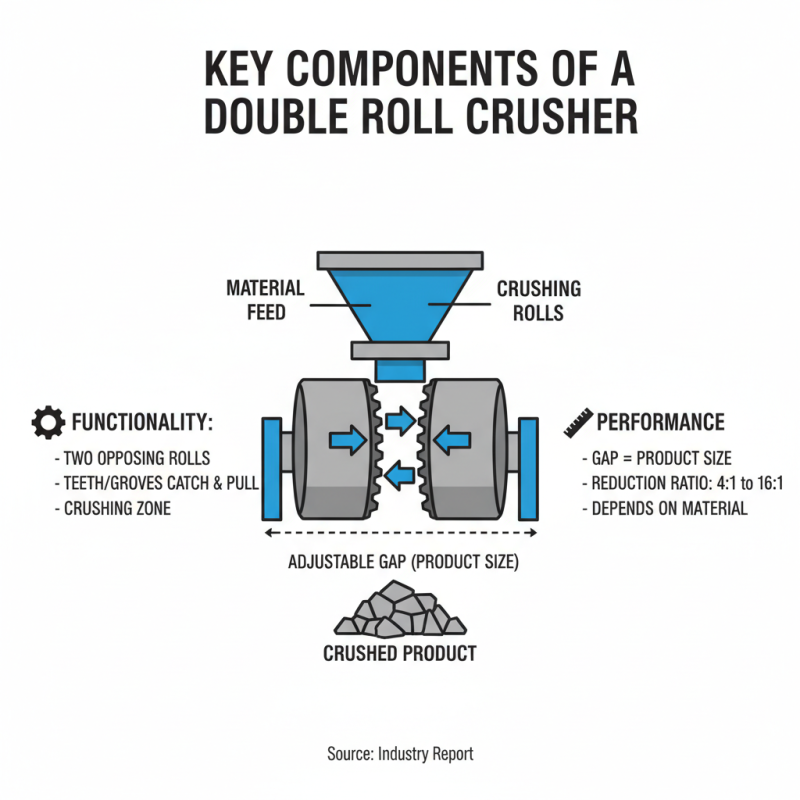
A Double Roll Crusher is designed to crush materials through the use of two opposing rolls. Each roll is equipped with teeth or grooves that catch and pull material into the crushing zone. The distance between the rolls determines the size of the crushed material. According to a recent industry report, double roll crushers can achieve reduction ratios ranging from 4:1 to 16:1, depending on the material characteristics.
Key components of a Double Roll Crusher include the crushing rolls, bearings, and drive system. The rolls are often made of high-strength steel. They are precisely engineered to withstand significant pressure and wear. Regular maintenance is paramount for optimal performance. Bearings support the rolls while ensuring correct alignment. The drive system typically uses either electric motors or hydraulic drives, which provides flexibility in operation.
Data suggests that optimizing these components can greatly influence the efficiency of the crusher. However, achieving maximum throughput isn't always straightforward. Challenges may arise from uneven material flow or mechanical wear. Continuous monitoring is necessary to address these issues. Industry professionals must evaluate and refine processes over time to ensure reliability.
Applications and Industries Utilizing Double Roll Crushers
Double roll crushers play a crucial role in various industries. They are widely used for crushing materials like coal, clay, and limestone. These machines work by compressing feed material against two rotating cylinders. The result is a high degree of size reduction. This makes them perfect for applications where uniform particle size is critical.
Mining and mineral processing are significant areas utilizing double roll crushers. They prepare ores for further processing. In the coal industry, these machines brake down soft sediments into manageable sizes. Cement manufacturing also benefits from roll crushers. They crush limestone to ensure it is suitable for production.
Tips: Regular maintenance is essential for optimal performance. Inspect the rollers frequently for wear and tear. It's also important to monitor the feed size to ensure consistent results. Consider the material's characteristics when selecting a double roll crusher. This understanding can significantly impact efficiency. Make sure to analyze and adjust processes as needed. Over time, this reflection helps improve outcomes.
Performance Metrics: Efficiency and Productivity of Double Roll Crushers
Double roll crushers play a pivotal role in various industries due to their efficiency and productivity. These machines utilize two rotating cylinders to crush material, making them suitable for processing minerals, coal, and other hard materials. According to a recent industry report by the National Mining Association, double roll crushers can achieve an efficiency rate of approximately 80%. This means that they can effectively reduce material size with minimal energy consumption.
The productivity of double roll crushers often depends on several operational aspects. For example, the gap between the rolls typically ranges from one inch to several inches. This adjustment controls the final size of the crushed material. Proper setting not only enhances productivity but also extends the lifespan of the machinery. Some studies indicated that poorly maintained double roll crushers can lead to a 15-20% reduction in output. This emphasizes the importance of regular maintenance and operational training for users to optimize performance.
Despite their advantages, double roll crushers are not without limitations. They may struggle with certain materials, leading to inconsistencies in crushing performance. An analysis from the International Journal of Mineral Processing reported that using inappropriate roll configurations can yield unpredictable results. It is crucial for operators to assess the material characteristics. This ensures they maximize both efficiency and productivity while mitigating potential drawbacks that arise from improper usage.
Double Roll Crusher Performance Metrics