How to Wear Protection Shield Effectively for Safety?
Wearing a protection shield is vital for safety in various environments. Dr. Emily Foster, a renowned expert in personal protective equipment, emphasizes, “The way you wear protection shield can make a difference.” Proper usage not only ensures personal safety but also protects those around us.
Many people overlook the fitting of their protection shield. A poorly fitted shield can create blind spots. If it's too loose, it may shift during critical moments. Not adjusting for comfort can lead to distraction. You might end up removing it entirely, which defeats the purpose. These mistakes can have serious repercussions.
Focus on clarity and visibility when you wear protection shield. Ensure it is clean and free of obstructions. Taking time to understand how to wear it correctly can save lives. Reflect on your habits. Are you using the shield effectively? Remember, safety begins with awareness and responsible choices.
Understanding the Importance of Wearing a Protection Shield
Wearing a protection shield is essential for safety in various environments. According to the National Institute for Occupational Safety and Health (NIOSH), face shields can reduce exposure to harmful agents by up to 95%. This percentage highlights the importance of proper use. For instance, during medical emergencies, protection shields guard against bodily fluids. This is especially crucial in preventing cross-contamination.
Proper positioning of the shield is vital. It should cover the entire face and fit snugly. Research indicates that 40% of users don’t adjust their shields correctly. This oversight can lead to serious injuries. Additionally, the choice of material matters. Polycarbonate shields offer more durability and resilience compared to others. However, not all shields are suitable for every situation.
Remember, even with a shield, other protective gear is sometimes necessary. For example, in construction, hard hats and goggles often accompany face shields. Some professionals forget this detail. As stated in industry studies, a multi-layered approach to safety can reduce injury rates by 25%. Effectively using a shield requires ongoing education and awareness. Every user must reflect on their practices for maximum protection.
Choosing the Right Type of Protection Shield for Your Needs
When selecting a protection shield, consider your specific needs. Different environments require different types of shields. For instance, a mask with a full visor protects against droplets and flying particles. These are essential in healthcare settings, where the risk of infection is higher. According to a report by the World Health Organization, proper usage of shields can reduce infection risks by up to 80%.
Choose a protection shield based on your activity. For construction workers, face shields with side coverage are more effective against debris. A simple mask may be insufficient. Make sure it fits well and offers maximum coverage.
**Tip:** Always inspect your shield for scratches or cracks. This can affect visibility and protection. Regularly clean your shield to maintain its efficacy. While you may feel comfortable, do not overlook the importance of proper gear. Remember, feeling safe isn’t the same as being safe. Stay aware and updated on industry standards for protection gear.
Effectiveness of Different Types of Protection Shields
Proper Techniques for Wearing a Protection Shield Effectively
Wearing a protection shield effectively is crucial for safety. Start by ensuring the shield fits your face properly. An ill-fitting shield may leave gaps that expose your skin. Adjust the straps so they sit snug, but not too tight. You want comfort and security, not discomfort and distraction.
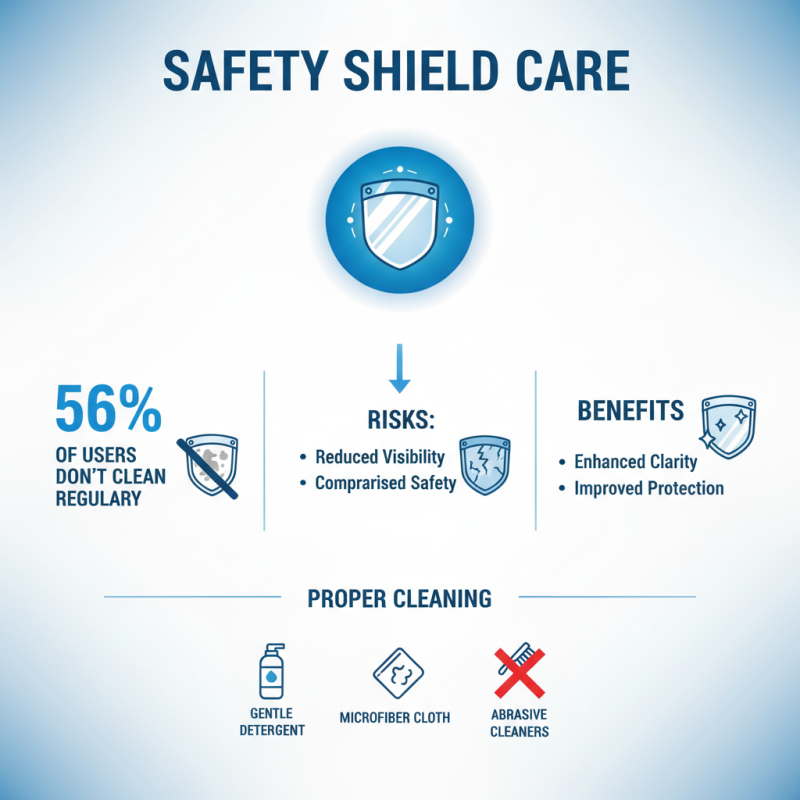
When donning the shield, clean it thoroughly beforehand. Smudges can obstruct visibility and compromise safety. Use mild soap and warm water. After drying, ensure there are no scratches or cracks. These flaws can weaken the shield’s integrity. Take a moment to inspect before use.
Remember, wearing a protection shield isn’t all about the fit. Your posture matters too. Stand or sit upright to keep the shield aligned with your face. Communicate clearly with others while wearing one. It’s easy to forget how muffled your voice can sound. Adjust your volume when speaking. Reflect on your experience regularly. Identify any discomfort and make necessary adjustments.
Common Mistakes to Avoid When Using a Protection Shield
When using a protection shield, awareness is key. Many people forget to check for proper fit. A shield too loose may not provide adequate coverage. Conversely, a tight shield can obstruct vision. Adjusting the shield for comfort is essential. If it slips or feels heavy, it can distract you, increasing the risk of accidents.
Another common mistake is neglecting to clean the shield regularly. Dust and smudges can obscure visibility. A dirty shield compromises safety and effectiveness. Use recommended cleaning solutions for best results. Some users might rush this process, leading to scratches that worsen visibility over time. Additionally, store your shield properly when not in use. Tossing it into bags can cause damage.
Finally, don’t ignore the guidelines for usage. Make sure you know when to wear it. Some environments require it at all times, while others do not. Skipping this can lead to danger. Recognition of these common mistakes can improve overall safety significantly.