Leave Your Message

10 Essential Tips for Choosing Manganese Steel Castings for Your Projects?

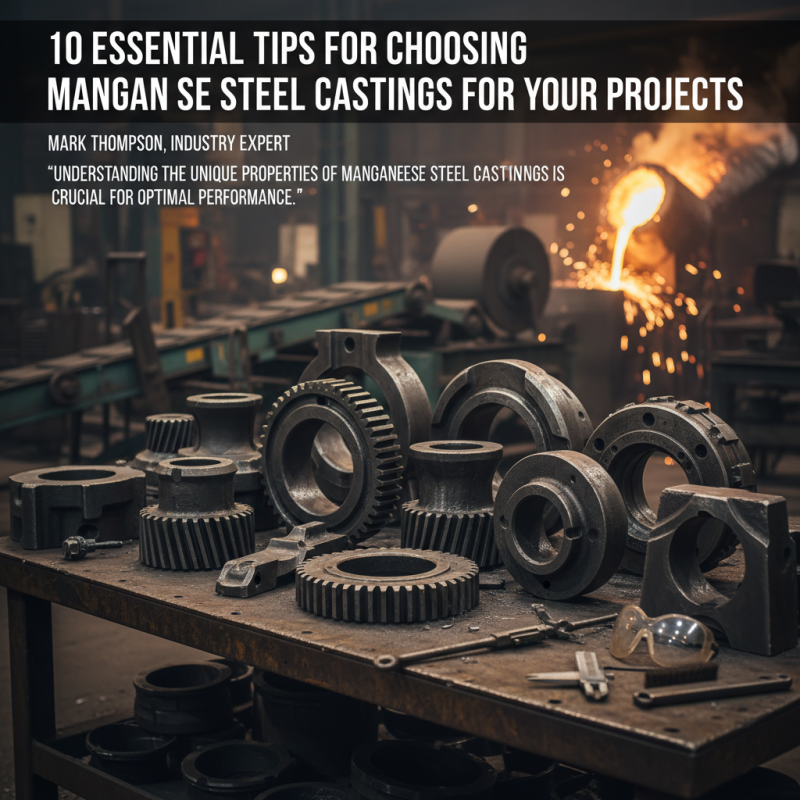
When it comes to selecting Manganese Steel Castings, the decision can significantly impact your project’s success. According to industry expert Mark Thompson, “Understanding the unique properties of Manganese Steel Castings is crucial for optimal performance.” His insight reflects the importance of making informed choices in this specialized field.

Manganese steel is known for its high impact strength and resistance to abrasion. Choosing the right casting involves scrutinizing various factors. The composition, manufacturing process, and application requirements play vital roles. Each of these elements can influence both durability and cost-effectiveness.

However, not all Manganese Steel Castings are created equal. There can be variability in quality between suppliers. It’s imperative to assess their production methods and sourcing practices. Consider how the casting will perform under specific conditions. This reflection leads to more reliable outcomes in your projects. Striving for the right choice can mean the difference between failure and success.
10 Essential Tips for Choosing Manganese Steel Castings for Your Projects?

Understanding Manganese Steel: Properties and Benefits

Manganese steel, also known as Hadfield steel, offers unique properties that make it valuable in various applications. Its high abrasion resistance is one of its standout features. This steel can withstand intense wear, making it ideal for equipment exposed to grinding and impact.

The steel’s toughness comes from its high manganese content, which enhances tensile strength. This means it can absorb significant energy before fracturing. For industries like mining and construction, choosing manganese steel castings can improve durability and extend equipment life. However, finding the right specifications can be challenging. There are variations in manganese percentages and heat treatments, which affect performance.

It’s crucial to consider the specific environment where the material will be used. Some projects may expose castings to extreme conditions, leading to unexpected failures. Regular maintenance and inspection are essential for these applications. Testing material properties prior to selection can also yield better results. Selecting the right manganese steel casting requires careful thought and a clear understanding of project demands.

10 Essential Tips for Choosing Manganese Steel Castings for Your Projects

Tip No. Tip Description Benefits Recommended Applications
1 Understand Manganese Steel Composition High toughness and wear resistance Mining, Construction
2 Choose the Right Grade Improved impact and abrasion resistance Railway, Heavy Equipment
3 Consider Heat Treatment Options Enhanced mechanical properties Quenching and Tempering in Tooling
4 Evaluate the Casting Process Ensured quality and dimensional accuracy Precision Components in Machinery
5 Look for Reputable Suppliers Assured quality control and standards Aerospace, Automotive Components
6 Check for Certifications Compliance with industrial standards Quality Assurance in Manufacturing
7 Assess Cost vs. Performance Optimal investment and value Cost-Effective Production Strategies
8 Identify Required Specifications Meeting specific operational requirements Custom Fabrication Projects
9 Inquire About Warranty and Support Protection against defects and failures Long-Term Investment Security
10 Test Samples Before Final Purchase Verification of performance and quality Critical Applications and Prototypes

Identifying Your Project Requirements for Manganese Steel Castings

When considering manganese steel castings, it’s crucial to clearly identify your project requirements. Begin by evaluating the specific environment where the castings will be used. Factors such as temperature, moisture, and potential impact from external forces can greatly influence the longevity of the castings. For example, applications in heavy machinery demand high resistance to wear and tear. Each project may have unique challenges that necessitate different specifications for durability.

Next, focus on the exact performance needs. Are you looking for castings that can withstand high abrasion? Or do you require components that can absorb shock effectively? Understanding these elements can help avoid costly missteps. Remember, not all manganese steel is created equal. While some types offer remarkable toughness, they might not be suitable for every situation.

It's important to reflect on past projects. Did you face issues due to material choice? Such feedback can guide your current selections. Balancing cost with functionality is essential. Sometimes, opting for a higher quality casting may save costs in the long term, so weigh your options carefully.

Evaluating Supplier Credentials and Quality Assurance Standards

When choosing manganese steel castings, evaluating supplier credentials is crucial. Look for suppliers with proven experience and a solid reputation in the industry. Websites often showcase client testimonials and past projects. However, don’t take these at face value. Dig deeper; contact previous clients for insights. Direct feedback can reveal a lot about a supplier's reliability and quality.

Quality assurance standards can vary widely among suppliers. Check if they have certifications that indicate adherence to industry standards. This might include ISO certification or other relevant qualifications. These certifications often reflect a commitment to maintaining high-quality production processes. Yet, not all suppliers prioritize quality assurance. Sometimes, operational pressure leads to compromises. Be vigilant. Ask about their quality control measures and request details about their inspection processes. This will give you a clearer picture of what to expect.

Analyzing Cost Factors and Budget Considerations

10 Essential Tips for Choosing Manganese Steel Castings for Your Projects?

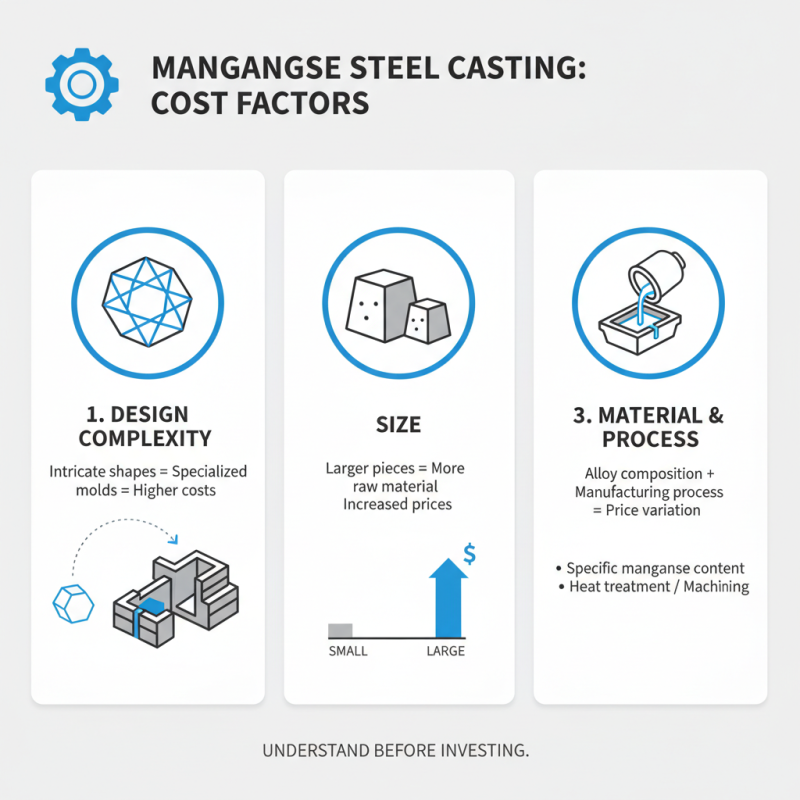
When selecting manganese steel castings, understanding the cost factors is crucial. The price can vary significantly based on several elements. First, the complexity of the casting design influences the cost. More intricate shapes require specialized molds, increasing expenses. Furthermore, the size of the casting affects material costs directly. Larger pieces generally demand more raw material, driving up prices.

Labor costs also come into play. Skilled artisans may be necessary for precise manufacturing. This choice can lead to a higher upfront investment. However, investing in quality can pay off over time. Consideration of the expected lifespan of the castings is vital. Spending less initially could result in more maintenance costs later on.

Think about production volume too. Ordering in bulk may lower individual unit costs. Nonetheless, financial constraints could limit this option. Lastly, it’s important to assess your project's budget realistically. Striking a balance between quality and cost is not straightforward. Reflect on what will truly add value to your project.

Maintenance and Longevity of Manganese Steel Castings in Use

10 Essential Tips for Choosing Manganese Steel Castings for Your Projects?

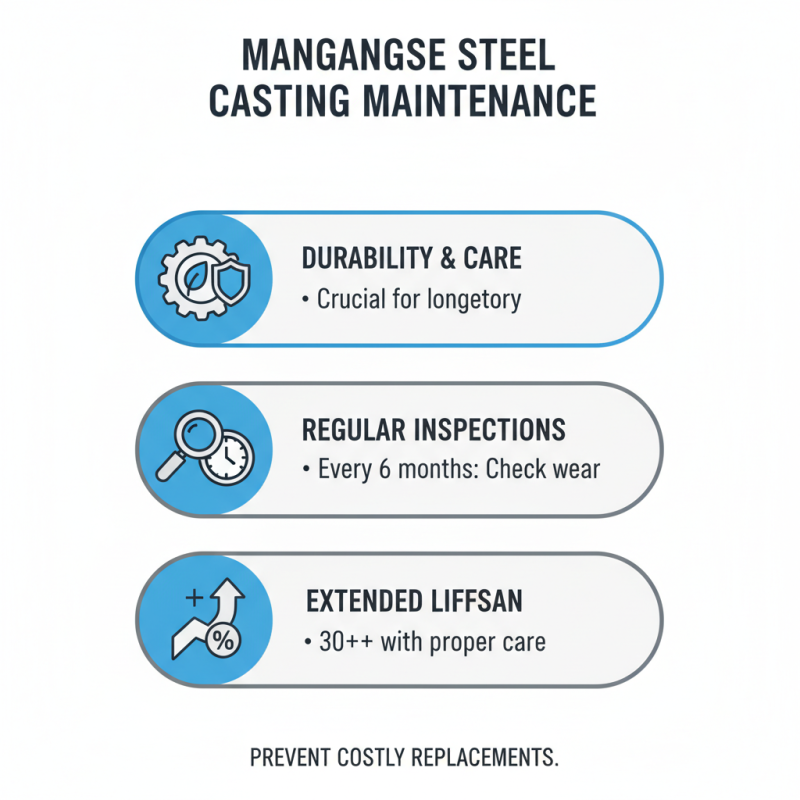
Manganese steel castings have a reputation for durability, but their maintenance is crucial. Regular inspections are essential. Experts recommend checking for wear and tear every six months. This proactive approach can prevent costly replacements. Research shows that proper care can extend the lifespan of manganese steel components by 30% or more.

Cleaning is fundamental. Corrosion can diminish performance. Using non-abrasive cleaners is a good practice. Additionally, lubricating metal joints reduces friction and wear. Data from industry reports indicate that machines maintained this way show a significant reduction in breakdowns. Not maintaining these components can lead to failures, impacting overall productivity.

Unexpected issues can arise during use. Customers often find cracks or misalignments. This can shake confidence in overall reliability. Regular adjustments can mitigate these risks. It's wise to document maintenance activities. Doing so helps catch patterns and informs better decisions over time. Ultimately, the durability of manganese steel castings is as much about ongoing care as it is about the inherent properties of the material itself.