The Evolution of Conveyor Rollers: How Technology is Transforming Material Handling Systems
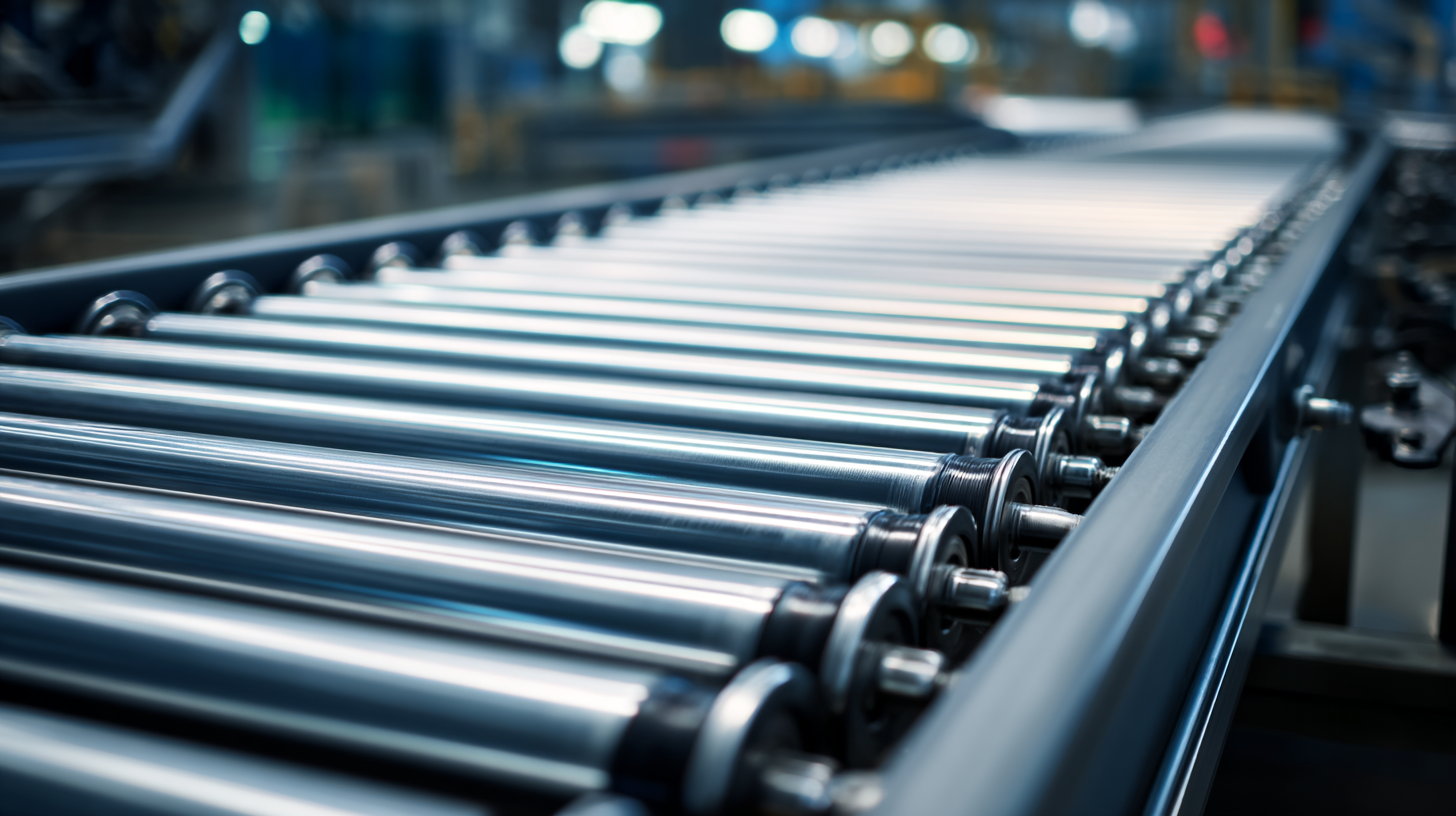
The evolution of conveyor rollers has significantly transformed the landscape of material handling systems, making them more efficient, reliable, and adaptable to various industrial needs. As technology advances, conveyor rollers have become integral components that enhance the performance of conveyor systems across different sectors. This transformation is characterized by the integration of innovative materials, smart technologies, and advanced designs aimed at improving the functionality and longevity of conveyor rollers. By addressing challenges such as material wear, load management, and energy consumption, modern conveyor rollers are not only increasing productivity but also contributing to more sustainable operational practices.
This discussion delves into the various technological advancements driving the evolution of conveyor rollers and explores their impact on the efficiency of material handling processes.
The Role of Conveyor Rollers in Enhancing Efficiency in Material Handling Systems
Conveyor rollers play a crucial role in enhancing efficiency within material handling systems, serving as fundamental components that ensure the smooth movement of goods. According to a report by the Materials Handling Industry of America (MHIA), implementing advanced conveyor systems can improve productivity by up to 30% by facilitating faster and more reliable transportation of materials across varied environments. This increase in efficiency is largely attributable to the innovative designs and materials used in modern conveyor rollers, which reduce friction and wear, allowing for higher load capacities and lower maintenance requirements.
Recent advancements in technology have also led to the development of smart conveyor rollers equipped with sensors that monitor performance and predict maintenance needs. Research from the International Journal of Advanced Manufacturing Technology highlights that integrating such smart technologies can further enhance efficiency, reducing downtime by up to 20%. As businesses increasingly seek to optimize their operational processes, the evolution of conveyor rollers represents a significant shift towards smarter, more responsive material handling systems that not only improve efficiency but also support sustainability by minimizing energy consumption and waste.
Modern Materials: Innovations in Conveyor Roller Production and Their Impact
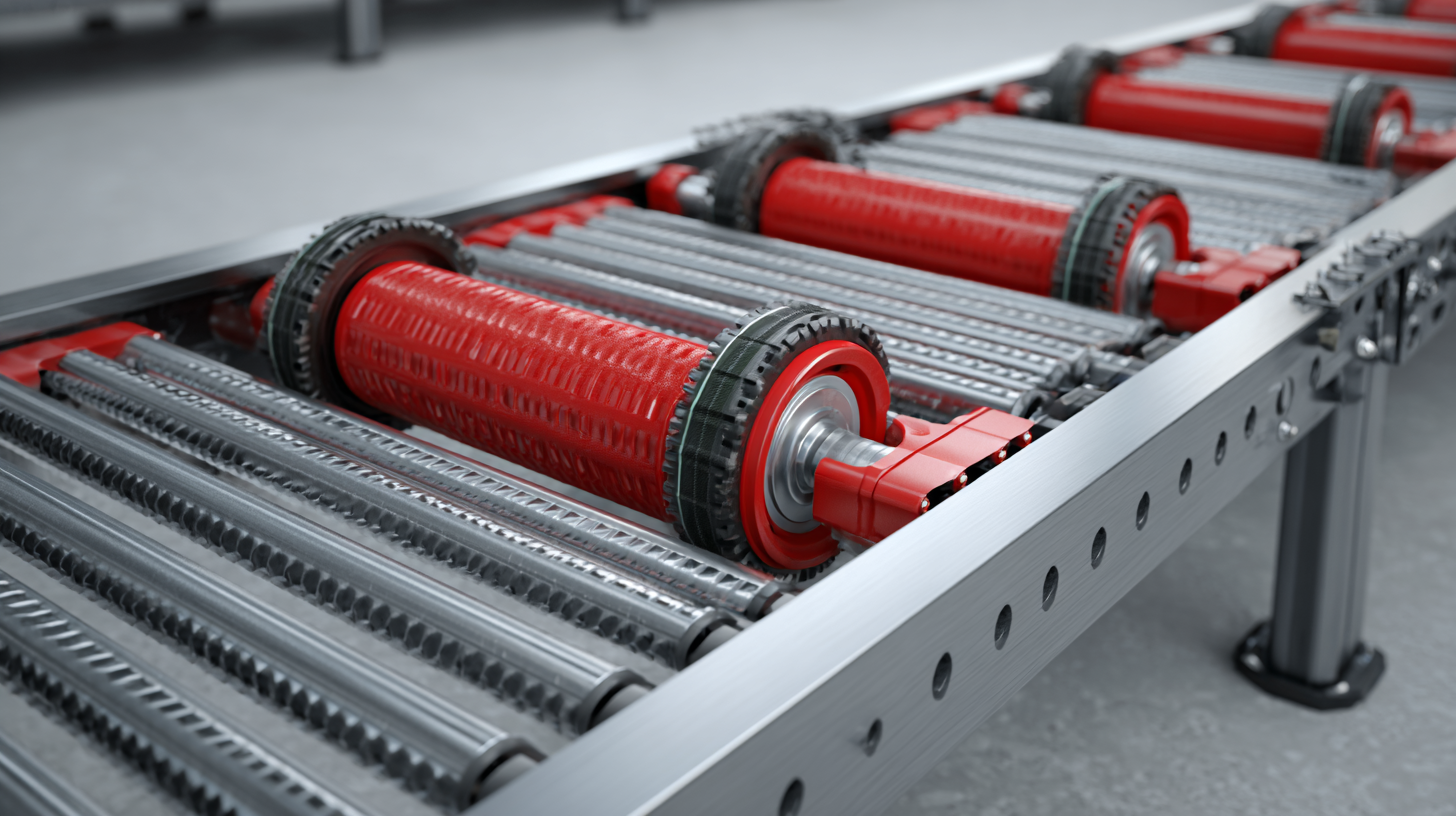
The production of conveyor rollers has undergone significant transformation with the advent of modern materials. Traditional rollers, often made from metal, have been replaced or enhanced by advanced composite materials and plastics that offer superior durability and lighter weight. These innovations not only reduce wear and tear but also enhance the overall efficiency of material handling systems, making them suitable for a wide range of industries.
Moreover, advanced manufacturing techniques such as 3D printing and automation have streamlined the production process, allowing for greater customization and quicker turnaround times. This shift towards precision engineering enables manufacturers to produce rollers that are tailored to specific operational needs while minimizing waste. As a result, the integration of these modern materials and manufacturing methods is reshaping the landscape of conveyor technology, leading to more sustainable practices in the industry.
Technological Advancements: How Automation is Shaping Conveyor Roller Designs
The evolution of conveyor roller technology has been significantly influenced by advancements in automation. According to a report by the Material Handling Industry of America, automated systems are projected to reduce operational costs by up to 30%, making them increasingly desirable for businesses. Modern conveyor rollers are now designed with smart sensors that can monitor performance and detect wear and tear, allowing for predictive maintenance. This not only extends the lifespan of the equipment but also minimizes downtime which is crucial in fast-paced production environments.
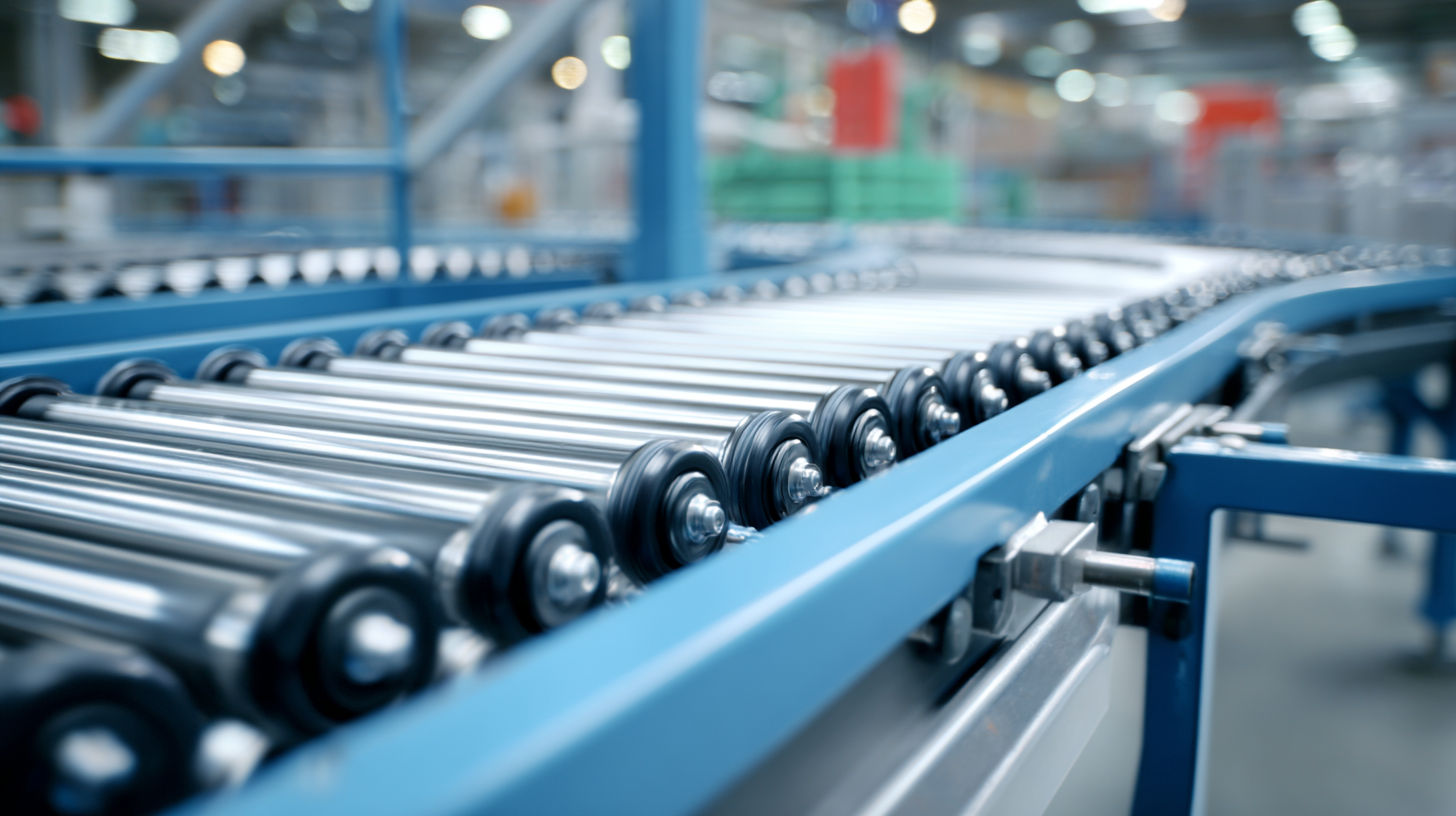
Moreover, the integration of IoT (Internet of Things) in conveyor roller designs is reshaping material handling systems. A study by McKinsey estimates that automation and digital technologies could enhance productivity in material handling by as much as 40%. This shift towards intelligent automation means that conveyor roller systems can be adjusted in real-time to optimize efficiency based on the current workload. Consequently, these technological innovations are not only improving the functionality and reliability of conveyor systems but also enabling a more agile and responsive supply chain.
Market Trends: The Growth of the Conveyor Roller Industry in Recent Years
The conveyor roller industry has witnessed remarkable growth in recent years, driven by advancements in technology and an increasing demand for efficient material handling systems. As companies across various sectors strive to enhance their operational efficiency, the implementation of advanced conveyor roller solutions has become critical. Innovations such as the integration of smart technology into conveyor systems enable real-time monitoring and enhanced performance, further propelling the industry's expansion.
Additionally, the rise of e-commerce and global supply chains has significantly boosted the demand for reliable and scalable material handling solutions. Conveyor rollers are essential components in warehouses and distribution centers, helping to streamline processes and reduce labor costs. Furthermore, sustainability has become a driving force, with manufacturers focusing on eco-friendly materials and energy-efficient designs. This shift towards greener technologies not only supports regulatory compliance but also appeals to environmentally conscious consumers, ensuring continued growth and relevance in the competitive marketplace.
Sustainability in Material Handling: Eco-Friendly Conveyor Roller Solutions and Practices
As sustainability becomes increasingly vital in various industries, the material handling sector is also embracing eco-friendly practices. Conveyor roller systems, fundamental to efficient logistics, are witnessing significant technological advancements aimed at reducing environmental impact. Innovations such as recyclable materials and energy-efficient motors are at the forefront of this transformation. Manufacturers are focusing on creating rollers that last longer and require minimal energy, which not only cuts operational costs but also decreases carbon footprints.
Tip: When selecting conveyor roller systems, look for products made from recycled materials. Opting for rollers with energy-efficient designs can make a substantial difference in your overall energy consumption.
Additionally, regular maintenance and the use of advanced monitoring systems can extend the life of these conveyor components, reducing waste over time. By adopting such sustainable practices, companies can contribute to a greener future while also benefiting economically from reduced energy and maintenance costs.
Tip: Implement a scheduled maintenance routine to keep conveyor roller systems operating at peak efficiency, thus minimizing their environmental impact.
The Evolution of Conveyor Rollers: Sustainability in Material Handling