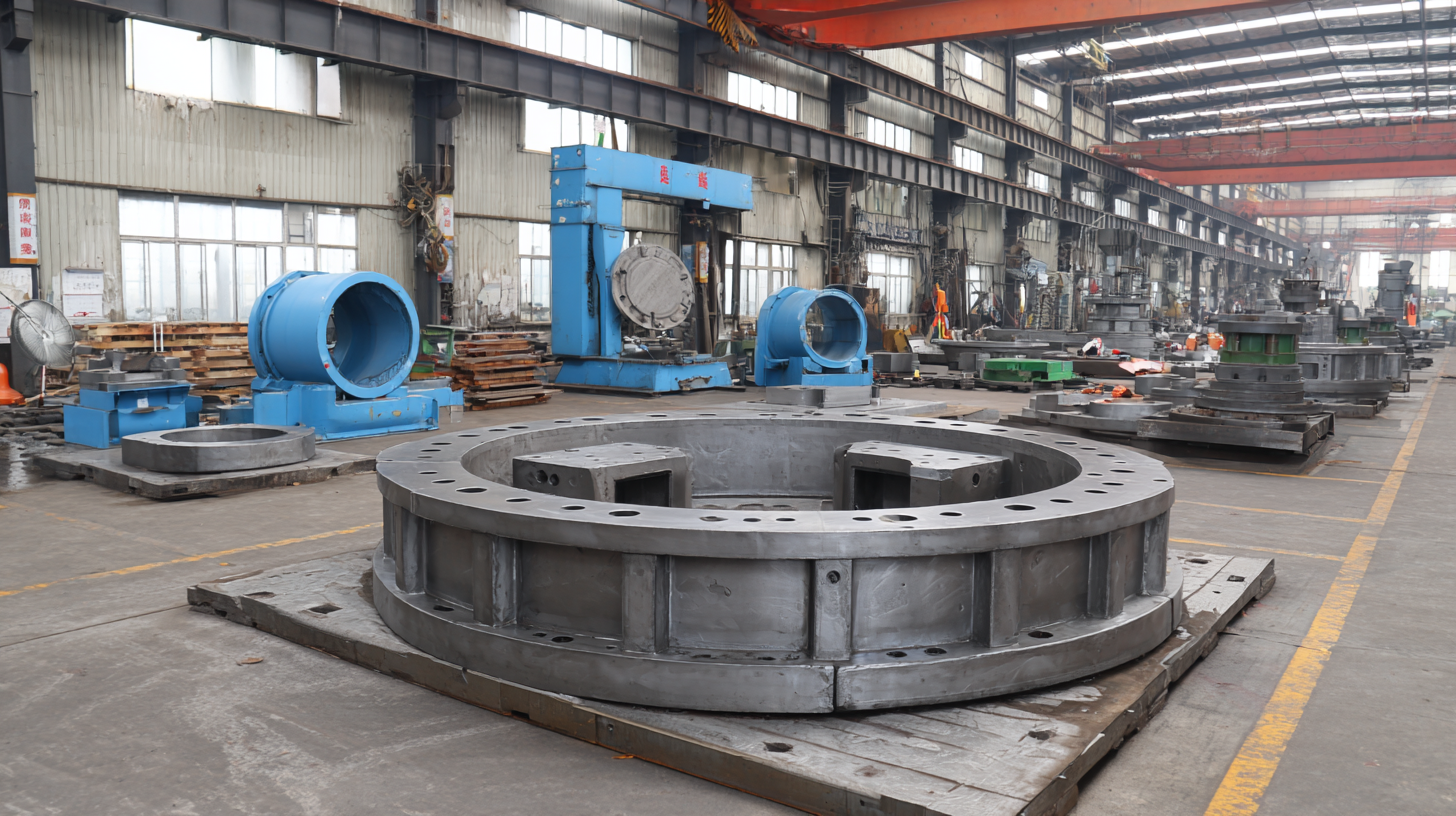
Exploring the Future of Wear Resistant Steel Castings in Heavy Industry Applications
The development and application of Wear Resistant Steel Castings have gained significant attention in heavy industry, driven by the increasing demand for enhanced durability and longevity of equipment under extreme operational conditions.
According to a recent report by Grand View Research, the global market for wear-resistant materials is projected to reach USD 8.1 billion by 2025, highlighting a robust growth trajectory catalyzed by industries such as mining, construction, and manufacturing.
As heavy machinery and equipment face continuous wear from abrasive materials and harsh environments, the role of Wear Resistant Steel Castings becomes pivotal.
These advanced materials not only extend the lifecycle of components but also reduce maintenance costs, offering a competitive edge in operational efficiency.
With ongoing advancements in metallurgical technologies and casting techniques, the future of Wear Resistant Steel Castings promises significant innovations aimed at meeting the evolving demands of heavy industries.
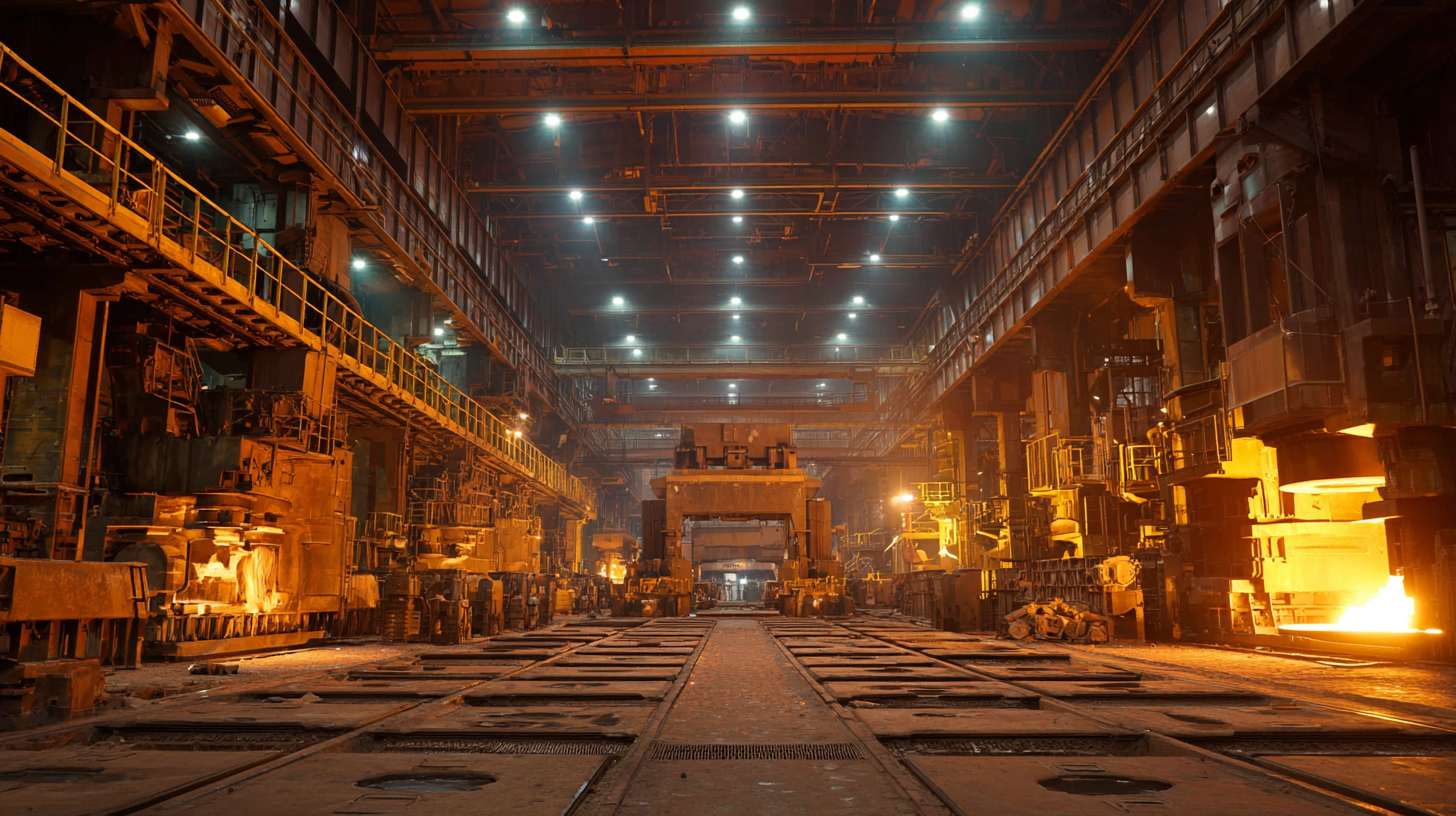
Identifying Key Properties of Wear Resistant Steel for Heavy Industry Applications
Wear resistant steel castings play a crucial role in heavy industry applications, where durability and performance are paramount. Key properties of wear resistant steel include hardness, toughness, and resistance to impact and abrasion. According to a recent report by MarketsandMarkets, the global wear resistant steel market is projected to reach USD 4.21 billion by 2025, with an annual growth rate of 6.3%. This growth can be attributed to the increasing demand for high-performance materials in sectors such as mining, construction, and manufacturing.
The hardness of wear resistant steel typically falls within the range of 400 to 700 Brinell hardness (HB), providing exceptional resistance to deformation and wear. Additionally, the toughness of these materials, measured through Charpy impact tests, shows remarkable performance even under extreme conditions. For instance, steel castings with a hardness of 500 HB can significantly extend equipment life in applications involving abrasive materials, reducing maintenance costs and downtime. With advancements in metallurgy, innovations such as the use of alloying elements like chromium and manganese are further enhancing the mechanical properties of these materials, pushing the limits of wear resistance in demanding environments.
Exploring the Future of Wear Resistant Steel Castings in Heavy Industry Applications
| Property |
Description |
Typical Value |
Importance in Heavy Industry |
| Hardness |
Resistance to deformation and wear under load. |
50-65 HRC |
Critical for high abrasion environments. |
| Strength |
Ability to withstand heavy loads without failure. |
700-1000 MPa |
Essential for structural integrity. |
| Toughness |
Resistance to fracture and failure under impact. |
30-45 J |
Prevents catastrophic failures in dynamic loading conditions. |
| Corrosion Resistance |
Ability to resist oxidation and degradation. |
Varies by alloy composition |
Vital for components exposed to erosive environments. |
| Wear Resistance |
Resilience against abrasive particles and surfaces. |
High dependent on surface treatment |
Key to longevity of machinery parts. |
Assessing the Impact of Advanced Casting Techniques on Wear Resistant Steel
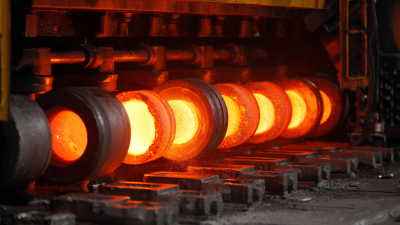
The advancements in casting techniques significantly influence the performance and applicability of wear-resistant steel castings in heavy industry. Modern methods such as cold crucible induction melting (CCIM) and laser surface engineering are paving the way for improved material properties. CCIM, for instance, facilitates the creation of in situ metal matrix composites, enhancing the structural integrity and wear resistance of the cast materials. This novel approach allows for precise control over the microstructure, thereby optimizing the mechanical performance of the components used in demanding environments.
Tips: When selecting wear-resistant steel castings, consider the type of alloy and casting technique used. Higher carbon content can enhance wear resistance, but a delicate balance must be maintained to avoid brittleness. Additionally, utilizing laser treatments can provide an extra layer of hardness, further extending the lifespan of critical components in heavy industrial applications.
As the market for iron and steel castings is projected to reach USD 254.5 billion by 2035, it is crucial for industry players to stay abreast of these innovations. The integration of advanced casting techniques not only meets the increasing demand for durability in harsh working conditions but also aligns with the broader trend of technological advancement driving heavy industry forward.
Integrating Wear Resistant Steel Castings into Heavy Machinery Design
The integration of wear resistant steel castings into heavy machinery design signifies a transformative approach in the heavy industry sector. As the demand for durable and efficient machinery rises, designers and engineers are increasingly prioritizing the incorporation of advanced materials that can withstand harsh operational environments. Wear resistant steel castings provide superior hardness and toughness, enabling machinery components to resist abrasion, impact, and corrosion. This not only extends the lifespan of the equipment but also enhances overall performance and reliability.
Moreover, the adoption of these materials facilitates innovative design solutions that can lead to weight reduction and improved energy efficiency. By utilizing wear resistant steel castings, manufacturers can create components that maintain structural integrity under extreme conditions, allowing for the development of more compact and lightweight machinery. As heavy machinery continues to evolve, the seamless integration of these advanced materials will play a crucial role in meeting safety standards, reducing maintenance costs, and optimizing operational efficiency, ultimately leading to enhanced productivity in heavy industry applications.
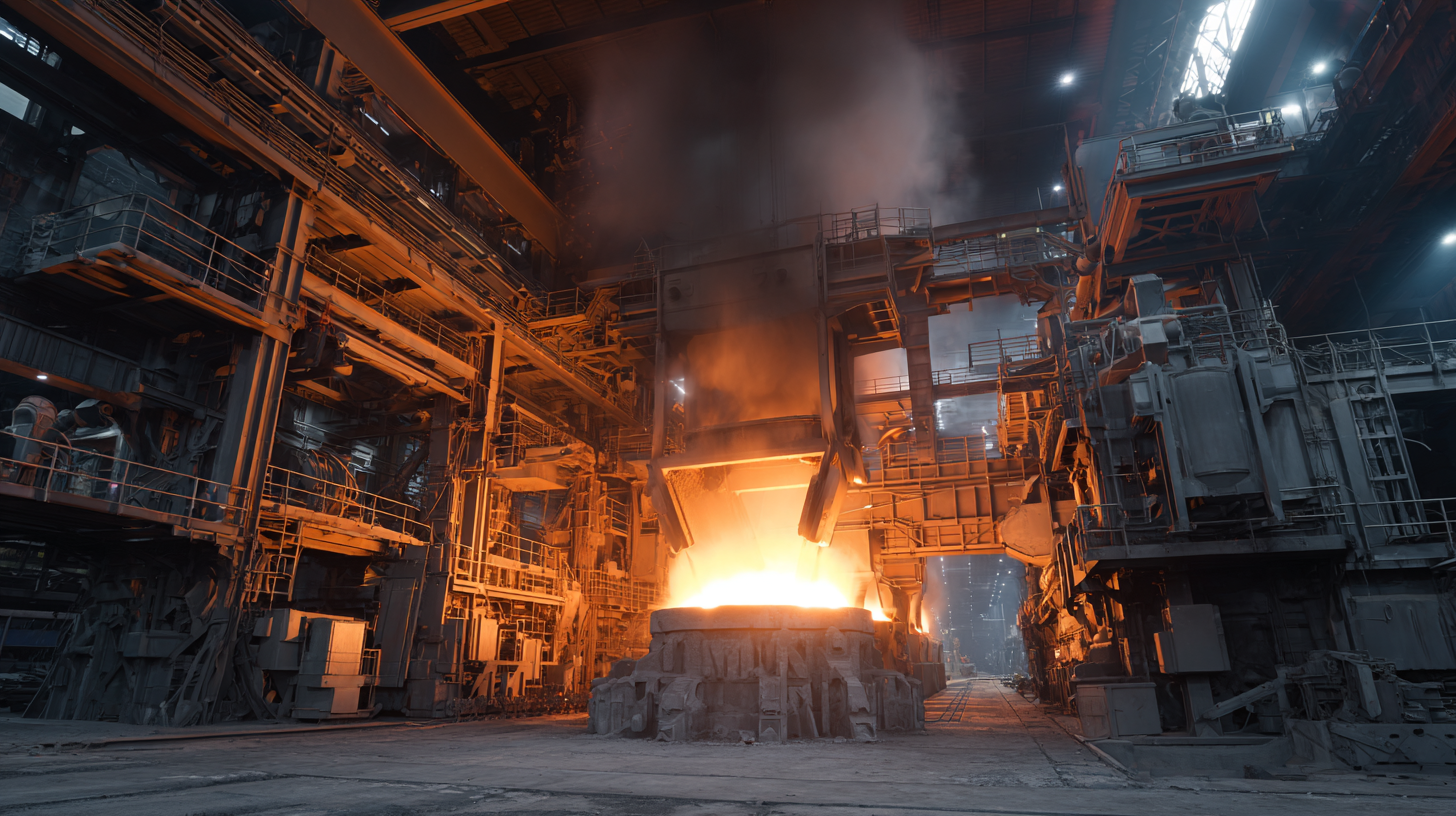
Evaluating the Cost-Benefit Analysis of Using Wear Resistant Steel in Manufacturing
The integration of wear-resistant steel castings in heavy industry applications presents a significant opportunity for enhancing manufacturing efficiency and product longevity. A thorough cost-benefit analysis is essential to evaluate whether the initial investment in wear-resistant steel will pay off through increased durability and reduced maintenance costs. For example, the ongoing research into the wear resistance of steel slag aggregates highlights the importance of material properties in optimizing performance and lifespan.
Tips: When considering wear-resistant materials, focus on the specific conditions under which they will operate. Engage in a thorough evaluation of previous case studies, including those that utilize advanced manufacturing techniques like additive production, to understand the potential returns on investment. Additionally, employing methodologies such as the Six Sigma model can help in making informed decisions regarding quality improvements and overall process optimization.
Furthermore, exploring alternatives like bulk metallic glasses in manufacturing high-performance components could also yield substantial cost savings. Industries such as automotive and aerospace will benefit from evaluating these innovations and determining their long-term viability against traditional materials. Understanding the full life cycle costs associated with these materials can provide a clearer picture of their economic impact in high-stakes environments.
Future Trends in Wear Resistant Steel Development for Heavy Industrial Use
The future of wear-resistant steel castings in heavy industry applications is poised for significant advancements, driven by ongoing technical innovations. As highlighted in recent discussions within the industry, particularly by the leaders of the Chinese foundry sector, the trend toward modernization and technological integration is crucial. Current reports indicate that the wear-resistant steel market is projected to grow at a CAGR of over 6% in the next five years, with a strong focus on enhancing product durability and efficiency in demanding industrial environments.
In the realm of wear-resistant steel development, several key trends are emerging. First, the shift towards environmentally friendly manufacturing processes is gaining momentum. Industry players are increasingly adopting eco-friendly materials and techniques that reduce carbon footprints. Additionally, the incorporation of advanced alloys and coatings is expected to improve the lifespan of steel products, thus minimizing maintenance costs and downtime.
Tips:
- Investing in R&D for innovative materials can yield significant long-term savings.
- Collaborating with technology partners can enhance product development and market competitiveness.
- Staying informed about industry standards and sustainability practices is essential for compliance and market relevance.