Leave Your Message

What is High Chromium White Cast Iron and its Applications?

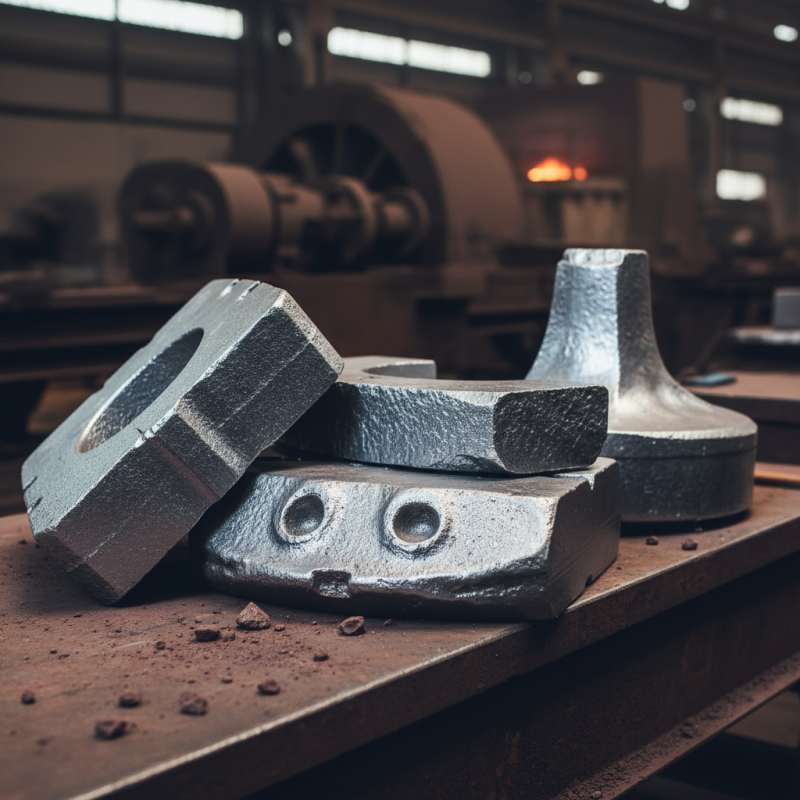
High Chromium White Cast Iron is a unique material widely used in various industries. Known for its high hardness and excellent wear resistance, it finds application in mining, mineral processing, and other heavy-duty environments. The distinctive properties of High Chromium White Cast Iron make it ideal for components that face severe abrasion.

Manufacturers appreciate its ability to withstand harsh conditions. However, the production process is not without challenges. Achieving the right balance of chromium content can be tricky. Too much chromium can lead to brittleness, while too little may reduce wear resistance. Thus, precision is vital in creating this alloy.

Applications range from crusher parts to liners and blades. These components play critical roles in machinery. The longevity of High Chromium White Cast Iron makes it cost-effective in the long run. Yet, the necessity for regular evaluations in its performance cannot be overlooked. Continuous improvement is always needed to maximize its potential.
What is High Chromium White Cast Iron and its Applications?

High Chromium White Cast Iron: Definition and Composition

What is High Chromium White Cast Iron and its Applications?

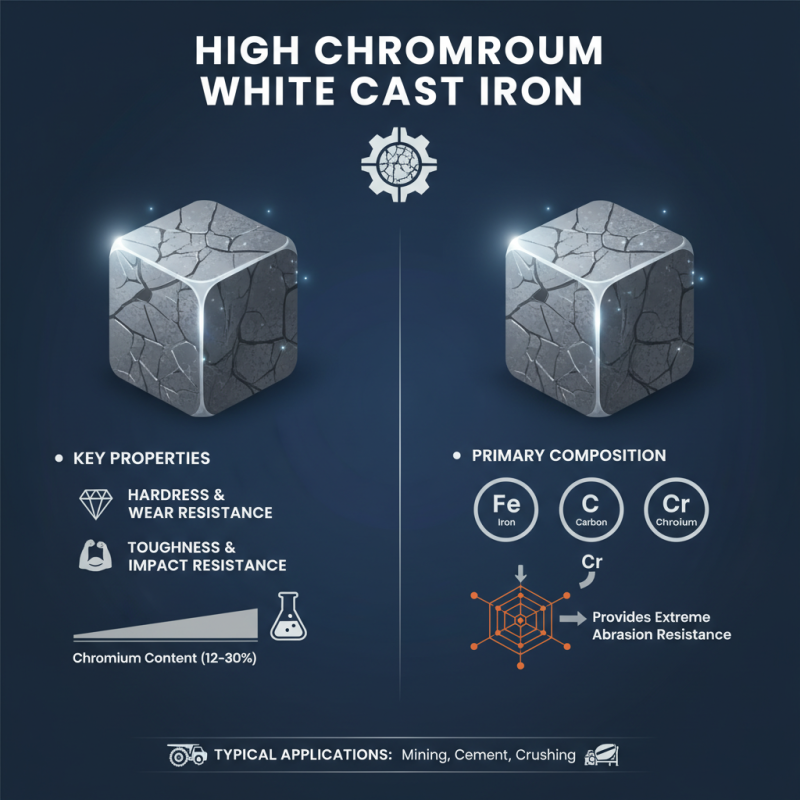
High chromium white cast iron is a unique alloy known for its hardness and wear resistance. It primarily consists of iron, carbon, and chromium. The high chromium content, usually between 12% to 30%, is what gives it its exceptional toughness. This composition allows it to withstand extreme abrasion and impact, making it ideal for several applications.

The microstructure of high chromium white cast iron contains carbides, which contribute significantly to its hardness. These carbides can vary in shape, from sharp to rounded, impacting the material's performance. The manufacturing process is crucial. If not done correctly, the balance of elements can lead to brittleness. This is a key factor to consider when working with this material.

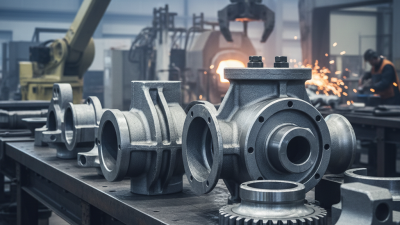
In practical applications, high chromium white cast iron is often used in mining, construction, and processing industries. Components such as crusher parts, grinding media, and high-wear liners benefit from its properties. However, identifying the right balance of hardness and toughness is a challenge. Engineers must continuously refine their approach to ensure the material meets the demands of specific tasks.
Microstructure Characteristics of High Chromium White Cast Iron

High Chromium White Cast Iron is known for its wear resistance. Its microstructure contains a complex matrix of carbide and austenite phases. This unique combination gives it high hardness and strength, making it ideal for various applications.

The microstructure typically includes Cr7C3 carbides, which play a crucial role in providing hardness. These carbides form during solidification and contribute to the material's toughness. The size and distribution of these carbides can vary. Variations can affect the performance of the final product. Adjusting cooling rates and alloying elements influences the microstructure significantly.

Tips: When selecting High Chromium White Cast Iron for specific applications, consider the operational environment. The type of wear and stress will determine the best microstructure for your needs. Look closely at the carbide morphology to make an informed choice.

The challenging aspect of using this material lies in processing. The hardness can complicate machining. Controlled grinding and cutting tools are essential for effective fabrication. Small details in the microstructure can have a big impact. Understanding these nuances can optimize the final performance of components made from this alloy.

Mechanical Properties and Wear Resistance of High Chromium White Cast Iron

High Chromium White Cast Iron (HCWCI) is recognized for its exceptional mechanical properties and wear resistance. It contains over 12% chromium, which significantly enhances its hardness and strength. When subjected to high-stress environments, HCWCI demonstrates a remarkable ability to resist abrasion and impact. Reports indicate that HCWCI can achieve a hardness of up to 62 HRC, which makes it suitable for applications involving heavy wear.

The wear resistance of HCWCI is a key reason for its use in industries such as mining and construction. Studies show that parts made from HCWCI can withstand several times more wear than traditional cast iron. For example, in grinding applications, HCWCI components can last up to 30% longer than their carbon steel counterparts. This long service life translates to reduced downtime and lower maintenance costs. However, some users report challenges in machining HCWCI due to its hardness, leading to increased tool wear and processing difficulties.

Despite its advantages, HCWCI is not without issues. The brittleness associated with high chromium content can lead to crack propagation under certain conditions. Understanding the right balance of chromium and other alloying elements is crucial. Ongoing research aims to optimize these properties, making HCWCI more versatile in various applications. The development of tougher, yet still wear-resistant formulations is a focus that could broaden its industrial use.

Common Applications of High Chromium White Cast Iron in Industry

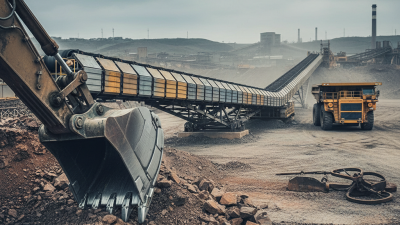
High Chromium White Cast Iron is known for its remarkable hardness and wear resistance. These properties make it an ideal choice for a wide variety of applications across different industries. One common application is in the mining sector. High Chromium White Cast Iron is used in the production of crusher parts and grinding media. These components must withstand harsh conditions, and this iron alloy performs exceptionally well under such stress.

In the construction industry, it often finds use in excavators and heavy machinery components. Its durability helps to reduce wear and tear, prolonging the machinery's lifespan. Yet, the production process can sometimes lead to inconsistencies. Striking a balance between durability and workability remains a challenge. Moreover, while high chromium content provides strength, it can complicate casting and machining processes.

Another area of application is in the manufacturing of wear-resistant parts for the steel industry. It can be used in ladles and transfer ladles. These parts endure extreme temperatures and mechanical shock. However, the high costs associated with this material can be a concern for some manufacturers. It's crucial to weigh the benefits against potential drawbacks, ensuring the right choice is made for specific needs.

What is High Chromium White Cast Iron and its Applications?

Application Area Type of Use Advantages Typical Features
Mining Industry Crushing Equipment High wear resistance Hardness up to 700 BHN
Cement Industry Ball Mills Excellent impact strength Corrosion resistance
Power Generation Ash Handling Equipment Resilience to thermal shock Stable at high temperatures
Metal Recycling Shredders Durable under harsh conditions Extended service life
Heavy Equipment Chassis and Frames High tensile strength Lightweight yet strong

Comparative Analysis with Other Types of Wear-Resistant Materials

High Chromium White Cast Iron is known for its excellent wear resistance. It's often used in heavy-duty applications like mining and construction. But how does it compare to other wear-resistant materials?

When we look at alternatives, several materials come to mind. Steel alloys may have strength, but they often lack the hardness needed for extreme wear situations. Ceramic materials, on the other hand, excel in hardness but can be brittle. This brittleness could lead to unexpected failures under shock loading. High Chromium White Cast Iron finds a balance. It offers remarkable hardness while still maintaining toughness.

Its ability to endure abrasive conditions is impressive. In many industries, failure during operations can lead to significant downtime. High Chromium White Cast Iron minimizes this risk. Yet, it's essential to consider its limitations, like susceptibility to corrosion in specific environments. This can be an oversight in selecting the right material. Understanding each type leads to better decisions in wear-resistant applications.

Comparative Wear Resistance of High Chromium White Cast Iron and Other Materials