What is High Wear Resistance Steel and its Applications?
High Wear Resistance Steel is a critical material in many industries. This specialized steel is designed to withstand harsh conditions and heavy wear. In the words of Dr. John Smith, a leading expert in metallurgy, "High Wear Resistance Steel changes the way we think about durability in industrial applications."
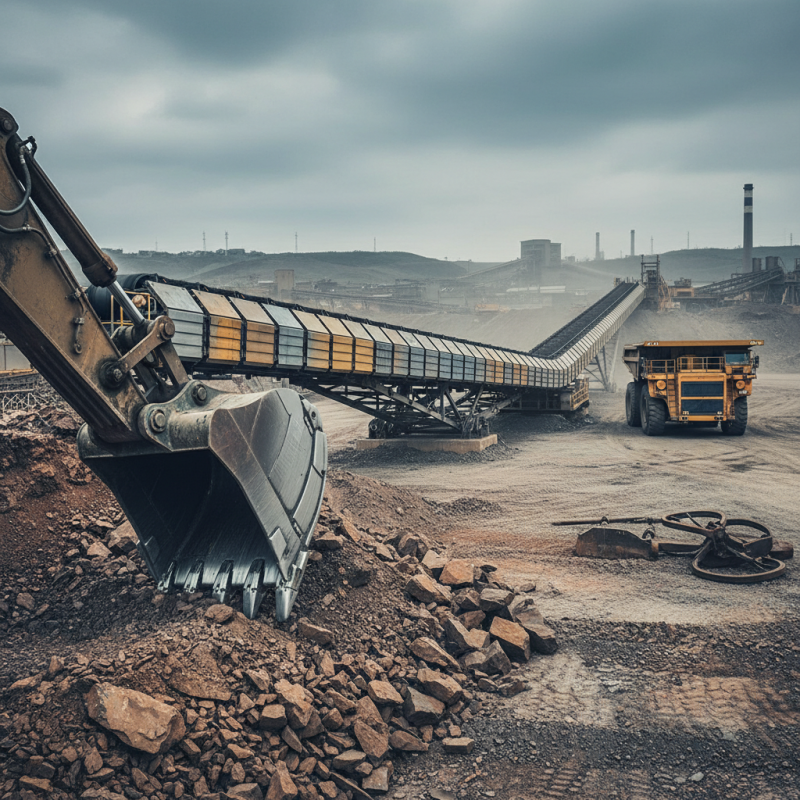
This material is essential in mining, construction, and manufacturing. It enhances machinery lifespan and reduces operational costs. Manufacturers use it in creating components like excavator buckets and conveyor belts. The applications are vast, but not without challenges.
Despite its benefits, some may overlook the complexity of selecting the right type. Not all high wear resistance steels are the same. Each application may require specific properties, which can often be misunderstood. Proper understanding and implementation are necessary for peak performance. Making a wrong choice can lead to increased wear and unexpected failures. The industry must continue addressing these complexities to fully leverage the potential of High Wear Resistance Steel.
What is High Wear Resistance Steel?
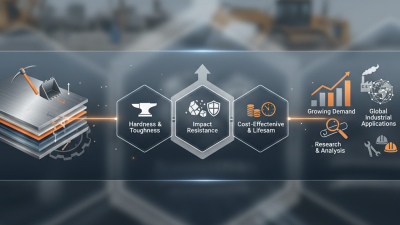
High wear resistance steel is a specialized material designed to withstand wear and abrasion. It comprises a blend of alloying elements that enhance its hardness and toughness. This steel is often used in industries that deal with heavy machinery and harsh environments. It is notable for its ability to endure extreme conditions while maintaining its integrity.
Applications of high wear resistance steel include mining equipment, construction tools, and agricultural implements. These industries require materials that can survive the rigors of constant use. Machinery parts made from this steel are less prone to failure, reducing downtime and maintenance costs.
Tip: Consider the specific conditions your equipment will face. High temperatures or corrosive environments may require additional considerations.
Additionally, selecting the right type of high wear resistance steel is crucial. Mismatched applications can lead to unexpected failures. Proper assessment of the application requirements is necessary to ensure the best performance.
Tip: Always consult with industry experts if unsure about the material needed. Making the right choice can prevent costly mistakes.
Properties of High Wear Resistance Steel
High wear resistance steel is essential in many industries. Its unique properties make it versatile for demanding applications. This type of steel boasts exceptional hardness.
It can withstand abrasive wear, even under significant pressure. This durability extends the lifespan of machinery and tools.
The key properties of high wear resistance steel include excellent tensile strength. This strength ensures that the steel maintains its shape over time. It also has high impact toughness. This toughness prevents cracks and failures under shock loads.
Resistance to wear can affect production efficiency. Lower wear means reduced downtime for maintenance and repairs.
Such steel is commonly used in mining, construction, and manufacturing. For example, diggers and crushers benefit from this material. However, not all applications may need this high level of resistance. Some may find it cost-prohibitive.
Choosing the right balance between cost and performance is crucial. Each application has its own requirements. Understanding these factors can lead to better outcomes, but it's easy to overlook them.
Manufacturing Processes for High Wear Resistance Steel
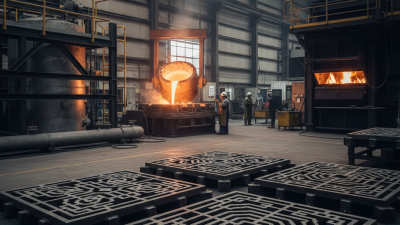
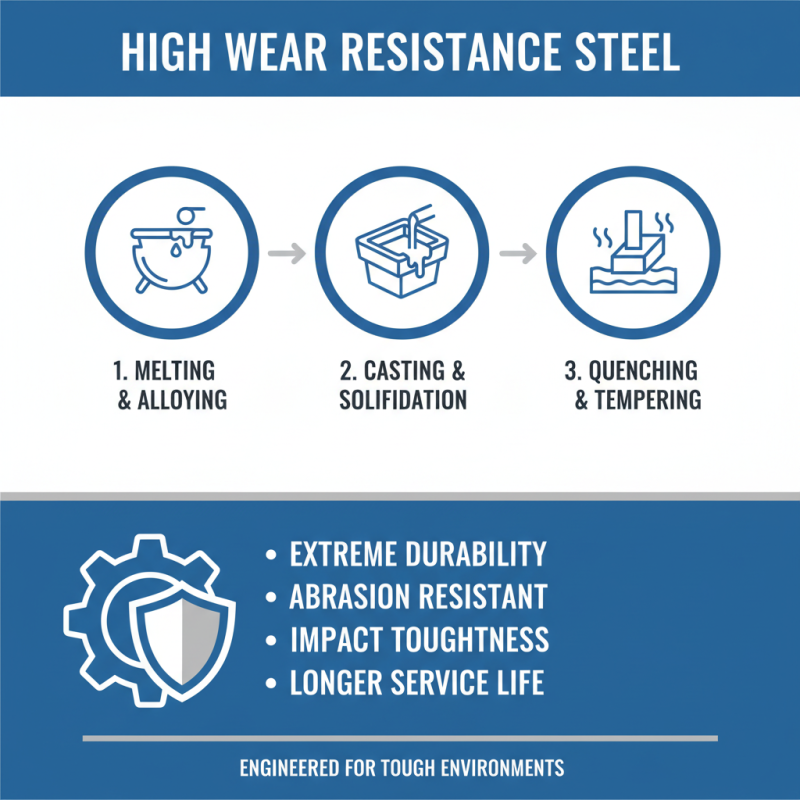
High wear resistance steel is engineered to withstand extreme conditions. Its manufacturing process is crucial in determining its properties. This steel typically goes through several steps, including melting, casting, and quenching. Each stage contributes to its durability and performance.
Melting begins with high-quality raw materials. The choice of alloys impacts the final product. After melting, the steel is cast into shapes. This phase must maintain strict temperature controls to avoid defects. Next, quenching introduces rapid cooling. This enhances hardness but may also introduce stresses. Sometimes, these stresses lead to unforeseen issues, requiring careful evaluation.
After quenching, tempering adjusts the hardness levels. It balances toughness and hardness. This process is vital, but it can be challenging. Some manufacturers struggle to achieve optimum results. Improper tempering may result in brittle steel. Each step in the manufacturing process requires precision and attention to detail. Small mistakes can lead to significant performance issues, highlighting the need for consistent quality control.
Common Applications of High Wear Resistance Steel
High wear resistance steel is designed to withstand significant abrasion. Its unique composition allows it to endure tough conditions. This makes it highly valuable in various industries.
Common applications include mining, construction, and manufacturing. In mining, high wear resistance steel is used for equipment like shovels and conveyor belts. These components face harsh environments daily. Similarly, in construction, this type of steel is found in heavy machinery. It helps reduce maintenance costs and prolongs equipment life.
In manufacturing, wear-resistant plates are often used in high-impact areas. They protect against damage and extend the lifespan of machines. However, issues can arise if the material is not properly tested. Poor quality steel may lead to unexpected failures. Ensuring the right specifications is crucial for optimal performance. Each application requires careful consideration to maximize benefit.
Advantages of Using High Wear Resistance Steel in Industry
High wear resistance steel has become a game-changer in various industries. Its exceptional durability allows machinery and tools to work efficiently under harsh conditions. This steel type typically exhibits a hardness level exceeding 60 HRC, making it ideal for applications like mining and construction. The ability to withstand abrasion significantly reduces maintenance costs. Notably, industries report a decrease in equipment failures by up to 30% when using high wear resistance steel.
One major advantage is its weight-to-strength ratio. This quality enables manufacturers to create lighter structures without compromising strength. As a result, companies can innovate designs that enhance performance. Studies suggest that using high wear resistance steel can extend the lifecycle of machinery by about 40%, ultimately leading to lower operational costs.
Tip: Always consider the specific environment where the steel will be used. Factors like temperature and humidity can affect performance.
While high wear resistance steel offers significant benefits, it’s important to note its limitations. For instance, it may be more brittle than other steel types. This brittleness can lead to unexpected breakage under certain conditions. It's vital to conduct thorough testing to identify suitable applications and ensure reliability.
Tip: Regular inspections and maintenance are crucial when using high wear resistance steel to mitigate potential issues.