What is Nickel Alloy and Why Is It Important for Procurement?
Nickel alloy, a crucial material in various industries, plays a significant role in procurement decisions. According to a 2023 report by the International Nickel Study Group, the global demand for nickel alloys is expected to increase by 5% annually. This growth highlights the necessity of understanding these materials for procurement professionals.
Industry expert Dr. Emily Chen once stated, "Nickel alloy's unique properties make it indispensable in high-performance applications." These alloys resist corrosion and extreme temperatures, making them vital in aerospace and energy sectors. However, procuring the right nickel alloy can be challenging. There are numerous grades and specifications to consider, which may lead to confusion.
Buyers must strive for clear communication with suppliers. Misunderstandings can result in costly errors. It’s essential to keep abreast of market trends and quality standards. As many companies face supply chain disruptions, the importance of reliable procurement cannot be overstated. Failure to adapt can lead to operational setbacks. Understanding nickel alloys is not just beneficial; it’s imperative for success in today’s competitive market.

Definition and Composition of Nickel Alloys
Nickel alloys are materials composed primarily of nickel, which is often combined with other metals. These alloys have unique properties that make them valuable across many industries. Common elements found in nickel alloys include chromium, copper, iron, and molybdenum. These components enhance strength, corrosion resistance, and thermal stability. Understanding the specific composition is crucial for applications in aerospace, marine, and chemical processing.
The significance of nickel alloys in procurement cannot be overstated. These materials offer reliability under extreme conditions. For example, they maintain integrity in high-temperature environments. However, sourcing these alloys may come with challenges. Variations in alloy grades can lead to confusion about the best choice for a project. Additionally, fluctuating nickel prices can impact procurement strategies.
Proper knowledge of nickel alloy compositions aids in making informed decisions. Knowing the specific needs of a project is essential. A deep understanding of material characteristics helps avoid costly mistakes. However, balancing cost with performance can be tricky. Companies must evaluate long-term benefits against immediate expenses. Reflecting on these nuances can lead to smarter procurement choices.
Key Properties and Characteristics of Nickel Alloys
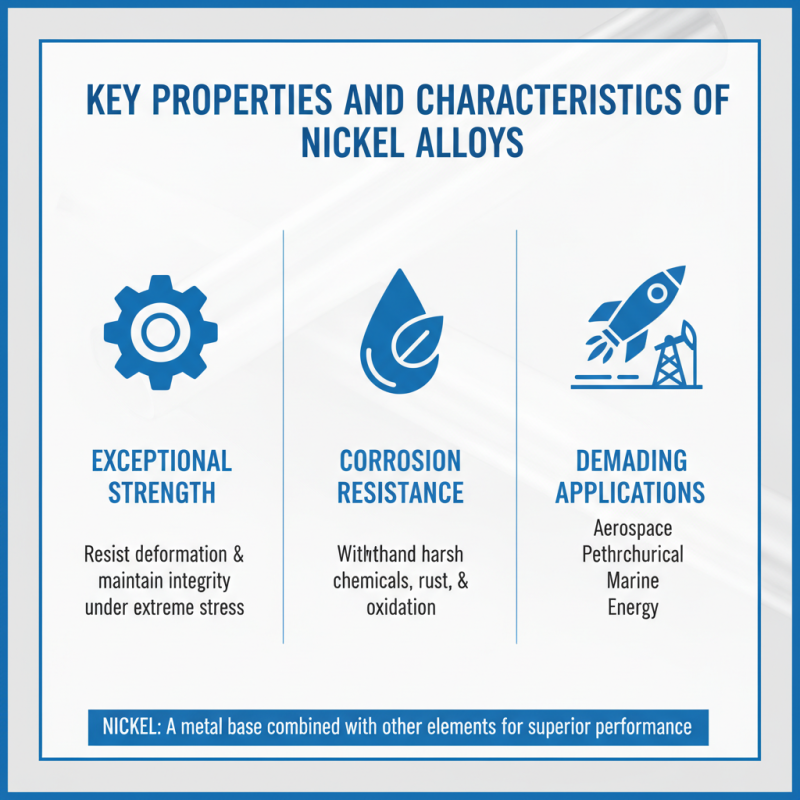
Nickel alloys are a group of metals known for their exceptional strength and resistance to corrosion. They contain nickel as a significant component, mixed with other elements. This combination yields unique properties that make them suitable for demanding applications. Industries such as aerospace, petrochemical, and marine rely heavily on nickel alloys.
One key characteristic is their high-temperature stability. Many nickel alloys can maintain their integrity even in extreme environments. This ability ensures equipment remains reliable and safe. Corrosion resistance is another vital property. For example, nickel alloys withstand harsh substances, making them ideal for chemical processing.
However, procurement professionals often face challenges in sourcing these materials. The prices can fluctuate, influenced by nickel market dynamics. Not all suppliers offer the same quality, which can complicate purchasing decisions. It's crucial to evaluate the specifications needed for each application. A thorough understanding of these materials will lead to better procurement choices.
Applications of Nickel Alloys in Various Industries
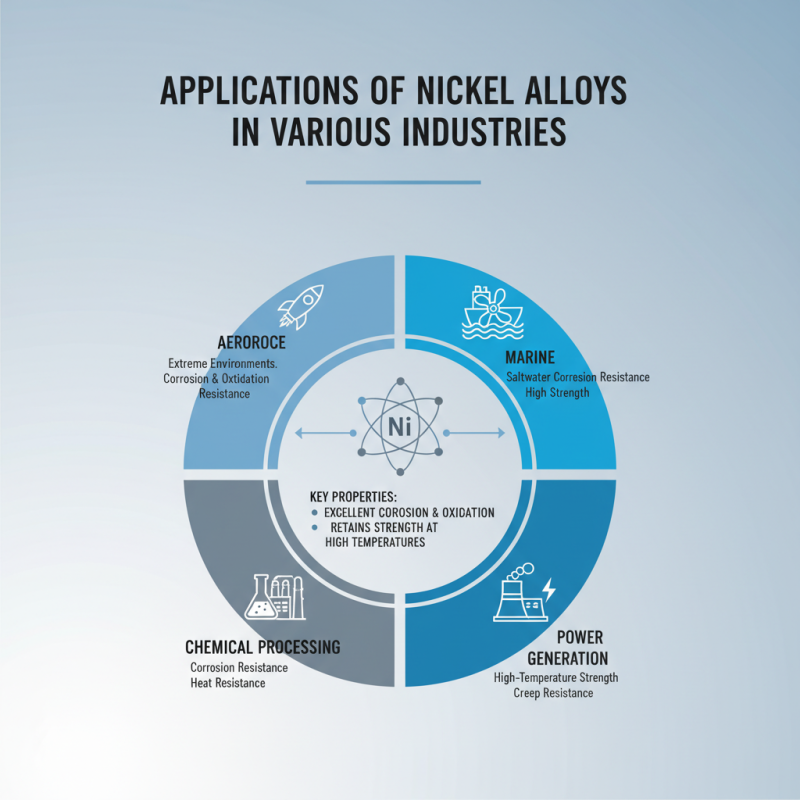
Nickel alloys are vital in many industries due to their unique properties. They exhibit excellent resistance to corrosion and oxidation. This makes them highly suitable for extreme environments, such as aerospace and marine applications. In addition, nickel alloys can retain mechanical strength at high temperatures, which is essential in power generation and chemical processing.
In the oil and gas sector, nickel alloys are often used in drilling equipment. Their ability to withstand harsh conditions ensures reliability and longevity. Similarly, in the medical field, these alloys are utilized for surgical instruments and implants due to their biocompatibility. Their usage extends to electronics, where high-performance components necessitate materials that resist wear and fatigue.
Tip: When selecting nickel alloys, consider the specific environment and application for optimal performance. Sometimes, the wrong choice can lead to costly failures. It’s crucial to understand the unique demands of each application.
Another tip is to always check the certification of nickel alloys. Quality standards differ between manufacturers, impacting performance and safety. Engaging with an expert can help you navigate these complexities.
Importance of Nickel Alloys in Procurement Decisions
Nickel alloys play a crucial role in procurement decisions, especially in industries like aerospace, automotive, and chemical processing. According to the “Global Nickel Alloy Market Report 2023,” the demand for nickel alloy is projected to grow at a CAGR of 5.2% over the next five years. This growth is driven by their excellent corrosion resistance and high-temperature strength. Such properties make nickel alloys essential in high-performance applications.
Using nickel alloys in procurement can lead to significant cost savings in the long run. For instance, a study from the International Nickel Study Group indicates that, while the initial investment in nickel alloy components may be higher, their longevity can reduce maintenance costs significantly. Buyers must consider these long-term benefits when making procurement decisions.
However, the actual market can be challenging. Not all suppliers offer the same quality of nickel alloys, which can lead to variations in performance. Buyers should conduct thorough evaluations. This means assessing the supplier's reputation and understanding the material specifications in depth. Even small discrepancies can escalate costs and project timelines. Recognizing these challenges is critical for making informed procurement choices in today’s competitive market.
Challenges in Sourcing and Managing Nickel Alloys
Sourcing nickel alloys presents significant challenges for procurement professionals. The demand for nickel alloys continues to rise, fueled by their superior resistance to corrosion and high-temperature strength. According to a report by Market Research Future, the nickel alloy market is projected to reach USD 25 billion by 2026. However, procurement teams often grapple with volatility in nickel prices. Sudden spikes can disrupt budgets and planning.
Managing a supply chain for nickel alloys is complex. The sourcing process requires close relationships with reliable suppliers. Inconsistent quality and lack of transparency can lead to significant risks. The International Nickel Study Group highlighted that about 65% of nickel production is directly tied to the electrical and aerospace industries, making reliability paramount. Yet, suppliers may face production challenges or delays, impacting delivery schedules.
Additionally, environmental regulations complicate sourcing. Procurement teams must ensure compliance with sustainability standards. Nickel extraction and refining have raised concerns about environmental degradation. Companies must balance cost, quality, and sustainability. This is not an easy task, and many are finding it difficult to navigate. A proactive approach can mitigate these challenges and optimize sourcing strategies.
What is Nickel Alloy and Why Is It Important for Procurement? - Challenges in Sourcing and Managing Nickel Alloys
| Property |
Nickel Alloy Type |
Applications |
Sourcing Challenges |
Management Considerations |
| Corrosion Resistance |
Inconel |
Aerospace, Chemical Processing |
High market demand |
Quality verification |
| High Strength |
Monel |
Marine Engineering, Oil & Gas |
Limited suppliers |
Supply chain reliability |
| Heat Resistance |
Hastelloy |
Nuclear Power, Aerospace |
Price volatility |
Inventory management |
| Ductility |
Nickel-Copper Alloy |
Electrical Applications, Marine Engineering |
Quality control |
Supplier qualification |
| Good Weldability |
Nickel Alloy 600 |
Pipelines, Heat Exchangers |
Regulatory compliance |
Performance tracking |