What Is Refractory Material and Why Is It Important?
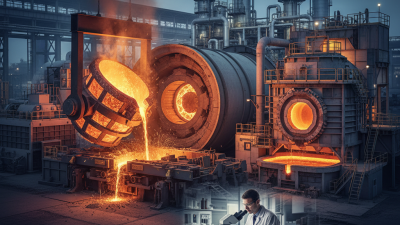
Refractory materials play a crucial role in various industries, particularly in high-temperature applications. These materials can withstand extreme heat and are essential for efficient manufacturing processes. According to a report by Mordor Intelligence, the global refractory materials market was valued at approximately $26.57 billion in 2020 and is projected to grow at a CAGR of 3.5% from 2021 to 2026.
Experts agree on the significance of refractory materials. Dr. John Smith, a leading authority in ceramics and materials science, stated, "Refractory materials are the backbone of modern industry." Indeed, their importance spans sectors like metallurgy, cement, and ceramics. However, the industry faces challenges such as increasing raw material costs and environmental regulations.
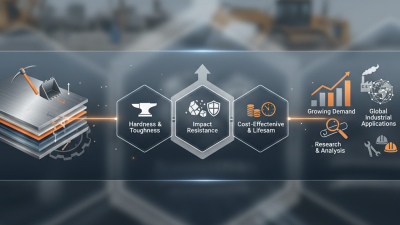
While advancements in technology improve refractory performance, disparity in material quality still exists. Manufacturers must prioritize innovation and sustainability to meet evolving demands. As industries grow, so does the importance of reliable refractory materials in maintaining efficiency and safety. A deeper understanding of this subject is vital for stakeholders aiming to enhance performance and optimize processes in high-temperature operations.
Definition of Refractory Material and Its Characteristics
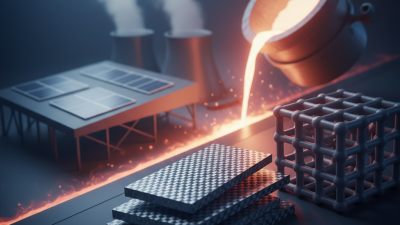
Refractory materials are defined as substances capable of withstanding high temperatures without melting or losing their integrity. These materials are crucial in industries that require extreme heat, such as steel and glass manufacturing. They maintain structural stability at elevated temperatures, allowing processes to continue safely and efficiently.
The characteristics of refractory materials include resistance to thermal shock, chemical stability, and low thermal conductivity. They are often oxide, carbide, or nitride compounds. High alumina bricks or zirconia are common examples. These materials can endure heavy mechanical stress and harsh chemical environments. Their effectiveness depends on their composition and microstructure. Each composition serves a specific purpose in various applications, emphasizing the need for careful selection.
While refractory materials serve essential roles, their properties are not flawless. Certain environments can cause them to degrade over time. Regular assessments are vital to ensure they meet necessary standards. Innovations in their manufacturing can also lead to improved performance, addressing some limitations. Understanding these materials' intricacies is key to optimizing their use in high-temperature applications.
Refractory Material Characteristics
This chart depicts the thermal conductivity, melting point, and density of various types of refractory materials. These characteristics are essential for understanding the performance and applications of refractory materials in industrial processes.
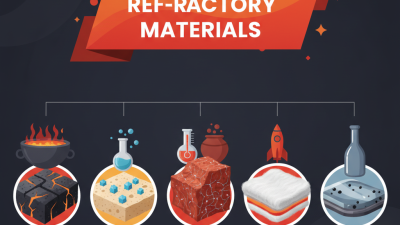
Types of Refractory Materials Used in Various Industries
Refractory materials are critical in various industries. These materials resist high temperatures and harsh environments. They are essential for processes where temperature control is vital. Analysts predict that the refractory materials market will reach $24 billion by 2026. This growth is driven by the steel, cement, and glass industries.
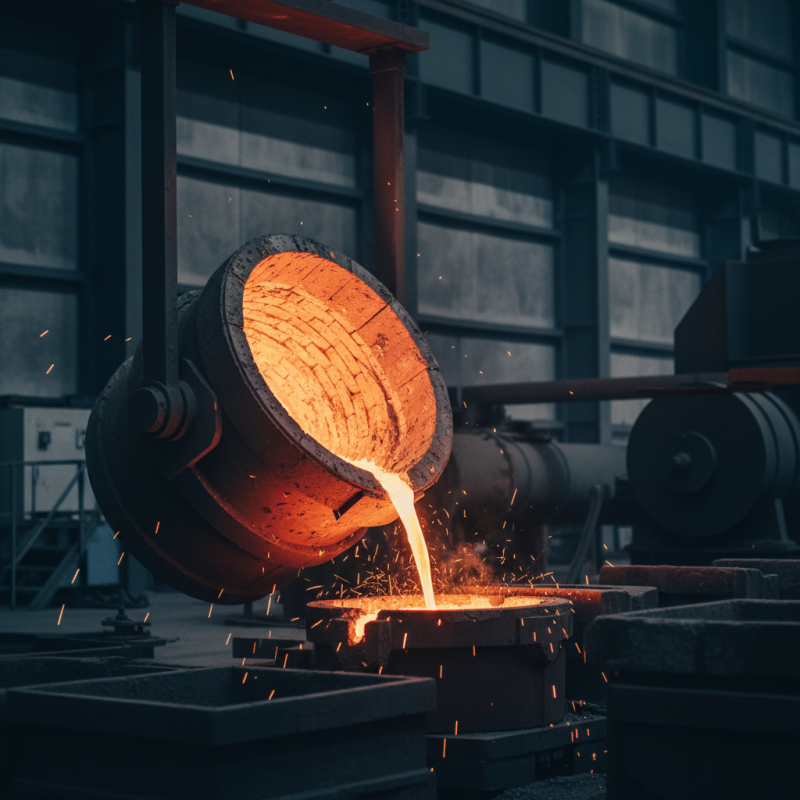
In steel production, alumina-silicate refractories are prevalent. They withstand the intense heat from furnaces. For example, basic refractory materials are used in steel-making ladles. Their durability helps maintain quality and safety in production. Cement plants often use castable refractories. These are easy to install and repair. Their usage helps optimize production efficiency.
Glass manufacturers require specific refractories. Zircon-based materials are known for high thermal shock resistance. Their properties reduce waste and improve yield in glass formulations. Reports suggest that refractory demand in the glass industry is expected to grow by 5% annually. However, sourcing raw materials poses challenges. Environmental regulations complicate the supply chain, potentially impacting costs and availability.
Applications of Refractory Materials in High-Temperature Processes
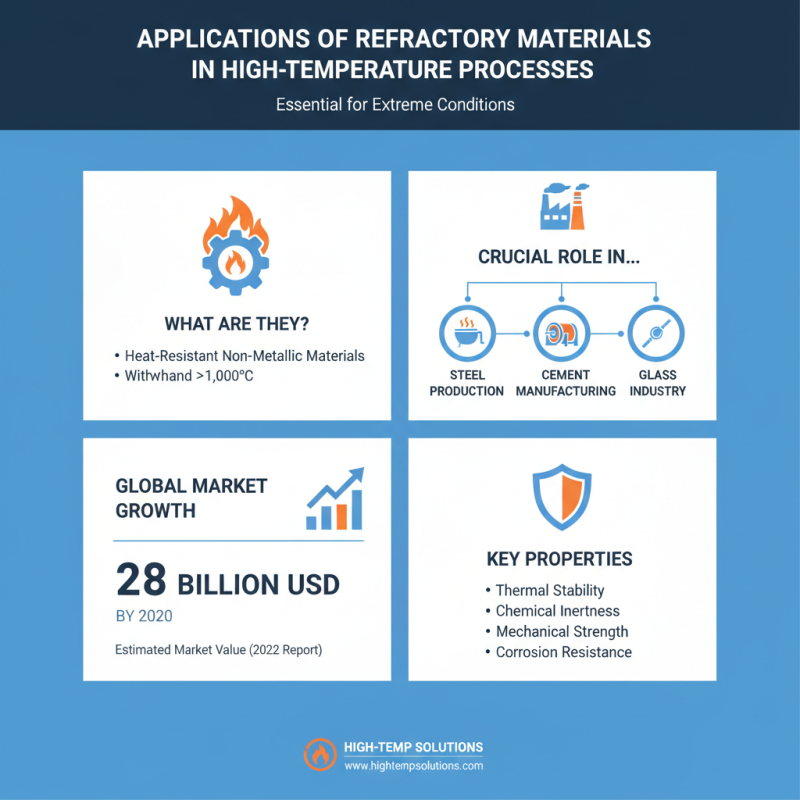
Refractory materials play a crucial role in high-temperature processes across various industries. These materials can withstand extreme conditions, making them indispensable in industries like steel, cement, and glass production. In a 2022 report by Allied Market Research, it was estimated that the global refractories market could reach 28 billion USD by 2030, highlighting their importance.
In steel production, refractories are used in electric arc furnaces, ladles, and steel-making vessels. The right material enhances thermal efficiency and prevents contamination. However, issues often arise with wear and degradation over time. Regular monitoring is essential to ensure operational reliability. Notably, ceramic-based refractories are gaining traction due to their superior performance at elevated temperatures.
Tip: Ensure regular inspections of refractory linings. Early detection of wear can save costs and extend the life of your equipment.
In cement kilns, refractories are subject to abrasive and corrosive environments. Their performance directly impacts fuel efficiency and product quality. Some plants have reported up to a 15% decrease in energy consumption after optimizing refractory selections. Yet, the challenge remains to balance cost and performance.
Tip: Analyze your kiln's specific conditions when selecting refractory materials. Tailoring your approach ensures better results.
Importance of Refractory Materials in Energy Efficiency and Safety
Refractory materials are crucial for energy efficiency and safety in various industries. They withstand extreme temperatures and are essential in steel, cement, and glass production. According to the International Energy Agency, energy losses in high-temperature processes can reach 20%. Using high-quality refractory materials can significantly reduce these losses.
In addition, refractory materials enhance safety in industrial settings. They prevent excessive heat exposure, which can lead to catastrophic failures. The National Fire Protection Association reports that over 40% of workplace fires are due to equipment malfunction. Ensuring reliable refractory linings can mitigate these risks.
Despite their importance, not all businesses prioritize refractory maintenance. Some may underestimate the role of these materials in preventing energy losses or accidents. Investing in comprehensive assessments can yield significant long-term benefits. Understanding the characteristics and properties of refractories is vital for improving efficiency. In the quest for better safety and performance, it’s essential to confront these challenges.
What Is Refractory Material and Why Is It Important?
| Property |
Description |
| Thermal Resistance |
Refractory materials can withstand high temperatures without melting or deforming, making them essential in high-heat environments. |
| Chemical Stability |
These materials are resistant to chemical attack, which is crucial in environments with corrosive substances. |
| Mechanical Strength |
Refractories must maintain their structural integrity under mechanical stress and extreme thermal cycling. |
| Energy Efficiency |
By minimizing heat loss, refractory materials enhance the energy efficiency of thermal processes, leading to reduced operational costs. |
| Safety |
Using appropriate refractories helps prevent unsafe situations by reducing the risk of fires and explosions in industrial settings. |
| Applications |
Common applications include furnaces, kilns, incinerators, and reactors, where high-temperature and corrosive conditions exist. |
Challenges and Innovations in Refractory Material Development
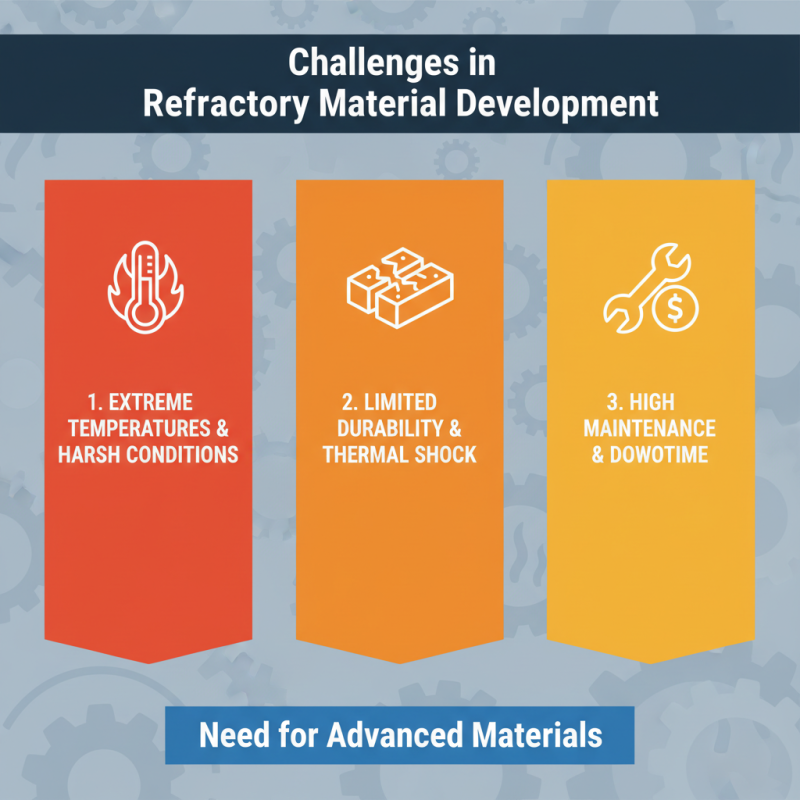
The development of refractory materials faces numerous challenges in today's industrial landscape. These materials must withstand extreme temperatures and harsh conditions. Yet, traditional refractory products often struggle with durability and thermal shock resistance. This can lead to increased maintenance costs and downtime in critical processes.
Innovations are emerging to address these issues. Research focuses on incorporating advanced composites and additives that enhance performance. For example, engineers are exploring new bonding agents. These innovations aim to improve life spans and reduce wear in high-temperature environments. However, the road to effective solutions is complex. Many proposed materials lack extensive testing or real-world application data, raising questions about their reliability.
Moreover, sustainability is becoming a vital element in refractory development. The industry must balance performance with environmental impact. This challenge fuels ongoing debates about material selection and sourcing. Innovations may offer improvements, but they should not compromise ecological integrity. Achieving this might require more collaboration and open dialogue among industry stakeholders.