How to Source Quality Grate Castings for Your Business?
In the competitive world of manufacturing, sourcing high-quality grate castings is crucial for success. Industry expert John Smith, a recognized authority in castings, once stated, "Quality grate castings are the backbone of any reliable product." This highlights the importance of selecting the right suppliers for your business.
When evaluating potential sources, consider not only the price but also the quality and consistency of the grate castings. Attention to detail matters. A small flaw can lead to larger issues down the line. Many businesses overlook the significance of material specifications or production methods. Understanding these factors can make a significant difference in performance.
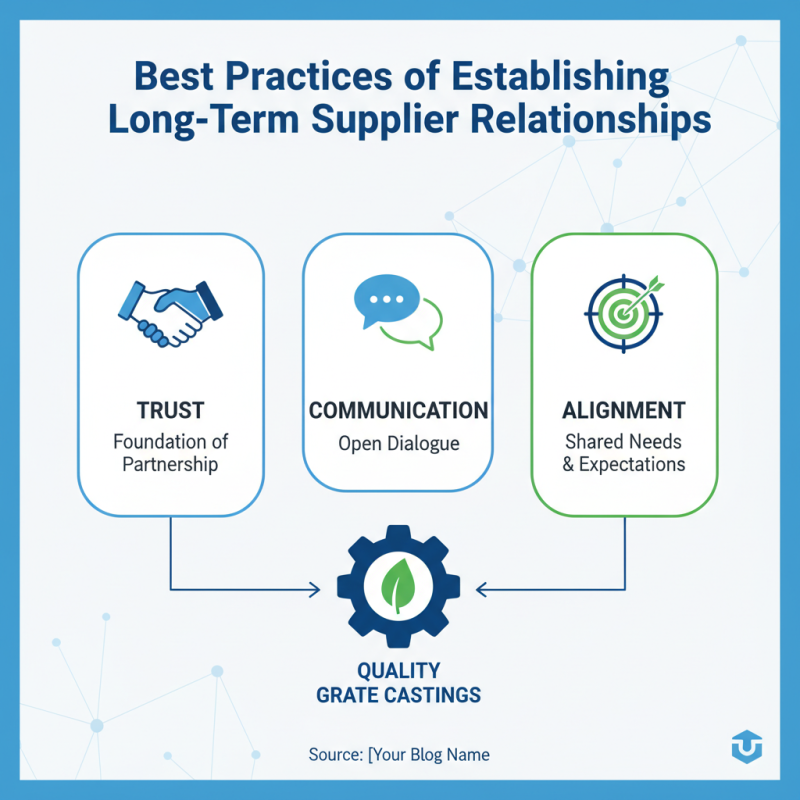
Building strong relationships with reputable foundries is essential. This process requires time and effort. However, the long-term benefits in product quality and reliability are worth the investment. Navigating the market for grate castings can be challenging. Take the time to assess your options carefully. Doing so will pay off for your business in the end.

Understanding the Importance of Quality Grate Castings in Industry
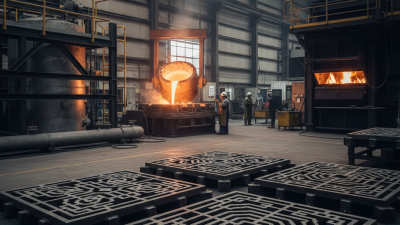
Quality grate castings play a crucial role in various industries, particularly in manufacturing and construction. These castings act as platforms and structural supports. They bear heavy loads and withstand harsh environments. When manufacturing equipment or infrastructure relies on these components, their quality directly impacts performance.
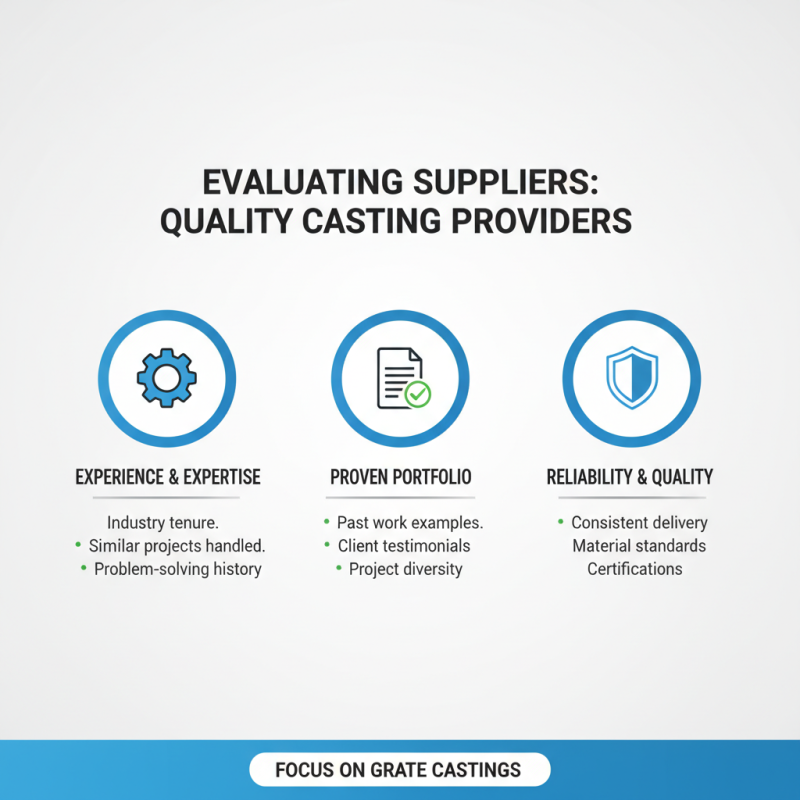
Choosing the right supplier for grate castings requires attention. Factors such as material integrity, dimensional accuracy, and surface finish must not be overlooked. Inferior castings can lead to failures, causing costly delays. Engaging with suppliers who offer transparent production processes can help mitigate risks. Ensure you ask for certifications to validate their claims.
Understanding the importance of quality also means acknowledging potential shortcomings. Sometimes, even reputed suppliers may produce flawed items. Regular inspection and testing are essential. Developing a collaborative relationship with suppliers allows for better communication about quality concerns. Continuous feedback can drive improvements, making the final product more reliable. Striving for quality should be a shared goal between buyers and manufacturers.
Identifying Key Specifications for Grate Castings
When sourcing quality grate castings, understanding key specifications is crucial. Material composition plays a significant role. Cast iron is common due to its durability and ease of casting. According to industry reports, about 70% of castings in the grate market utilize gray iron. However, ductile iron is gaining traction for its enhanced mechanical properties.
Dimensions and tolerances are another critical aspect. Grate castings often require specific thickness and weight to ensure proper fit and function. A report by the American Foundry Society highlights that up to 15% of casting defects relate to dimension inaccuracies. Furthermore, surface finish and coating processes must be considered. Rough surfaces can lead to performance issues, increasing wear and reducing the lifespan of the product.
Testing and quality assurance should be prioritized. Engaging with experienced suppliers who utilize advanced testing methods enhances reliability. Reports indicate that 30% of castings fail quality checks due to insufficient monitoring. It's vital to collaborate with foundries that adhere to recognized industry standards, ensuring the castings meet all operational needs.
Methods for Assessing the Quality of Grate Castings
When sourcing quality grate castings, assessing their quality is crucial. Various methods can help ensure you select the best products for your business. One effective way is to examine the material composition. High-quality grate castings typically use durable alloys that can withstand high temperatures. Evaluate the specifications provided by suppliers to understand the core materials.
Tip: Request material test reports. These documents provide insight into the casting's properties. Ensure the reports are from accredited laboratories to maintain credibility.
Another important method is to assess the casting process itself. A reputable manufacturer should follow established industry standards. Look for certifications that demonstrate adherence to quality protocols. Understanding the production process can reveal potential weaknesses.
Tip: Visit the manufacturing site if possible. Observing the processes firsthand can help identify any concerns. Pay attention to the cleanliness and organization of the facility.
Lastly, consider customer feedback and reviews. Gathering insights from others who have purchased similar products can guide your decision. Don’t overlook negative reviews; they can highlight issues you might face.
Tip: Engage in discussions with other industry professionals. They can provide invaluable perspectives and recommendations based on real-world experiences.
How to Source Quality Grate Castings for Your Business? - Methods for Assessing the Quality of Grate Castings
| Assessment Method |
Description |
Quality Indicators |
Rating (1-5) |
| Visual Inspection |
Examine castings for surface defects, inclusions, and overall finish. |
Surface smoothness, absence of cracks, uniformity |
4 |
| Dimensional Inspection |
Ensure castings meet specified dimensions and tolerances. |
Accuracy, precision of measurements |
5 |
| Material Analysis |
Conduct tests to determine the chemical composition of the casting material. |
Compositional accuracy, hardness |
4 |
| Mechanical Testing |
Evaluate properties such as tensile strength and impact resistance. |
Strength, ductility |
5 |
| Quality Certifications |
Check for industry-standard certifications pertaining to quality. |
Certifications, compliance |
4 |