Leave Your Message
Tube Shields are small components with an important job: helping protect X-ray tube assemblies and nearby equipment from heat, stray radiation, or mechanical damage, depending on their design. For global buyers, the challenge is not simply finding a low price. Material choice, dimensions, thermal performance, documentation, and repeatable quality can all affect whether a shield fits a real installation.
The market context is expanding. Grand View Research’s Medical Imaging Market Size, Share & Trends Analysis Report, 2024–2030, describes continued growth in medical imaging worldwide. That report covers a broad equipment market, not Tube Shields specifically, so it should be read as context rather than a direct demand forecast. Safety also matters. The IAEA’s Specific Safety Guide No. SSG-46, Radiation Protection and Safety in Medical Uses of Ionizing Radiation, outlines protection principles relevant to medical imaging environments. Buyers should still verify that each supplier’s claims match the intended equipment and applicable requirements.
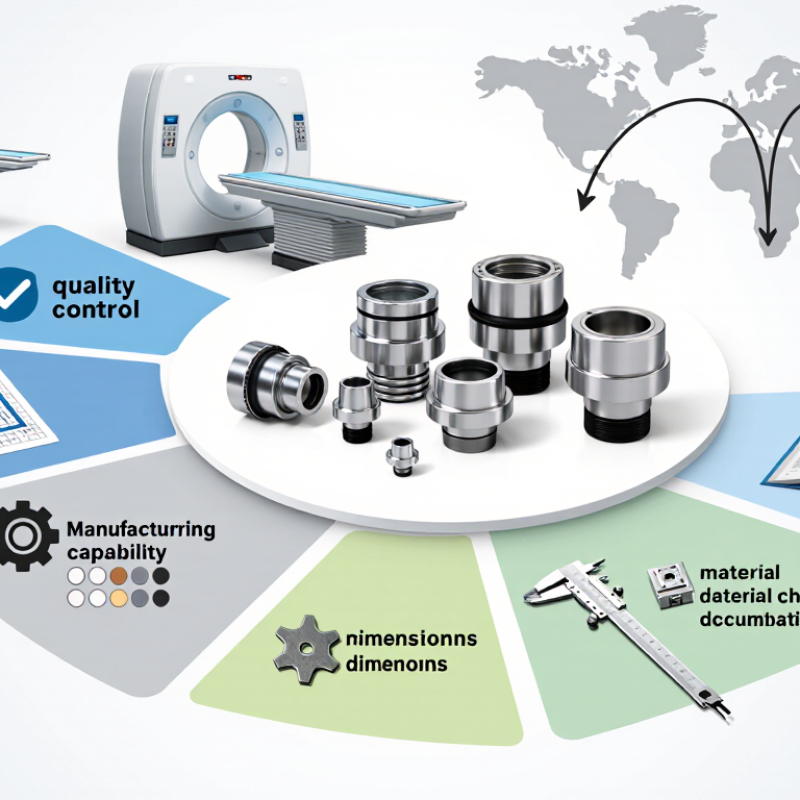
This guide compares ten Tube Shields suppliers through practical criteria: manufacturing capabilities, customization, quality controls, technical support, and export experience. A polished catalogue is useful, but it cannot replace clear drawings, traceable material information, and responsive engineering communication. Small details matter. A millimetre can matter. Supplier information may also be incomplete or difficult to compare; that is worth acknowledging, not glossing over. The aim is to help procurement teams ask better questions and shortlist partners with evidence, not promises.
Tube shields are protective coverings fitted around pipes, hoses, or narrow tubes. Their job depends on the material and working environment. Metal shields can deflect heat and resist impact, while woven glass-fiber sleeves help reduce exposure to radiant heat. Polymer guards often protect against rubbing, splashes, and surface wear. Conductive designs may limit electromagnetic interference around sensitive lines, but their performance depends on construction and installation.
Applications vary. In vehicles and machinery, shields can help protect hydraulic hoses near hot engine parts or moving components. In factories, they may cover instrument tubing exposed to abrasion, dust, or occasional chemical contact. Laboratory and process equipment can also use sleeves to reduce damage during routine handling. Not a universal fix. A shield can solve one problem and create another: added thickness may restrict movement, trap heat, or make inspection harder. Check the tube’s temperature range, bend radius, chemical exposure, and maintenance needs before choosing a type. Supplier specifications are useful, though real conditions can differ from a test sheet. A short trial in the actual installation often reveals fit issues that measurements miss.
Compare common tube-shield product categories by construction, protective function, typical applications, and practical sourcing considerations. Product suitability depends on operating conditions and the manufacturer’s specifications.
| No. | Tube Shield Type | Common Construction | Primary Function | Common Applications | Key Sourcing Consideration |
|---|---|---|---|---|---|
| 1 | Radiant heat shield | Reflective metal sheet or foil, sometimes formed with an air gap | Reduces direct radiant heat exposure to nearby tubes and components | Engines, furnaces, exhaust systems, and industrial process equipment | Check temperature limits, clearances, mounting method, and heat-reflection requirements. |
| 2 | Thermal insulation sleeve | Fiberglass, mineral fiber, or other application-rated insulating material | Slows heat transfer and helps protect personnel from hot surfaces | Steam lines, process piping, HVAC, and industrial hot-water systems | Confirm service temperature, moisture exposure, insulation thickness, and jacket compatibility. |
| 3 | Abrasion-protection sleeve | Woven or braided textile, polymer, or metal construction | Protects tubing from rubbing, scraping, and contact with adjacent parts | Hydraulic lines, mobile equipment, vehicle assemblies, and cable or hose bundles | Match sleeve flexibility and wear resistance to movement, bend radius, and installation space. |
| 4 | EMI/RFI shielding sleeve | Conductive metal braid or conductive fabric, often installed around cables or tubing assemblies | Helps reduce electromagnetic or radio-frequency interference when correctly grounded and installed | Electronics, instrumentation, communications, and sensitive control systems | Request shielding-effectiveness data for the intended frequency range and installation configuration. |
| 5 | Corrosion-resistant protective sleeve | Protective polymer coating, jacket, or corrosion-resistant metal cover | Limits exposure to moisture, chemicals, or corrosive surroundings, depending on material | Chemical processing, water treatment, marine equipment, and outdoor installations | Verify chemical compatibility, temperature range, and whether the sleeve can trap moisture. |
| 6 | Thermocouple protection tube | Metal, ceramic, or other temperature- and environment-rated tube material | Shields a temperature sensor from mechanical damage and process exposure | Furnaces, kilns, boilers, and industrial process temperature measurement | Select material and dimensions for process chemistry, temperature, response time, and sensor fit. |
| 7 | Fire-protection sleeve | Heat-resistant textile sleeve, sometimes with a protective outer coating | Provides short-term protection from heat or flame exposure when rated for the application | Industrial machinery, vehicle systems, and selected aerospace or equipment assemblies | Check applicable fire-test ratings, exposure duration, fluid compatibility, and installation instructions. |
| 8 | UV and weather-resistant sleeve | UV-stabilized polymer or weather-resistant textile, as specified for the environment | Helps shield exposed tubing from sunlight and outdoor weathering | Solar installations, outdoor equipment, agricultural systems, and exposed pipework | Confirm UV-aging data, operating temperature, water exposure, and expected service conditions. |
| 9 | Metal mesh tube guard | Woven or expanded metal mesh, commonly selected for mechanical protection and airflow | Provides a physical barrier while allowing ventilation or visual inspection | Machinery, ventilated equipment enclosures, and exposed industrial tubing | Assess mesh opening, edge finishing, corrosion resistance, and the level of impact protection required. |
| 10 | Cleanable process-tube guard | Smooth, cleanable cover or guard made from material suitable for the process environment | Protects exposed tubing and supports routine cleaning where hygiene is important | Food, beverage, pharmaceutical, and other controlled production areas | Confirm cleaning-chemical compatibility, cleanability, applicable regulatory requirements, and mounting details. |
Buyer note: “Tube shield” can refer to different protective products. Share the tube dimensions, operating temperature, environment, exposure risks, and relevant compliance requirements when requesting quotations.