2025 Top 10 Stainless Steel Castings Trends You Need to Know
As the manufacturing landscape evolves, the demand for high-performance materials such as stainless steel castings continues to rise. According to a recent market analysis by Smithers Pira, the global stainless steel castings market is projected to reach approximately $22.3 billion by 2025, with a compound annual growth rate (CAGR) of 6.2%. This growth is driven by the increasing adoption of stainless steel castings across various industries including automotive, aerospace, and energy, where durability and corrosion resistance are paramount.
Industry experts, such as Dr. John Holloway, a leading figure in metallurgical engineering, emphasize the significance of these trends: "The evolution of stainless steel casting technology will not only enhance product integrity but also improve efficiency in manufacturing processes." This statement underscores the importance of staying informed about the latest advancements and techniques in stainless steel casting to remain competitive in an ever-changing market.
As we look ahead to 2025, understanding the key trends shaping the stainless steel castings industry will be vital for stakeholders. This outlook will explore the top ten trends that are expected to influence the market significantly, providing insights into technological innovations, sustainability initiatives, and emerging applications that will define the future of stainless steel castings.

Emerging Technologies in Stainless Steel Casting for 2025
The stainless steel casting industry is on the brink of significant advancements, particularly as we look towards 2025. Emerging technologies are transforming the sector, with projections indicating that the steel casting market will soar to USD 42.18 billion by 2029. This expansion is driven by innovations that enhance manufacturing processes, making them more efficient and sustainable. Companies are increasingly adopting AI-driven technologies and specialized components that improve quality and reduce waste in production.
In this evolving landscape, notable advancements include the development of specialized steel shipping containers, which utilize stainless steel for enhanced durability and corrosion resistance. These innovations not only improve logistics but also drive down operational costs. Furthermore, the integration of advanced dyeing and finishing technologies is set to revolutionize the aesthetic and functional qualities of stainless steel products, paving the way for more versatile applications in various industries. As these trends take shape, businesses that leverage these technologies will be well-positioned to capitalize on the growing demand for high-quality stainless steel castings.
Sustainability Practices Transforming the Stainless Steel Casting Industry
Sustainability practices are increasingly shaping the stainless steel casting industry as manufacturers prioritize eco-friendly methods and materials. With the rising demand for greener solutions, companies are adopting cleaner production techniques, reducing waste, and implementing energy-efficient processes. This shift not only minimizes environmental impact but also enhances the overall efficiency of steel casting operations.
Tips for companies looking to enhance their sustainability efforts include conducting regular audits of energy usage to identify areas for improvement and investing in renewable energy sources, such as solar or wind. Additionally, exploring partnerships with organizations focused on sustainability can offer new insights and technologies that facilitate this transition.
Another key focus is the use of recycled materials in the casting process. By incorporating stainless steel scrap into production, businesses can significantly reduce their carbon footprint while still delivering high-quality products. Emphasizing sustainability throughout the supply chain encourages a culture of responsibility and positions companies as leaders in the evolving marketplace.
Market Dynamics Impacting Stainless Steel Casting Trends
The stainless steel casting market is poised for significant growth, with a projected market size reaching approximately USD 42.18 billion by 2029. This expansion is primarily driven by increasing demand across various sectors, notably industrial and construction applications. The stainless steel market alone is expected to soar to USD 261.5 billion by 2033, reflecting the robust appetite for stainless steel components that are critical in infrastructure development and industrial manufacturing.
As the industry evolves, key market dynamics play a vital role in shaping these trends. Factors such as the demand for lightweight and durable materials in automotive applications, the integration of AI technologies in production processes, and the resurgence of construction activities globally are reshaping the competitive landscape. Amid these changes, companies are urged to stay informed about emerging technologies and market shifts to capitalize on growth opportunities, particularly within the context of evolving industrial demands. The future of stainless steel castings will be closely linked to these market drivers, influencing both production methodologies and investment strategies in the coming years.
Customization and Innovation in Stainless Steel Casting Designs
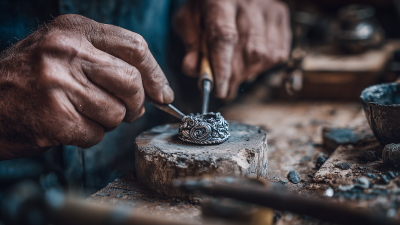
The customization and innovation in stainless steel casting designs are transforming the manufacturing landscape, allowing industries to meet specific application needs more effectively than ever before. Manufacturers are leveraging advanced technologies, such as 3D printing and computer-aided design (CAD), to create tailored solutions. This not only enhances product performance but also reduces material waste and production costs. With the ability to design intricate shapes and configurations, customized stainless steel castings can optimize functionality in a wide array of sectors, from aerospace to automotive.
Moreover, innovation is driving new alloy compositions that improve the mechanical properties and corrosion resistance of stainless steel castings. These advancements enable manufacturers to push the boundaries of what can be achieved within their designs, delivering higher durability and longevity. As companies increasingly prioritize sustainability, innovative practices in stainless steel casting are also focusing on eco-friendly materials and processes, ensuring that customization does not come at the expense of environmental integrity. This blend of personalization and sustainability signifies a promising future for stainless steel castings as they adapt to the evolving demands of global markets.
Regulatory Influences Shaping the Future of Stainless Steel Castings
The future of stainless steel castings is being significantly shaped by evolving
regulatory influences. Governments and international bodies are increasingly implementing stringent regulations aimed at
promoting sustainability and reducing environmental impact. This shift is compelling manufacturers to adopt
greener practices in their production processes,
such as utilizing eco-friendly materials and minimizing waste. Compliance with these regulations not only aids
in meeting legal standards but also enhances the marketability of stainless steel products, as consumers become
more environmentally conscious.
Furthermore, regulatory frameworks around occupational safety and
quality standards are becoming more rigorous, influencing the design and manufacturing processes of stainless
steel castings. These regulations are pushing companies to enhance their quality control measures, ensuring
that products meet both safety and performance benchmarks. As a result, manufacturers
are investing in advanced technologies and innovative practices to comply with these standards while maintaining
competitive pricing. The interplay of regulatory compliance and industry innovation is set to define the landscape
of stainless steel castings in the coming years, driving significant trends and advancements in the sector.