2026 Top Manganese Steel Castings for Global Buyers?
Manganese Steel Castings have become a vital component in various industries, from mining to construction. Recent market reports indicate that the demand for these castings is projected to grow by over 5% annually through 2026. This growth is driven by their exceptional wear resistance and toughness, making them ideal for high-impact applications.
However, navigating the global market for Manganese Steel Castings presents challenges. Variations in quality can affect performance, leading to costly downtime for manufacturers. Buyers must thoroughly evaluate suppliers to ensure they meet industry standards. Reports highlight that not all castings labeled as manganese steel offer the same properties, which could lead to unforeseen performance issues.
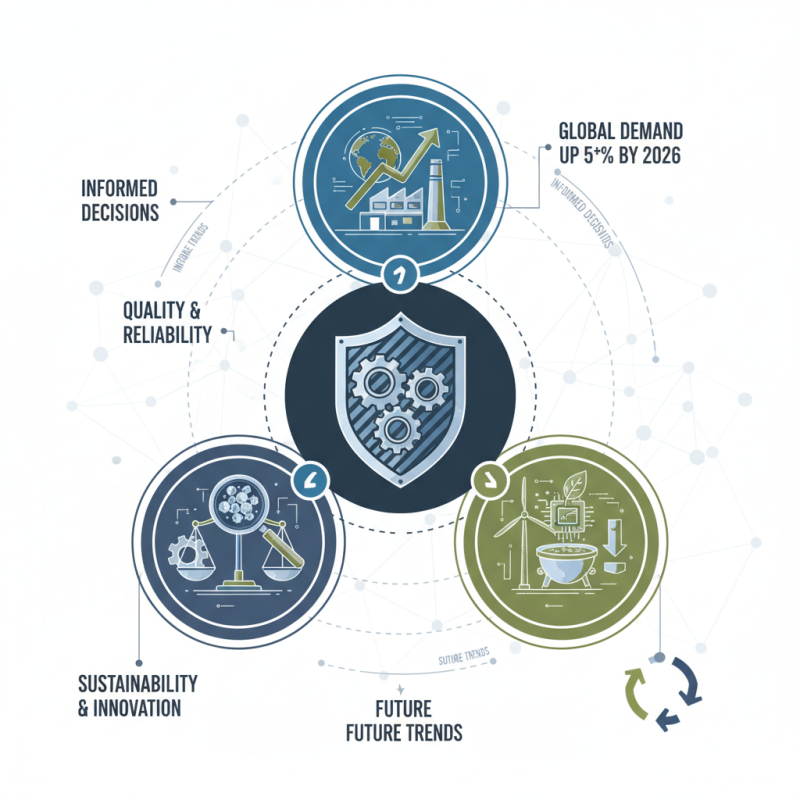
As buyers look to 2026, the focus will shift toward sustainability. Innovations in manufacturing processes may change the dynamics of the industry. Emphasizing efficiency and environmental responsibility will become increasingly important. Therefore, understanding the nuances of Manganese Steel Castings and their suppliers is crucial for making informed decisions in a competitive market.
Overview of Manganese Steel and Its Importance in Casting
Manganese steel is a unique alloy known for its exceptional toughness and wear resistance. It contains between 12% to 14% manganese, a high level that enhances its hardness. This quality makes it invaluable in various industries, especially in heavy machinery and mining applications. Manganese steel can withstand high impact and abrasive environments, which is why it's often used in parts like crusher jaws and railroad tracks.
Its importance in casting lies in these very properties. The casting process allows for complex shapes and designs, ensuring that the final product meets specific industry needs. However, working with manganese steel can be challenging. The alloy's workability may require specialized techniques. Improper handling can lead to flaws in the casting, impacting performance.
Understanding these aspects is crucial. Buyers should not only consider the strength but also the manufacturing processes involved. Each casting must meet strict quality standards to guarantee its durability. It's vital for companies to seek expert guidance and engage experienced casters. This ensures the integrity of the final product and its suitability for demanding applications.
Key Properties of Manganese Steel That Benefit Global Industries
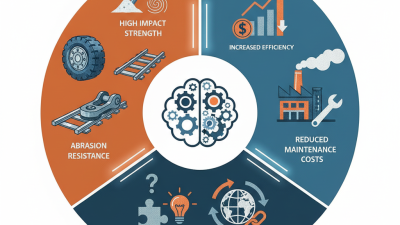
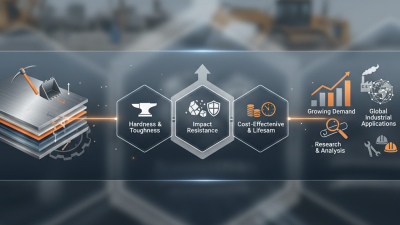
Manganese steel is renowned for its unique properties that significantly benefit various global industries. Its high toughness and resistance to wear make it an ideal choice for applications in mining and construction. Manganese steel castings can endure extreme impacts and abrasion, which helps reduce maintenance costs. The material is known for its ability to work-harden, enhancing its strength even further during use. This property is crucial for industries that demand durability under pressure.
Furthermore, manganese steel provides excellent ductility. This characteristic allows the material to deform without breaking, which is critical in high-stress environments. Industries like rail, where components must absorb shock loads from trains, find immense value in this attribute. However, sourcing and producing high-quality manganese steel castings can be challenging. Ensuring a consistent manufacturing process and maintaining optimal alloy compositions are key hurdles. The need for continuous improvement in production methods remains a reflection of the evolving demands of global buyers.
2026 Top Manganese Steel Castings for Global Buyers
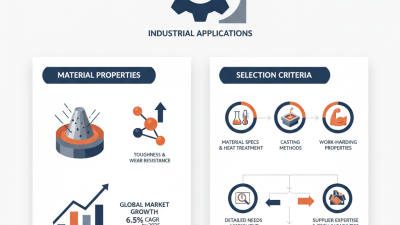
This chart illustrates the key properties of manganese steel that benefit global industries, highlighting its global demand and mechanical qualities.
Top Global Manufacturers of Manganese Steel Castings in 2026
Manganese steel castings are essential in various industrial applications due to their high impact strength and resistance to abrasion. By 2026, the demand for these materials is expected to rise significantly. According to industry forecasts, the global manganese steel castings market could reach USD 7 billion. This growth is attributed to increased manufacturing activities in sectors like mining, construction, and heavy machinery.
Top global manufacturers are anticipated to focus on innovation and quality control. Recent studies show that 70% of industry leaders are investing in advanced technologies. This includes automation and precise metallurgy processes, ensuring that the castings meet stringent quality standards. However, challenges persist. The supply chain for raw materials can be volatile. Manufacturers must navigate sourcing issues while maintaining production efficiency.
Sustainability is also a growing concern. Many manufacturers are exploring eco-friendly practices, but not all have fully implemented them. Data indicates that 40% of companies still rely on traditional methods. Moving forward, aligning with green initiatives will be critical. Transparency in sourcing and production will also play a vital role in shaping industry reputation.
2026 Top Manganese Steel Castings for Global Buyers
| Region |
Annual Production (Metric Tons) |
Market Share (%) |
Key Applications |
Average Price (USD/ton) |
| North America |
120,000 |
25% |
Mining Equipment, Construction |
2,200 |
| Europe |
150,000 |
30% |
Automotive, Industrial |
2,500 |
| Asia Pacific |
200,000 |
40% |
Construction, Shipbuilding |
1,800 |
| Latin America |
50,000 |
10% |
Mining, Railways |
2,000 |
| Middle East & Africa |
30,000 |
5% |
Oil & Gas, Mining |
2,300 |
Applications of Manganese Steel Castings in Various Sectors
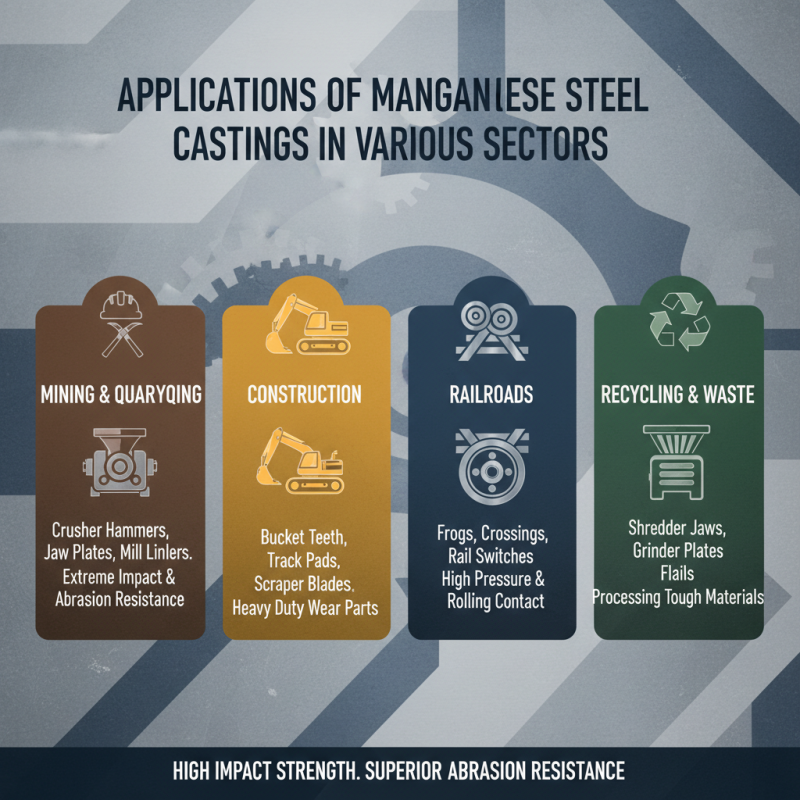
Manganese steel castings have diverse applications across numerous sectors. These castings are known for their high impact strength and abrasion resistance. They are vital in the mining industry, where equipment faces extreme conditions. For instance, components like crusher hammers and jaw plates utilize manganese steel for better durability.
In the construction field, manganese steel is commonly used in heavy machinery parts. Its toughness ensures that these parts withstand tough operational conditions. However, there are challenges in recycling manganese steel due to its alloy properties. This can lead to environmental concerns and increased production costs. Sustainable practices need exploration in this area.
Additionally, the automotive sector uses manganese steel for specific components. It provides safety and performance benefits. Yet, sourcing quality manganese ore remains an obstacle, impacting production timelines. As industries seek to enhance their efficiency, innovative solutions must address these challenges for sustainable growth.
Future Trends and Innovations in Manganese Steel Casting Technology
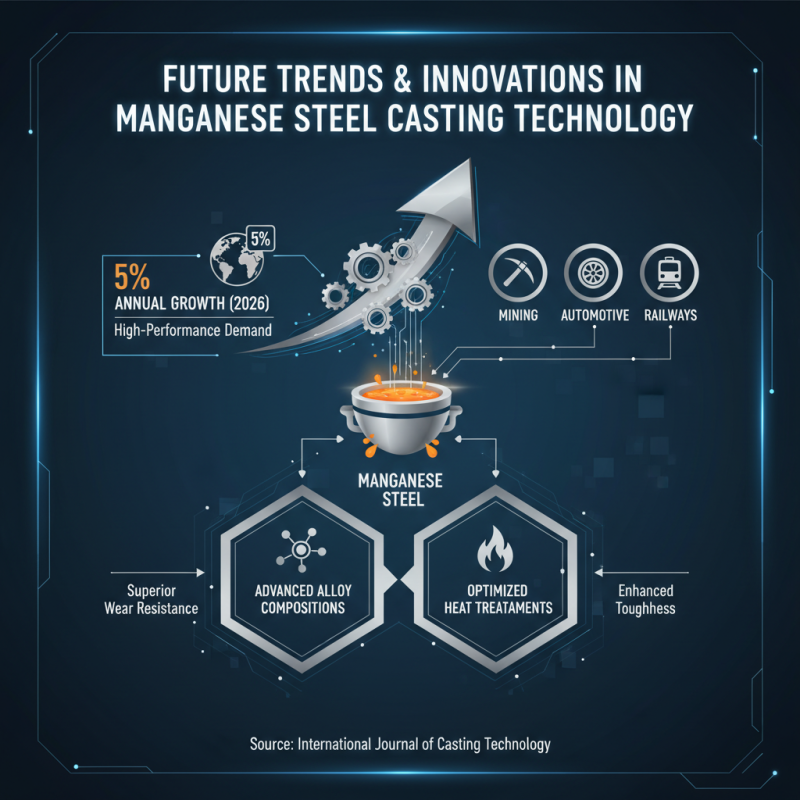
Manganese steel casting technology is evolving rapidly. As reported by the International Journal of Casting Technology, the demand for high-performance manganese steel castings is expected to grow by 5% annually until 2026. This increase is driven by industries like mining, automotive, and railways. Innovations in alloy compositions and heat treatments are enhancing mechanical properties, offering superior wear resistance and toughness.
Recent advancements focus on reducing the environmental impact of casting processes. Techniques like green sand molding and improved recycling methods are gaining traction. According to a study by the American Foundry Society, these methods can cut CO2 emissions by up to 30%. However, challenges remain in achieving consistency while mobilizing these sustainable practices effectively.
Furthermore, the integration of AI and automation in manufacturing is transforming the production of manganese steel castings. Automated molding and casting processes can enhance precision and reduce waste. However, the transition requires significant investment and training. The industry grapples with balancing technology adoption and skilled labor requirements. This ongoing discussion highlights the need for continuous reflection on how to implement these innovations effectively.