Top 10 Manganese Steel Castings Suppliers in China 2026?
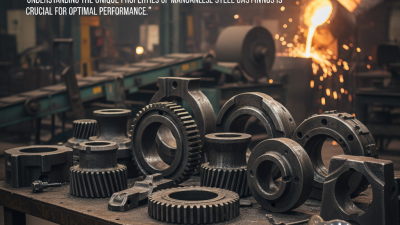
In the evolving world of manufacturing, Manganese Steel Castings play a crucial role. These castings are known for their remarkable strength and durability. As industries seek reliable suppliers, the focus has shifted to China. The country is a hub for high-quality manganese steel products. The growing demand requires suppliers to maintain standards.
Choosing the right supplier is essential. It impacts the entire production line. Manganese Steel Castings must meet specific requirements. Factors such as quality, price, and production capacity are vital. Some suppliers promise excellence, yet quality can vary greatly. It’s necessary to do thorough research. Look for suppliers with a proven track record.
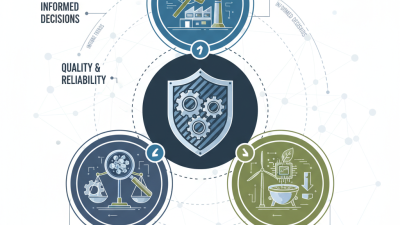
The challenge lies in identifying the top suppliers. Not all companies provide the same level of service. Some may fall short, which can lead to delays and losses. This situation highlights the importance of making informed decisions. Evaluating supplier reliability will ensure operational success. Proper choices lead to lasting partnerships in manufacturing.
Overview of Manganese Steel Castings and Its Applications
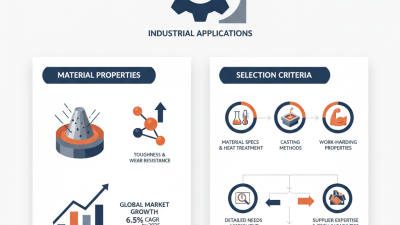
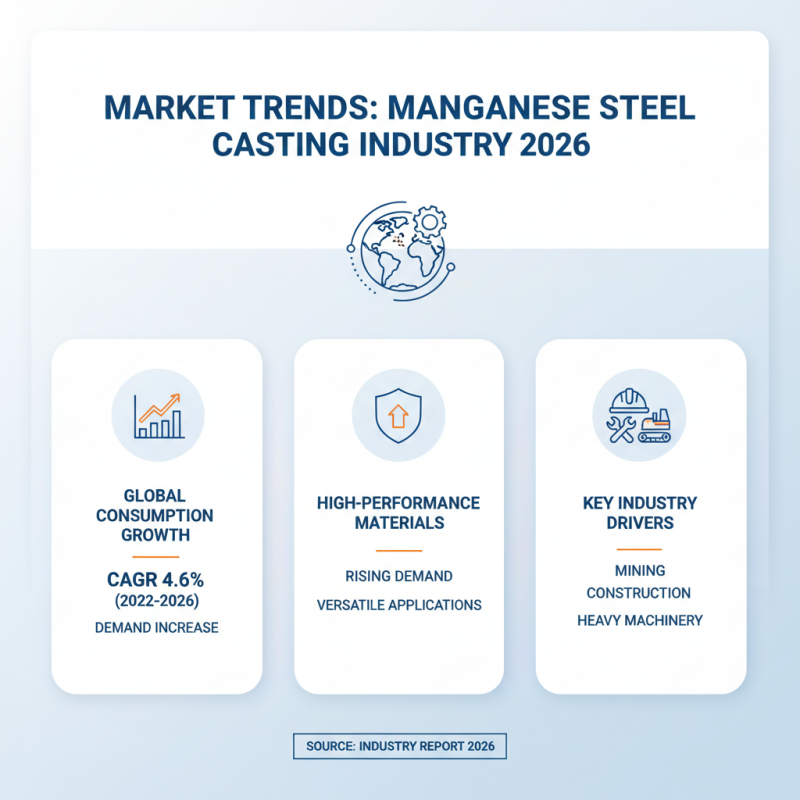
Manganese steel castings are essential in various industrial applications. Known for their high impact strength, these castings perform well in harsh conditions. The alloy typically contains 12-14% manganese, providing excellent wear resistance. In industries such as mining, construction, and recycling, manganese steel plays a crucial role. Reports indicate that the demand for manganese steel castings may grow at a CAGR of over 7% from 2021 to 2026.
One key application of manganese steel castings is in crushing and grinding machinery. Equipment like jaw crushers and ball mills often utilize this alloy to withstand significant abrasions. Its ability to harden under impact, known as work hardening, is vital in extending the life of these machines. Additionally, manganese steel castings are used in railway tracks and high-stress environments, where durability is paramount.
However, challenges remain in the manufacturing process. Ensuring consistent quality and minimizing defects can be problematic. Variability in alloy composition may lead to performance issues. The market currently faces pressure to improve manufacturing techniques while maintaining safety standards. Addressing these concerns is critical for suppliers as they look to meet the evolving demands of the industry.
Top 10 Manganese Steel Castings Suppliers in China 2026
This chart represents the estimated production capacities (in tons) of manganese steel castings in 2026 for various applications such as mining, construction, and manufacturing.
Criteria for Selecting Top Manganese Steel Castings Suppliers
When selecting top manganese steel castings suppliers, it is essential to evaluate key criteria. One crucial aspect is the supplier's experience in the industry. Suppliers with a proven track record are more likely to deliver quality products. Look for companies that have handled diverse projects in various sectors. They often possess valuable insights into the manufacturing process and can provide better solutions.
Another important factor is the quality control measures implemented by the supplier. Strong quality assurance processes ensure that castings meet industry standards. A good supplier will be transparent about their quality testing methods. Reviews and certifications can also reflect the reliability of their products.
**Tip:** Always ask for samples before making large orders. This will help you assess the actual quality of their castings.
Additionally, consider the supplier's customer service responsiveness. Effective communication can save time and avoid misunderstandings during projects. Suppliers who prioritize client needs tend to build better long-term relationships. A reliable supplier will not shy away from addressing concerns or providing assistance when needed.
**Tip:** Build a rapport with potential suppliers. Understanding their values can lead to better collaboration.
Top 10 Manganese Steel Castings Suppliers in China 2026
| Supplier Rank |
Annual Revenue (USD) |
Experience (Years) |
Production Capacity (Tons/year) |
Export Markets |
Certifications |
Customer Satisfaction Rating |
| 1 |
$50 million |
20 |
10,000 |
North America, Europe, Asia |
ISO 9001, CE |
95% |
| 2 |
$40 million |
15 |
8,000 |
Europe, Australia |
ISO 9001, ASTM |
92% |
| 3 |
$35 million |
18 |
7,500 |
Asia, South America |
ISO 9001 |
90% |
| 4 |
$30 million |
12 |
6,000 |
North America, Europe |
ISO 9001, OHSAS 18001 |
88% |
| 5 |
$28 million |
10 |
5,000 |
Asia, Middle East |
ISO 9001 |
86% |
| 6 |
$25 million |
8 |
4,500 |
Australia, North America |
ISO 9001 |
84% |
| 7 |
$22 million |
10 |
4,000 |
Europe, South America |
ISO 9001, CE |
82% |
| 8 |
$20 million |
6 |
3,500 |
Asia, Africa |
ISO 9001 |
80% |
| 9 |
$18 million |
5 |
3,000 |
North America, Australia |
ISO 9001 |
78% |
| 10 |
$15 million |
4 |
2,500 |
Europe, Asia |
ISO 9001 |
75% |
Analysis of the Leading Manganese Steel Castings Suppliers in China
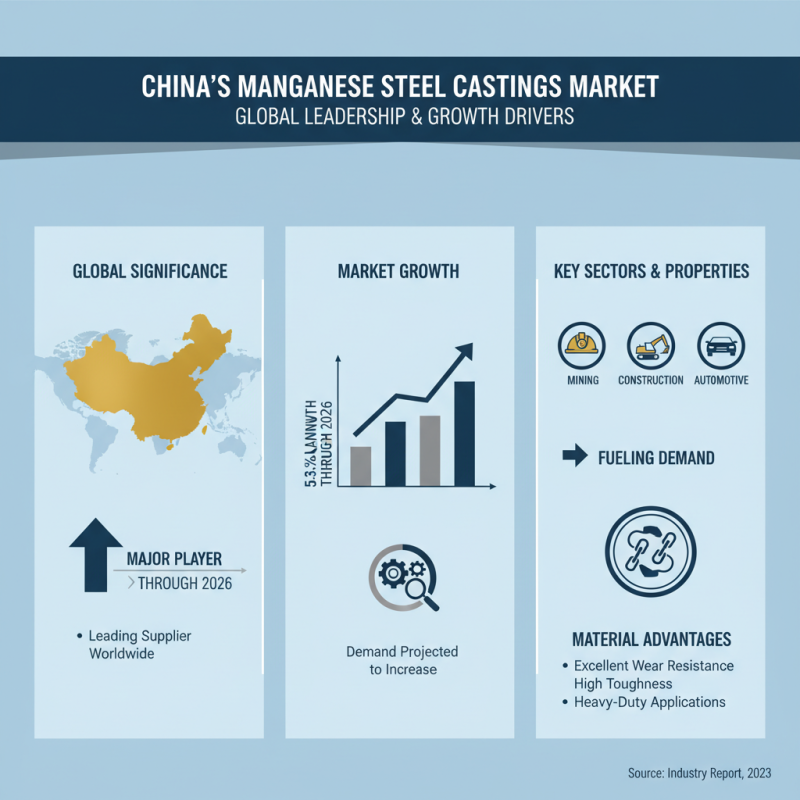
China is a significant player in the global manganese steel castings market. According to a recent industry report, the demand for manganese steel castings is projected to grow by 5.3% annually through 2026. This growth is fueled by various sectors, including mining, construction, and automotive industries. Manganese steel is known for its excellent wear resistance and toughness, making it a preferred material for heavy-duty applications.
Many suppliers in China emphasize quality and innovative production techniques. Industry experts highlight that top suppliers invest heavily in modern technology to enhance casting precision and product durability. For example, advanced molding techniques and heat treatment processes can improve the final product's performance. Despite these advancements, companies often face challenges with material consistency and lead times. Ensuring reliable supply chains remains a priority for these suppliers.
While the market outlook is positive, some suppliers struggle with strict regulations and fluctuating raw material prices. A report from an industry analyst noted that sourcing high-quality manganese ore is crucial. As the competition intensifies, maintaining competitive pricing while ensuring quality is vital. Many suppliers may need to reassess their strategies to stay ahead. This balance between cost and quality becomes critical for enduring success in the manganese steel castings industry.
Future Outlook for Manganese Steel Castings Supply Chain in China
The future of manganese steel castings in China is poised for significant changes. Increased demand in various sectors drives the market. Industries like mining and construction require durable and high-quality materials. This growing requirement presents opportunities for suppliers to innovate and expand their offerings.
China's supply chain for manganese steel castings faces challenges, too. Environmental regulations are tightening. Suppliers must adapt to new standards for production processes. Some manufacturers struggle to maintain quality while reducing emissions. This balancing act requires expertise and foresight in operations.
Looking ahead, collaboration among various stakeholders will be vital. Manufacturers, suppliers, and regulatory bodies must work together. Enhancing transparency in sourcing and production will build trust. A reliable supply chain will depend on shared values and mutual growth. Suppliers need to embrace both technology and sustainability to thrive in this evolving landscape.