Top 10 Nickel Alloy Suppliers for Global Buyers in 2026?
The demand for Nickel Alloy in various industries continues to rise. This increase is driven by its superior corrosion resistance and high-temperature strength. According to a recent report from the International Nickel Association, the global nickel alloy market is projected to grow significantly by 2026. Industry expert Dr. Andrew Smith states, "Nickel Alloy is essential for modern manufacturing, providing durability and performance."
In sectors such as aerospace, automotive, and energy, the reliance on nickel alloys is more pronounced. High-performance components made from these alloys are critical. For instance, components in gas turbines and nuclear reactors demand materials that can withstand extreme conditions. The quality of these alloys directly impacts the efficiency and safety of operations.
However, not all suppliers meet the stringent standards required in today’s market. This poses challenges for buyers. Ensuring that you choose a reputable supplier is vital. In this article, we will explore the top 10 nickel alloy suppliers for global buyers in 2026.
Overview of Nickel Alloys and Their Applications
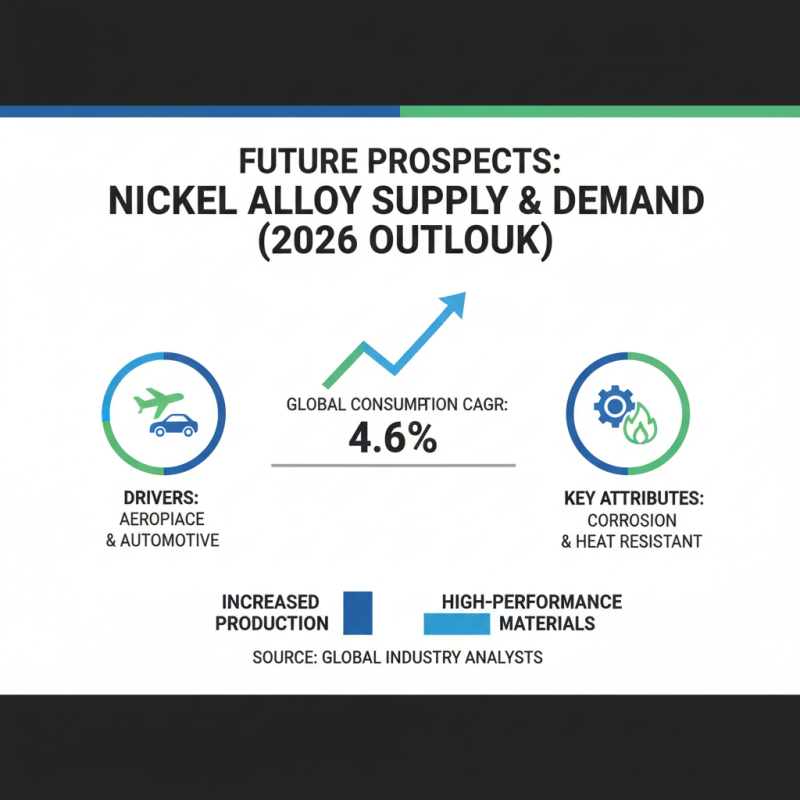
Nickel alloys are renowned for their exceptional corrosion resistance and high-temperature strength. They play a crucial role in various industries. Metrics from industry reports indicate that the demand for nickel alloys is projected to grow significantly. The aerospace sector alone is expected to increase its nickel alloy use by over 5% annually through 2026.
Applications of nickel alloys span many fields. In the oil and gas industry, they are critical for offshore drilling equipment due to their ability to withstand harsh environments. The automotive industry is also a major consumer, utilizing nickel alloys in engine components to enhance performance and longevity. A recent study showed that nickel-containing superalloys with temperature capabilities above 1,000°C are vital for jet engines.
Despite their advantages, challenges exist in sourcing high-quality nickel alloys. Quality control can be inconsistent across suppliers. Buyers often face issues with alloy composition and certification. Navigating this landscape requires diligence and expertise. Understanding material specifications and industry standards is essential for effective procurement.
Criteria for Selecting Top Nickel Alloy Suppliers
When selecting nickel alloy suppliers, it's crucial to evaluate their expertise and market reputation. A supplier with substantial industry experience can often provide insights beyond basic product offerings. Look for companies that demonstrate a commitment to quality assurance and compliance with international standards.
Tips: Prioritize suppliers with certifications. This ensures adherence to quality benchmarks, which can impact overall product performance.
Evaluate the range of nickel alloys offered by each supplier. A diverse product line allows buyers to find specific alloys suited for unique applications. Additionally, consider the supplier’s ability to customize products. Customization capabilities can be a game-changer for specialized projects.
Tips: Request samples before making a decision. Testing the material can reveal unexpected issues or advantages.
Supplier support matters as well. Consider responsiveness, technical support, and after-sales service. A responsive supplier can save time and reduce potential headaches. Flexibility in terms of delivery schedules also enhances reliability.
Tips: Research customer feedback. It provides real-world insights into supplier reliability and service quality.
Distribution of Nickel Alloy Production by Region in 2026
Profile of Leading Nickel Alloy Suppliers in 2026
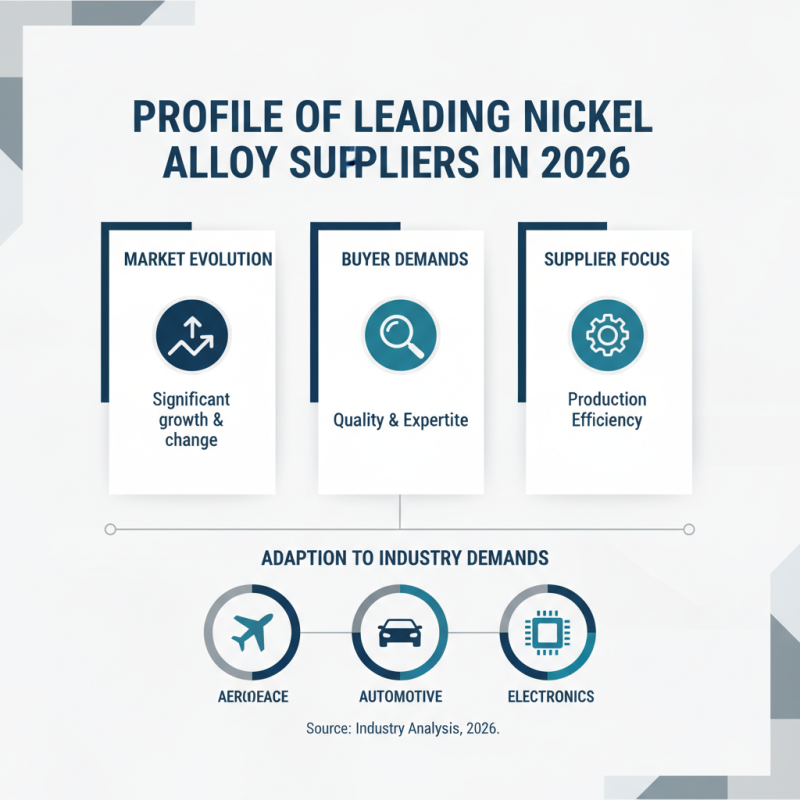
In 2026, the nickel alloy market is poised for significant evolution. Buyers will seek suppliers known for quality and expertise. The leading suppliers will likely focus on enhancing their production efficiency. They must adapt to changing demands in industries like aerospace, automotive, and electronics.
Experience in alloy production is crucial. Top suppliers will have advanced technology at their disposal. This includes innovative processes that improve durability and performance. Suppliers should also emphasize sustainability in their operations. Environmentally friendly practices can enhance their reputation.
However, challenges remain. Supply chain issues could affect availability. Buyers must be aware of fluctuating prices, influenced by various factors. Identifying reliable suppliers will require thorough research. Building relationships with reputable suppliers may take time, but it is essential for long-term success. Quality assurance will remain a priority for all stakeholders involved.
Market Trends Influencing the Nickel Alloy Supply Chain
The nickel alloy market is witnessing significant changes. Various trends are shaping the supply chain. Sustainability is a major focus for buyers. Companies are prioritizing eco-friendly practices. They seek alloys with lower environmental impact. This shift affects sourcing strategies and production methods.
Technological advancements also play a pivotal role. Innovations in alloy processing improve quality and performance. Buyers are looking for suppliers who are adaptable and forward-thinking. Further, geopolitical factors influence the market dynamics. Supply disruptions can arise from trade tensions. This uncertainty prompts companies to rethink their sourcing locations.
Lastly, demand from multiple industries adds complexity. Aerospace, automotive, and energy sectors all require high-performance nickel alloys. Each industry has unique specifications. Suppliers must be agile to meet these diverse needs. Buyers face challenges in ensuring reliable supply while maintaining quality. Careful planning and collaboration are essential to navigate this evolving landscape.
Top 10 Nickel Alloy Suppliers for Global Buyers in 2026
| Supplier Rank |
Region |
Annual Revenue (USD) |
Market Share (%) |
Specialization |
| 1 |
North America |
$500 Million |
25% |
High-Temperature Applications |
| 2 |
Europe |
$450 Million |
20% |
Aerospace Standards |
| 3 |
Asia |
$400 Million |
18% |
Marine Applications |
| 4 |
North America |
$350 Million |
15% |
Chemical Processing |
| 5 |
South America |
$300 Million |
12% |
Oil and Gas |
| 6 |
Asia |
$275 Million |
10% |
Electronics Industry |
| 7 |
Europe |
$250 Million |
8% |
Automotive Components |
| 8 |
North America |
$225 Million |
7% |
Construction Materials |
| 9 |
Asia |
$200 Million |
5% |
Nuclear Power |
| 10 |
South America |
$180 Million |
4% |
Mining Industry |