Top 5 Tips for Choosing the Best Abrasion Resistant Sieve Plate?
Choosing the right Abrasion Resistant Sieve Plate is crucial for optimizing efficiency in various industries. These plates protect equipment from wear, ensuring longevity and performance. Many options are available, but not all are created equal. Understanding the features of an effective sieve plate can make a big difference.
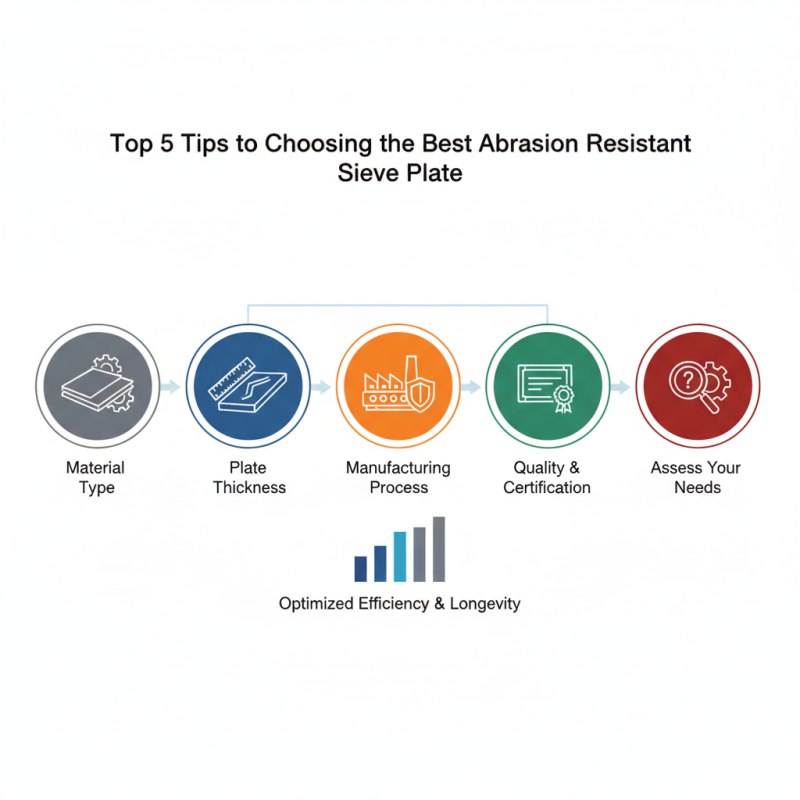
Consider the material used in the abrasion resistant sieve plate. Options like steel or composite materials often yield better results. They offer various levels of durability and resistance to damage. Examine the plate's thickness as well; a thicker plate may withstand harsher conditions, though it could add weight.
Moreover, it's essential to analyze the manufacturing process. Quality assurance and certification can indicate a reliable product. These factors contribute to the plate’s overall performance. Many users overlook these details, leading to premature wear and replacement. Prioritizing the right features and understanding your needs will enhance your selection process.
Understanding Abrasion Resistance in Sieve Plates
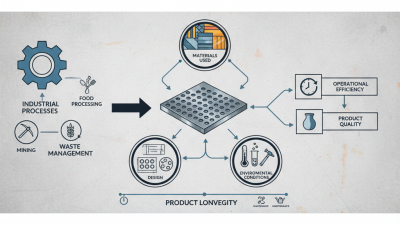
Choosing the right abrasion-resistant sieve plate involves understanding the materials' properties. Abrasion resistance is crucial in applications where sieves face high wear rates. Reports indicate that materials such as stainless steel and certain polymers can exhibit remarkable resistance to wear. For instance, studies show that high-carbon steel can last four times longer than standard materials in specific applications.
Different industries report varying abrasion rates. The mining and aggregates sectors often deal with more severe conditions than food processing. Factors like particle size and hardness influence wear on sieve plates. Research suggests that sieve plates made from advanced composites can withstand extreme conditions with lower maintenance costs. Yet, users sometimes overlook how environmental factors impact performance.
Choosing the ideal sieve plate shouldn’t only rely on material alone. Testing and simulation can reveal performance metrics. Data suggests that understanding the specific operational environment is vital. Some users often underestimate these factors, leading to early failure. Regularly assessing the sieve's condition can prevent unexpected breakdowns and costly downtime.
Key Materials Used in Abrasion Resistant Sieve Plates
When selecting abrasion-resistant sieve plates, the choice of material is crucial. The most common materials include stainless steel, nylon, and polycarbonate. Each of these offers distinct benefits based on the application. For instance, stainless steel boasts exceptional strength and resistance to corrosion, making it ideal for harsh environments. Industry reports indicate that stainless steel accounts for over 50% of the sieve plate market due to its durability.
Nylon, on the other hand, is lighter and more flexible. It is perfect for industries requiring quick replacement or frequent adjustments. However, some reports show that nylon may wear down faster than metal alternatives. Polycarbonate lies somewhere in the middle, providing both strength and lightness, yet it may scratch easily. The choice here could depend on the specific conditions in which the sieve plates will be used.
Consideration of these materials is essential. For example, a high-flow application might not mesh well with nylon’s limitations. Data reveals that 30% of sieve plate failures stem from material mismatches. Hence, one must thoroughly assess environmental factors, flow rates, and the nature of materials processed. The right choice reflects careful evaluation rather than hasty decisions.
Factors Affecting the Durability of Sieve Plates
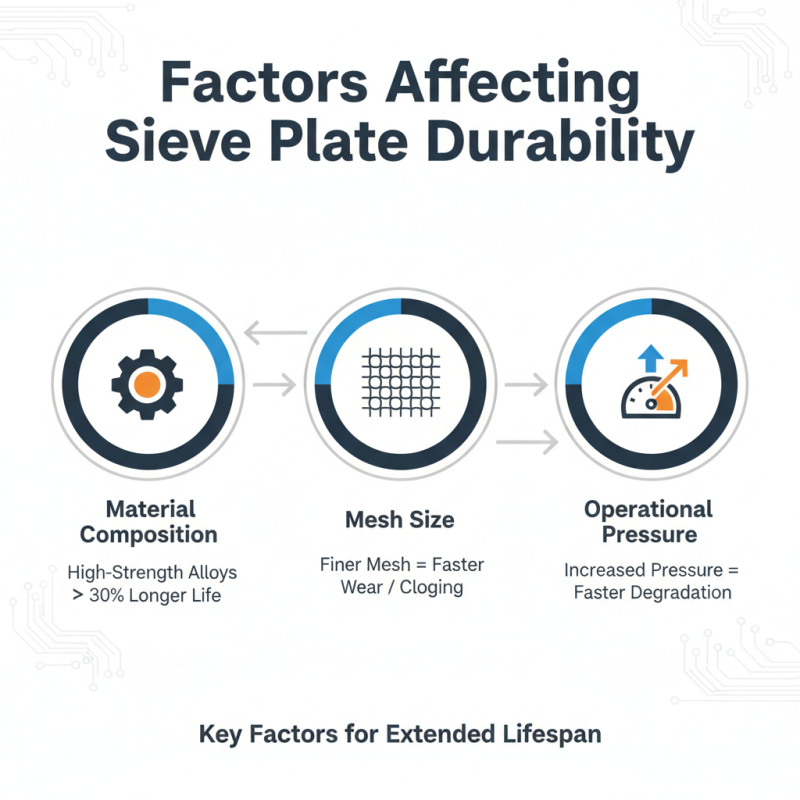
When selecting a durable sieve plate, several key factors influence its lifespan. Material composition plays a crucial role. High-quality alloys and treatments improve resistance to wear and tear. According to a recent industry report, sieve plates made from specific high-strength steels can last up to 30% longer than standard options. The choice of mesh size also affects wear. Finer meshes may clog easier, leading to increased pressure and faster degradation.
Environmental conditions matter too. Exposure to moisture or corrosive materials can weaken sieve plates. Studies show that plates used in humid regions face significant deterioration. Corrosion rates can double if not properly treated. Regular maintenance is essential yet often overlooked. Failure to clean or inspect plates can lead to premature failure.
Understanding the operating conditions is vital. Different applications impose varying stress on sieve plates. For instance, heavy-duty applications require more robust plates. However, oversize plates can lead to inefficiencies and higher wear. Balancing these factors ensures longer-lasting performance. Focus on data-backed material choices and ongoing care to maximize sieve plate durability.
Comparative Analysis of Different Sieve Plate Designs
When selecting an abrasion-resistant sieve plate, the design choices play a crucial role in performance. Various designs offer distinct advantages and drawbacks. A common approach is the use of mesh types. These plates often feature different weave patterns. For instance, a tighter weave can increase filtration efficiency but may also reduce flow rates. This trade-off should be carefully considered based on your material and application.
Another design consideration is the plate's thickness. Thicker plates often provide better durability, which is necessary for high-impact tasks. However, they can lead to increased weight and cost. Not all operations need heavy-duty options. Understanding the specific requirements of your project is essential to making educated choices.
Material types also deserve closer examination. Some plates use steel, while others might opt for polymer compounds. Each material offers its benefits. Stainless steel shows great corrosion resistance, but polymers can be lighter and easier to handle. Evaluating these materials in the context of your working environment is crucial. Certain materials may not perform well under specific conditions. Balancing durability, weight, and cost-effectiveness is vital for optimal results.
Top 5 Tips for Choosing the Best Abrasion Resistant Sieve Plate
| Tip |
Material |
Durability |
Cost |
Maintenance |
| 1. Select the Right Material |
Stainless Steel |
High |
Medium |
Low |
| 2. Check Hole Size |
Carbon Steel |
Medium |
Low |
Moderate |
| 3. Assess Thickness |
Polyurethane |
Very High |
High |
Very Low |
| 4. Evaluate Design Features |
Ceramic Coated |
High |
Medium |
Moderate |
| 5. Review Certification Standards |
Composite Materials |
High |
High |
Low |
Maintenance Tips for Maximizing Sieve Plate Lifespan
Choosing the right maintenance strategies is crucial for prolonging the lifespan of abrasion-resistant sieve plates. Research indicates that even minor adjustments in handling can yield a 30% increase in durability. Regular inspections are essential. Look for signs of wear or damage, as these can lead to performance issues. Ensure that the plates are properly aligned. Misalignment can cause uneven wear, drastically reducing their effectiveness.
Cleaning is another vital aspect. Accumulated debris can corrode materials, leading to premature failures. Use soft brushes or compressed air to remove particles. Harsh chemicals might cause damage, so use gentle cleaning solutions. Statistics show that regular cleaning can extend the lifespan of sieve plates by up to 25%.
Proper storage is often overlooked. Sieve plates should be kept away from extreme temperatures and humidity levels. High moisture can cause rust and accelerate degradation. Additionally, ensure that they are stored flat to prevent warping. Investing time in these methods can make a noticeable difference. There’s always room for improvement in maintenance practices, often overlooked until issues arise.
Top 5 Tips for Choosing the Best Abrasion Resistant Sieve Plate
This bar chart illustrates the importance of various factors in selecting an abrasion-resistant sieve plate. Each bar represents the relative significance of the consideration for maximizing the lifespan of the sieve plate.