Top 10 Tips for Sourcing Wear Resistant Steel Castings?
In the world of manufacturing, sourcing Wear Resistant Steel Castings is critical for many industries. Experts stress the importance of quality casting materials. Dr. Emma Collins, a leading authority in materials science, states, "The right wear-resistant steel can significantly enhance the durability of critical components." Her insight underscores the necessity of choosing the correct materials.
Understanding the nuances of sourcing these castings can be challenging. Factors such as alloy composition, heat treatment, and supplier reliability must be considered. For instance, not every supplier offers the same standard of wear resistance. It is essential to conduct thorough research and ask pointed questions during the procurement process. Failing to do so could lead to costly mistakes and downtime in production.
Moreover, every project presents unique challenges. Companies often struggle with balancing cost and quality. It’s tempting to choose lower-priced options, but this can lead to inferior performance. By investing in high-quality Wear Resistant Steel Castings, businesses may experience enhanced longevity and reduced maintenance costs in the long run. This highlights the need for a commitment to excellence in sourcing practices.
Understanding Wear Resistant Steel Castings and Their Applications
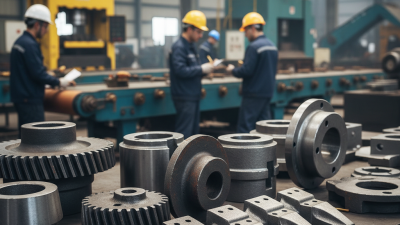
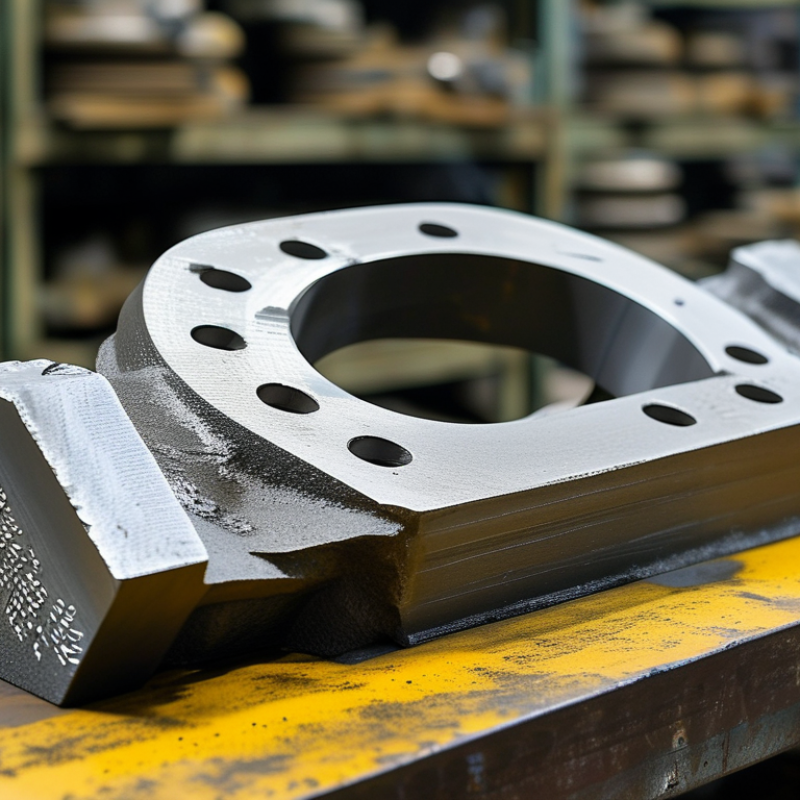
Wear resistant steel castings play a crucial role in various industries. They are designed to withstand harsh conditions, reducing wear and tear. This material is essential in mining, construction, and heavy machinery applications. In these sectors, equipment often faces abrasion from materials like sand, gravel, or metal scrap. Understanding the properties of wear resistant steel is vital for effective usage.
These castings contain special alloying elements, enhancing their hardness and toughness. Their structure allows them to endure extreme stress without cracking. This performance is fundamental for maintaining equipment longevity. Wear resistant steel castings contribute to higher efficiency and reduced maintenance costs. However, not all applications require the same grades or specifications of this material. Choosing incorrectly could lead to premature failure or operational inefficiencies.
While sourcing wear resistant steel castings, one must consider factors like thickness and fabrication methods. Balancing cost and performance poses a challenge. Overly cheap options may not provide the necessary durability, while the most expensive may be excessive for simple applications. Industry experts often emphasize the importance of rigorous testing to ensure reliability. Ultimately, understanding the unique demands of each application will guide effective sourcing decisions.
Top 10 Tips for Sourcing Wear Resistant Steel Castings
| Tip Number |
Tip Description |
Benefits |
| 1 |
Understand the Material Specifications |
Ensures the right material for the application. |
| 2 |
Evaluate Supplier Capabilities |
Assures quality control and manufacturing standards. |
| 3 |
Analyze Lead Times |
Helps in planning and avoids production delays. |
| 4 |
Request Samples |
Allows assessment of quality and performance. |
| 5 |
Check Certification and Compliance |
Ensures products meet industry standards. |
| 6 |
Understand Application Needs |
Tailors the material properties to the requirements. |
| 7 |
Consider Cost-Effectiveness |
Balancing quality with budgetary constraints. |
| 8 |
Evaluate After-Sales Support |
Ensures assistance in case of issues. |
| 9 |
Seek Feedback and References |
Gathers insights on supplier reliability. |
| 10 |
Negotiate Terms and Conditions |
Secures favorable agreements for both parties. |
Identifying Key Specifications and Standards for Casting Quality
When sourcing wear resistant steel castings, understanding key specifications is crucial. The material's hardness and toughness directly impact performance. Focus on standards like ASTM and ISO to ensure quality. Look for certifications that demonstrate compliance with these specifications.
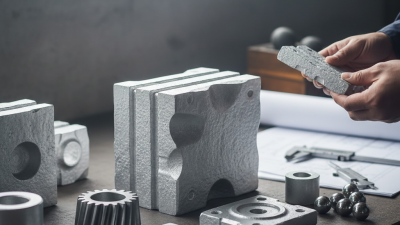
Inspecting castings for porosity and inclusions is equally important. Flaws can compromise durability. A reliable supplier should conduct thorough quality checks. Additionally, consider the heat treatment processes used, as they significantly enhance the mechanical properties of the castings.
However, even established suppliers can have variations in quality. Engage in regular audits to assess their capabilities. It’s essential to maintain open communication regarding any discrepancies you observe. Addressing issues promptly can lead to improvements in future orders.
Evaluating Different Suppliers and Their Manufacturing Capabilities
When sourcing wear-resistant steel castings, it's crucial to evaluate suppliers thoroughly. Begin by reviewing their manufacturing capabilities. Look for advanced technologies such as CNC machining and automated processes. These factors often indicate a supplier’s commitment to quality. An on-site visit can be insightful. Observing operations and equipment helps gauge their efficiency and standards.
Next, assess the supplier's experience in producing wear-resistant materials. A company with a long history may offer better insights into material behavior in various applications. Ask for case studies or references from past projects. This can provide a clearer picture of their expertise and reliability.
Moreover, consider their quality control measures. Effective procedures, such as regular inspections and testing, should be part of their workflow. A lack of transparency in this area can raise red flags. Don't hesitate to inquire about certifications. Proper certifications indicate adherence to industry standards, which enhances trust in the supplier’s capabilities. Always gather as much information as possible to make a well-informed decision.
Analyzing Cost-Effectiveness and Pricing Structures in Sourcing
When sourcing wear resistant steel castings, understanding cost-effectiveness and pricing structures is crucial. According to a recent report from the American Foundry Society, price variations in castings can range from 10% to 30% based on material quality and supplier reputation. This disparity emphasizes the need for critical evaluation of potential suppliers. It is essential to analyze the total cost of ownership, which includes factors like long-term durability and maintenance needs.
Another significant aspect is the pricing structures used by suppliers. Some manufacturers adopt a cost-plus pricing model, while others may use competitive bidding. A study by the Foundry Management and Technology journal revealed that 40% of companies experienced unexpected cost increases due to poor supplier communication. Clear and regular dialogue is vital to avoid misunderstandings.
Moreover, while cheaper options may seem appealing, they often yield higher replacement costs over time. For instance, a compromised casting might need replacement within one year, whereas high-quality options could last three to four years. Investing in quality can ultimately lead to savings. However, it’s essential to balance quality and cost. Not every supplier offers transparency regarding their pricing methods, which can lead to challenges in decision-making.
Implementing Quality Control Measures During the Sourcing Process
Quality control measures are essential when sourcing wear-resistant steel castings.
The casting industry faces numerous challenges, including material inconsistencies and production defects.
A recent industry report indicated that nearly 15% of castings fail to meet quality standards during the initial inspection.
This statistic highlights the importance of implementing rigorous quality assessment protocols.
One effective strategy is to perform material testing.
Conducting hardness and tensile strength tests can ensure the steel meets specific material properties.
Many experts suggest collaborating with testing laboratories to validate claims made by suppliers. According to the American Foundry Society, using independent third-party assessments increases the likelihood of sourcing high-quality materials.
Another critical aspect is supplier audits.
Regular audits help identify potential risks in the supply chain. A survey found that 30% of sourcing professionals believe supplier performance is unpredictable.
Thus, establishing a comprehensive audit system can mitigate risks associated with sourcing.
These efforts can foster better relationships with suppliers and enhance product reliability over time.