Leave Your Message

What Are White Iron Castings and Where Are They Used?

White Iron Castings are specialized ferrous components designed for severe abrasive wear. Their white fracture surface comes from carbon-rich iron compounds, especially iron carbides, rather than free graphite. This structure creates high hardness and strong resistance to sliding, impact, and mineral abrasion. It also reduces toughness, so engineers must control impact loads carefully.

The World Foundry Organization’s Census of World Casting Production identifies ferrous castings as a major part of global manufacturing. Its findings help explain the continuing demand for wear-resistant components in mining, cement, power generation, and heavy equipment. The U.S. Geological Survey’s Mineral Commodity Summaries also documents the continuing importance of iron and steel raw materials in industrial supply chains. These reports provide useful market context, although they do not measure White Iron Castings separately.

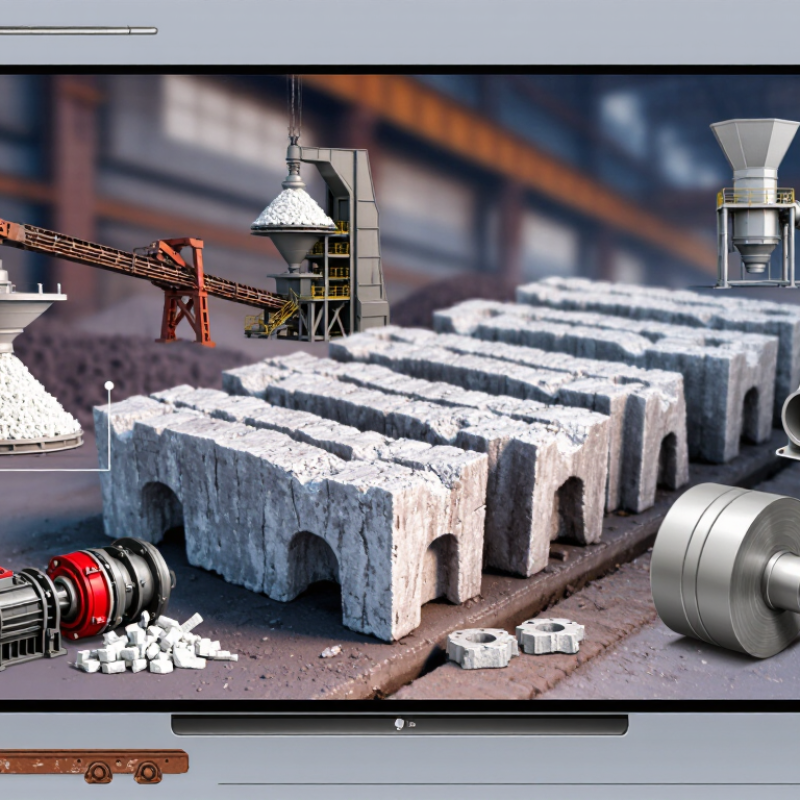
Their applications are highly practical. A crushed-stone plant may use white iron liners inside a cone crusher. A cement facility may install alloyed white iron parts near grinding zones. Slurry pumps, mill rolls, shot-blasting equipment, and railway braking components can also use these castings. ASTM A532 provides widely recognized guidance for abrasion-resistant white iron grades, including alloyed chromium white irons.

The material is not a universal solution. High hardness can bring brittleness, difficult machining, and sensitivity to unexpected impact. Selection should consider chemistry, casting thickness, heat treatment, operating temperature, and actual wear patterns. Some supplier claims appear broader than the available evidence supports. Field inspection remains essential. A properly chosen grade can extend service life, but poor design may turn a hard casting into an expensive failure.
What Are White Iron Castings and Where Are They Used?

Definition and Basic Characteristics of White Iron Castings

White iron castings are iron-based castings with a hard, brittle structure formed during solidification. Their fracture surface appears white and crystalline, unlike the gray surface of gray iron. This appearance comes from carbon combining mainly with iron to form cementite, rather than separating as graphite flakes. The result is a casting with high hardness and strong resistance to abrasive wear.

White iron is difficult to machine. Cutting tools can wear quickly, and sudden impact may cause cracking or breakage. Its performance depends on chemical composition, cooling rate, section thickness, and heat treatment. A thin edge may become extremely hard, while a thicker area can develop a different internal structure. That variation matters.

It is commonly used in slurry pump parts, crusher liners, grinding balls, mill plates, and other components exposed to sand, minerals, or repeated abrasion. In these applications, surface hardness can extend service life. However, white iron is not automatically the best choice. Engineers must examine impact loads, operating temperature, casting size, and repair requirements. A part that resists wear may still fail under shock.

The definition sounds simple.

In practice, it is not perfectly uniform. Metallographic testing, hardness checks, and fracture inspection provide more reliable evidence than appearance alone. Even experienced technicians should question a casting that looks correct but performs poorly in service.
How White Iron Castings Are Made

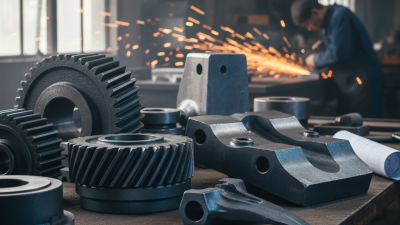
White iron castings are made for severe wear, not easy machining. Their bright fracture surface comes from cementite, a hard iron-carbon compound. This structure forms when molten iron cools quickly and contains limited silicon. Foundries melt selected iron materials in a furnace, then pour the liquid into prepared molds. Chill plates or thin mold sections can speed cooling and create a whiter structure.

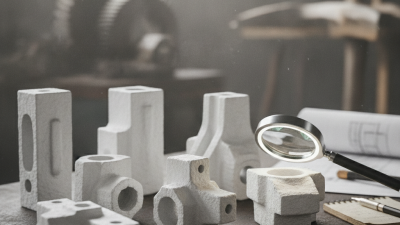
After solidification, technicians inspect the casting for hardness, cracks, and uneven cooling marks. A microscope may reveal cementite networks mixed with pearlite. The balance matters. Too much hardness can increase wear resistance but make the casting dangerously brittle. In practice, the result is not always perfectly uniform. That small uncertainty matters during design and quality checks. Engineers often adjust chemistry, pouring temperature, and mold conditions before approving production.

Tips: Keep sections reasonably uniform. Sudden thickness changes can produce internal stresses. Check hardness at several locations, not just one convenient surface. White iron is difficult to machine, so plan dimensions carefully before casting. It is commonly used for crusher liners, grinding balls, pump parts, rolls, and other components exposed to abrasion. However, it may fail under strong impact. Selecting the material only by hardness is a mistake. Wear conditions, load changes, cooling rate, and maintenance records should all influence the final choice.

Key Properties That Shape Their Performance

What Are White Iron Castings and Where Are They Used?

Key Properties That Shape Their Performance

White iron castings are wear-resistant alloys with carbon locked mainly in iron carbides. Their bright fracture surface gives them their name. The carbide network creates high hardness, while the metallic matrix supports load transfer. ASM Handbook, Volume 15, reports typical white iron hardness values of roughly 400–700 HB, depending on chemistry and heat treatment. That range is significant. A harder grade can resist abrasive sand, ore, and cement particles for longer periods.

The trade-off is brittleness. White iron usually handles compression well but performs poorly under impact or sudden thermal shock. ASTM A532/A532M therefore specifies alloy classes using chromium, molybdenum, and other elements to control carbide structure and matrix strength. In service, chromium-rich grades often suit corrosive slurries, while lower-alloy grades may fit dry abrasion. The selection cannot rely on hardness alone.

You can find white iron in crusher liners, slurry-pump parts, mill plates, shot-blast components, and mineral-processing chutes. A rough quarry liner may face continuous particles moving at several meters per second. Its surface needs resistance, but its backing must absorb vibration. This detail is often missed. A 2022 review in Wear noted that wear rates depend strongly on particle shape, impact angle, load, and microstructure. Laboratory numbers can mislead. Field inspection, fracture analysis, and replacement records remain essential before choosing a grade.

Common Industrial Uses of White Iron Castings

What Are White Iron Castings and Where Are They Used?

White iron castings contain hard iron carbides within a metallic matrix. These carbides create a bright, fracture-like surface after machining or breaking. Their main advantage is exceptional resistance to sliding and abrasive wear. However, white iron is hard and brittle. It can crack under sudden impact or severe thermal shock.

Common industrial uses of white iron castings include crusher liners, grinding mill liners, and wear plates. In mining plants, these parts contact crushed rock, ore, and mineral concentrates every day. Slurry pump casings and impellers may also use high-chromium white iron. The material withstands abrasive particles moving through wet processing systems. Cement plants use it in separator components and grinding equipment. Asphalt facilities often install white iron liners inside aggregate handling systems.

Shot-blasting machines rely on white iron castings for cabinet liners and internal wear plates. These components face repeated contact with steel shot and rough castings. Coal handling systems can use them in chutes, transfer points, and feeder parts. The correct grade depends on particle size, impact energy, temperature, and operating moisture. Choosing only by hardness can produce disappointing results. A very hard liner may last longer against abrasion but fail suddenly under impact. Design reviews should include feed conditions, mounting support, and inspection access. The choice is rarely perfect. Cost, replacement time, and worker safety also influence the final decision.

What Are White Iron Castings and Where Are They Used? - Common Industrial Uses of White Iron Castings
Industrial Sector Typical Component Main Wear Mechanism Why White Iron Is Used Common Material Type Key Limitation
Mining and Mineral Processing Crusher liners, breaker bars, and impact plates Impact combined with severe sliding abrasion Hard carbide phases resist the cutting and gouging action of crushed rock and ore. Alloyed white iron, often high-chromium white iron Brittleness can cause cracking where impact loads are excessive.
Grinding and Milling Mill liners, grinding balls, and lifter bars Repeated abrasion from mineral particles High hardness helps reduce material loss during continuous grinding service. High-chromium white iron or other abrasion-resistant white irons Not generally preferred for applications requiring high toughness or significant deformation.
Slurry Handling Pump impellers, casings, and suction liners Erosive wear from sand, mineral solids, and abrasive slurry The hard microstructure withstands particle impact and sliding within the wetted flow path. High-chromium white iron selected for the slurry chemistry Material selection must account for corrosion; hardness alone does not ensure chemical resistance.
Cement and Aggregate Production Chute liners, classifier parts, and separator components Sliding abrasion from cement clinker, limestone, and aggregate High wear resistance can extend service intervals in dry bulk-material equipment. White iron and high-chromium white iron grades Sharp impact, thermal shock, or misalignment may initiate cracks.
Shot Blasting and Surface Preparation Cabinet liners, blast-wheel components, and wear screens High-velocity impact and abrasive media contact A hard carbide-rich surface helps resist repeated contact with steel shot or grit. Alloyed white iron designed for abrasive service Thin sections and unsupported areas are vulnerable to impact fracture.
Metal Rolling and Strip Processing Chilled cast iron rolls and wear-resistant roll surfaces Rolling contact, surface abrasion, and localized thermal effects A hard outer layer can provide wear resistance while the supporting section supplies structural strength. Chilled or alloyed white iron surface structures Poor control of residual stress or cooling conditions can lead to spalling or cracking.
Coal, Coke, and Bulk Solids Handling Feeder liners, pulverizer parts, and transfer-point liners Gouging abrasion and repeated particle impact High surface hardness helps protect equipment exposed to hard, irregular solids. Abrasion-resistant alloyed white iron Severe shock loading may require a tougher steel or ductile iron alternative.
General Wear Protection Replaceable wear plates, liners, and sacrificial inserts Sliding, scratching, and low-to-moderate impact abrasion White iron offers high hardness and can be cast into complex wear-part geometries. Unalloyed or alloyed white cast iron, depending on service conditions Machining is difficult; parts are commonly produced close to final dimensions.
Material overview: White cast iron is a ferrous casting in which carbon is primarily present as cementite and other carbide phases rather than graphite. This structure provides high hardness and excellent abrasion resistance, but it also gives white iron relatively low ductility and impact toughness. Typical hardness may range approximately from 450 to 800 HBW, depending on composition, cooling rate, heat treatment, and casting section size.

Advantages, Limitations, and Material Selection Considerations

White iron castings are iron-carbon alloys with a carbide-rich structure. This structure creates high hardness and strong resistance to sliding abrasion. ASTM A532 specifications show that several abrasion-resistant grades can reach approximately 550–700 HBW, depending on alloy class and heat treatment. The World Foundry Organization’s 2023 census also recorded global casting production above 100 million tonnes, showing the scale of applications requiring engineered wear materials.

Their advantages are clearest in crusher liners, slurry-pump parts, shot-blast equipment, and grinding components. White iron can survive contact with sand, ore, and mineral particles for long operating periods. It also performs well under heavy compression. However, hardness has a price. The material is brittle, difficult to machine, and vulnerable to sudden impact or thermal shock. Welding repairs require careful procedures and may still fail.

Material selection should examine particle size, impact energy, temperature, corrosion, and section thickness. High-chromium grades often suit severe abrasion and corrosive slurries. Nickel-alloyed white iron may fit specific impact and wear conditions. Hardness alone is not enough. Real plants are messier than charts. A grade that lasts in dry ore service may crack inside a wet pump casing. Trial data, failure photographs, and maintenance records should guide the final choice. Misjudging impact loads remains an expensive mistake.