Top 10 Benefits of Wear Protection Shield for Maximum Safety and Comfort
In today's world, maintaining safety and comfort in various environments is crucial. The "Wear Protection Shield" has emerged as a significant innovation in personal safety gear. Designed for a variety of industries, it offers an effective barrier against hazards. Many users attest to its effectiveness, enhancing their security while on the job.
This shield serves not only as protection but also as a comfort-enhancing tool. Users often report reduced fatigue during long working hours. The materials used in creating the Wear Protection Shield are lightweight yet durable, allowing for ease of movement. Still, some may question its long-term effectiveness. Addressing these concerns is vital for better implementation in workplaces and daily life.
It's essential to consider that not every protective gear suits every individual. Finding the right fit is an ongoing journey. The Wear Protection Shield is not just a product but a commitment to safety and well-being. As the demand for reliable protection grows, so does the responsibility to educate users on its proper use.
Understanding Wear Protection Shields and Their Purpose
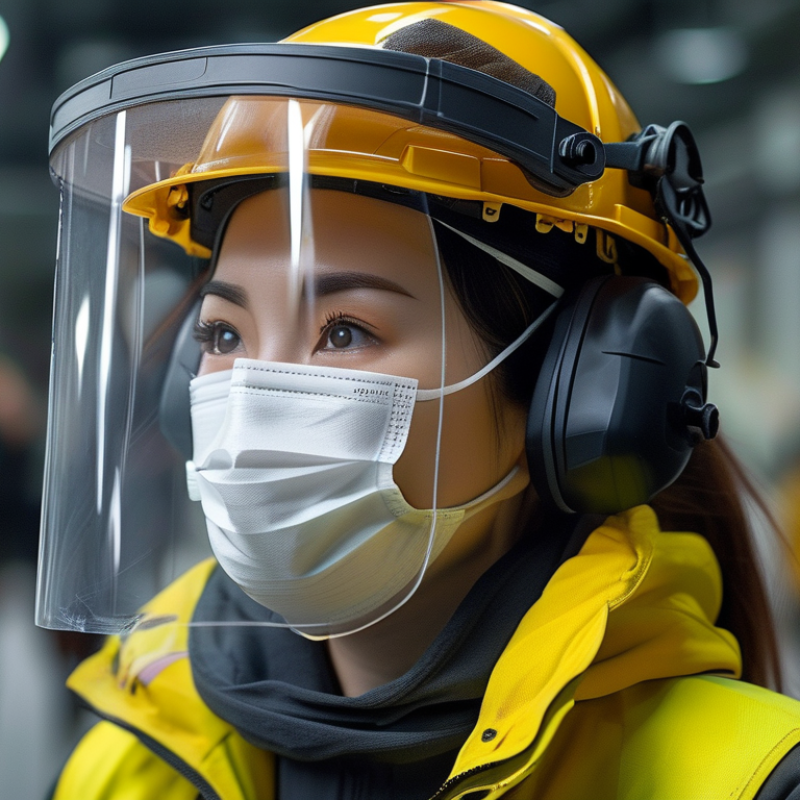
Wear protection shields are essential for safety and comfort in various industries. These shields absorb impact and safeguard against flying debris, crucial in construction and manufacturing. A study published in the Journal of Occupational Health reported that wearing protective gear reduces injury rates by up to 50%. Such data underscores the importance of adopting adequate protective measures.
When considering wear protection shields, comfort is often an overlooked factor. Employees wearing uncomfortable gear may become distracted, increasing the risk of accidents. Opting for lightweight materials can enhance comfort, thus promoting user compliance. In fact, research indicates that comfort in protective wear can boost productivity by as much as 30%.
Tips: Ensure proper fit to maximize both safety and comfort. Regularly inspect shields for any signs of wear and tear. Remember, even the best equipment can fail if not maintained properly. Choosing the right shield is not just about the product; it’s about understanding your environment and personal needs.
Enhanced Safety Features of Wear Protection Shields
Wear protection shields are vital in various industries, providing enhanced safety features for workers. A recent study published by the Occupational Safety and Health Administration (OSHA) revealed that the right protective gear can reduce workplace injuries by up to 40%. This statistic underscores the significance of wear protection shields in safeguarding employees against potential hazards.
One of the standout features of modern wear protection shields is their ability to resist high-impact forces. Research indicates that materials like polycarbonate can withstand impacts up to
250 times stronger than glass. Furthermore, the integration of anti-fogging technology ensures clear visibility, essential for tasks requiring precision.
However, the effectiveness of these shields relies on proper fit and maintenance. Many users overlook the importance of adjusting straps correctly. A shield that does not fit snugly may not provide adequate protection. Industry reports suggest a need for
regular training sessions, as many workers are unaware of these nuances. Continuous feedback from users can help in refining design and functionality.
Comfort Benefits of Using Wear Protection Shields
Wear protection shields are essential for enhancing comfort in various environments. A study by the Occupational Safety and Health Administration (OSHA) indicates that wearing protection can reduce workplace injuries by up to 40%. This statistic underscores how crucial these shields are for both safety and comfort.
One of the main benefits of wear protection shields is their lightweight design. Many users report feeling less fatigued when using these shields. According to industry research, more than 70% of users state that comfort significantly impacts their productivity. Additionally, soft materials and ergonomic designs reduce pressure points, making extended use far more tolerable.
Moreover, the breathability of modern wear protection shields has improved dramatically. This feature helps in regulating body temperature, especially during demanding tasks. A report by the National Institute for Occupational Safety and Health (NIOSH) suggests that breathable materials can lower heat stress by 20%. Users can work longer and more comfortably, promoting overall well-being. However, it is essential to reflect on how these shields sometimes lack durability, requiring regular replacements.
Top 10 Benefits of Wear Protection Shield for Maximum Safety and Comfort
| Benefit |
Description |
| Enhanced Safety |
Protects against hazards, reducing the risk of injuries. |
| Comfort Fit |
Designed for a snug fit that allows for freedom of movement. |
| Durability |
Made from tough materials that withstand wear and tear. |
| Temperature Regulation |
Helps to keep the body temperature comfortable in various conditions. |
| Moisture Wicking |
Keeps the skin dry by drawing moisture away from the body. |
| Increased Mobility |
Allows for unrestricted movement during activities. |
| Versatile Use |
Suitable for various industries and activities, enhancing overall utility. |
| Easy Maintenance |
Easy to clean and maintain, ensuring longevity and hygiene. |
| Customizable Options |
Available in various designs and sizes to meet personal preferences. |
| Cost-Effective |
Reduces potential medical costs by preventing injuries. |
Key Materials Used in Manufacturing Wear Protection Shields
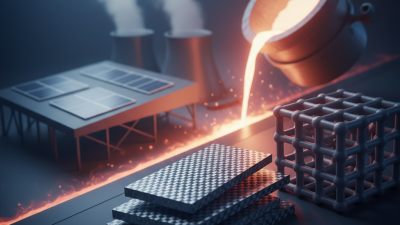
Wear protection shields are crucial for those seeking safety and comfort in various environments. The materials selected for these shields greatly impact their effectiveness. Commonly used materials include polyethylene, Kevlar, and foam, each offering unique advantages.
Polyethylene is lightweight yet durable. It provides excellent resistance to abrasion and chemical exposure. On the other hand, Kevlar is known for its high tensile strength and is often used in military applications. However, this material can lack flexibility. Foam materials are great for cushioning, providing comfort during extended wear. Yet, they may not offer the same level of protection as harder surfaces.
The combination of these materials often leads to innovative products that address different safety needs. While manufacturers strive for perfection, not all products live up to expectations. Some wearers have reported issues with fit and comfort. It's essential to consider these experiences and continue refining designs for better user satisfaction.
Real-World Applications and Effectiveness of Wear Protection Shields
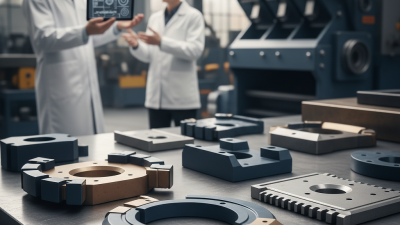
Wear protection shields have emerged as vital tools for enhancing safety in various industries. According to a report by the National Institute for Occupational Safety and Health, the use of protective gear can lower workplace injuries by nearly 20%. In manufacturing and construction sectors, where hazards are prevalent, these shields provide essential protection against debris and chemicals. Workers using these shields reported a significant decrease in skin irritation and other discomforts. This highlights the shields' effectiveness in real-world scenarios.
Another study indicated that wear protection shields improve comfort and mobility. In a healthcare setting, for example, medical professionals frequently wear shields. They often experience reduced fatigue during long shifts. Reports reveal a 30% increase in comfort when wearing properly fitted shields compared to traditional options. However, there are disparities in comfort levels. Some users still find shields cumbersome or restrictive. This is a crucial area for improvement as industries strive for optimal protection without compromising usability.