How to Choose the Best Ductile Iron Fittings for Your Project?
Choosing the right Ductile Iron Fittings is crucial for any project. These fittings are known for their strength and durability. However, understanding their specifications can be challenging. This guide aims to simplify the selection process.
Ductile Iron Fittings come in various shapes and sizes. Each type serves different needs and applications. Consider the environment where these fittings will be used. Factors like temperature and pressure can significantly impact their performance. A fitting that works well in one situation may not be suitable for another.
Additionally, it is essential to weigh the options available in the market. Many brands promise quality, but not all deliver. Researching reliable manufacturers can help avoid poor choices. Seek advice from industry experts. Their insights can illuminate the key features to prioritize. Ultimately, making an informed decision about Ductile Iron Fittings is vital for the success of your project.
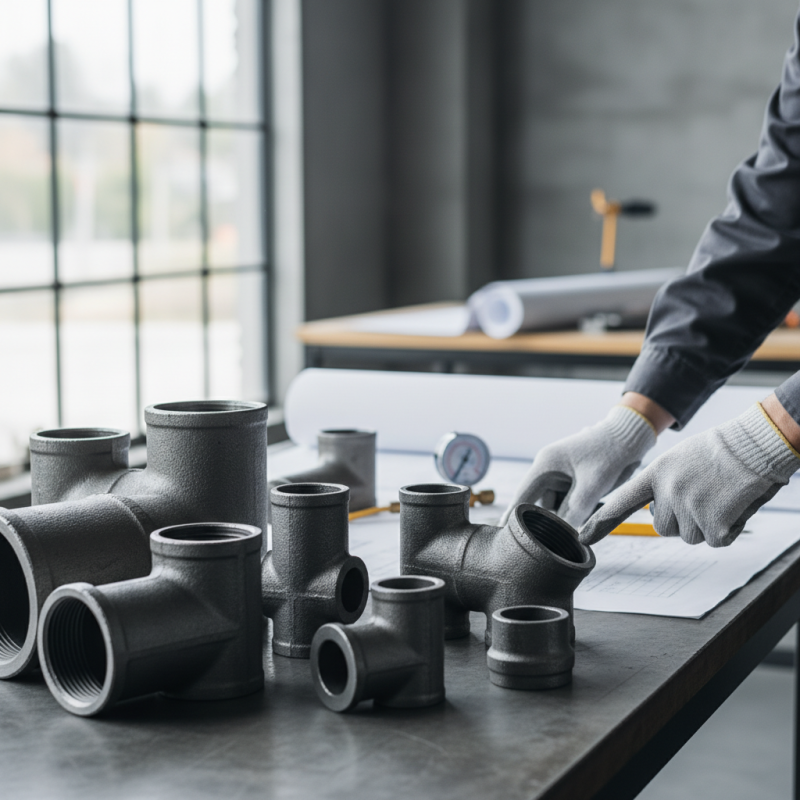
Understanding Ductile Iron Fittings and Their Applications
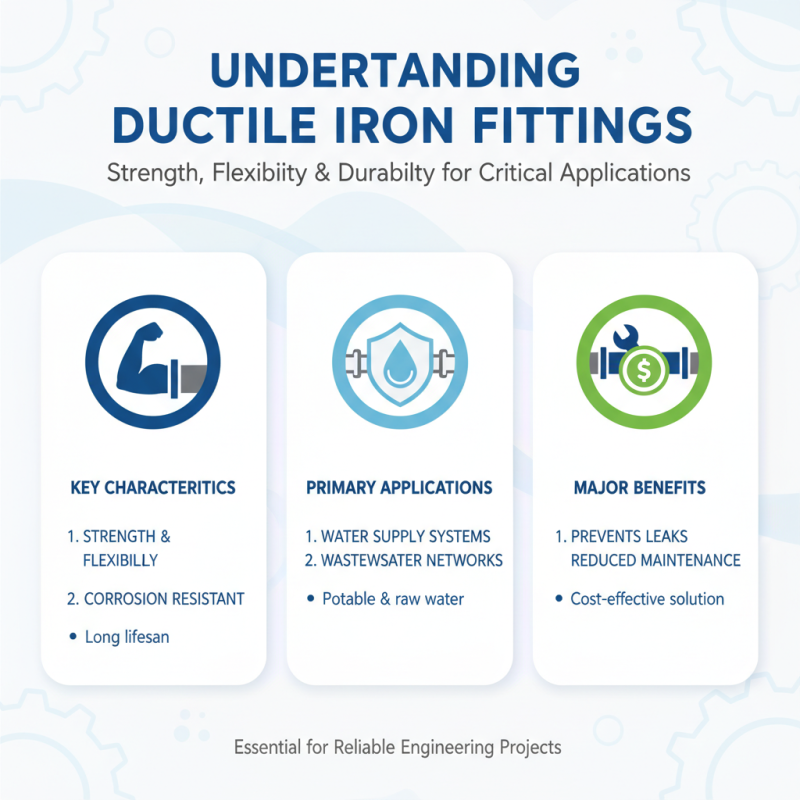
Ductile iron fittings play a vital role in various engineering projects. They are known for their strength and flexibility, making them suitable for a range of applications. These fittings are often used in water supply and wastewater systems. Their durability helps prevent leaks and reduce maintenance costs over time.
When selecting ductile iron fittings, consider the specific requirements of your project. Assess the operating pressures and temperatures. Also, think about the environment where the fittings will be installed. Different applications may demand varying corrosion resistance and strength. A careful analysis will lead to better performance.
**Tip:** Always consult industry standards. These guidelines ensure the fittings meet safety and performance criteria.
Another factor is the installation process. Ductile iron fittings can be heavy and require proper handling. Incorrect installation might lead to failures or leaks. It's essential to have experienced professionals handle the fittings during installation.
**Tip:** Use proper tools for installation. This reduces the risk of damaging the fittings or causing accidents.
Ultimately, understanding ductile iron fittings is key. Their varied applications highlight their importance in industry. Balancing your project's needs with the characteristics of the fittings will lead to successful outcomes.
Key Factors to Consider When Choosing Ductile Iron Fittings
When selecting ductile iron fittings for your project, several key factors must be considered. Ductile iron is favored for its superior strength and durability. According to industry data, ductile iron can withstand high pressures and is often used in water and wastewater applications due to its resistance to corrosion. However, it's critical to evaluate the specific requirements of your project. For instance, temperature fluctuations can affect the material's performance, leading to unexpected failures if not addressed.
Another factor is the fitting sizes and configurations. The correct dimensions ensure a proper fit and functionality. A study from the American Society of Civil Engineers shows that improper fitting sizes can lead to increased maintenance costs by up to 30%. It is essential to work closely with suppliers to ensure the right specifications are met. Don't overlook the importance of compliance with local regulations, as this can impact both safety and project success.
Lastly, consider the installation environment. Fittings exposed to harsh weather or chemicals may require additional protective features. Research has shown that 15% of failures in fittings occur due to environmental factors. While ductile iron is resilient, project managers must anticipate potential risks and incorporate contingency plans. This comprehensive approach is vital for achieving optimal performance in your project.
Key Factors in Choosing Ductile Iron Fittings
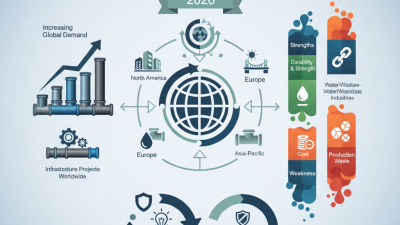
This chart illustrates the importance of various factors when selecting ductile iron fittings for projects. Durability and corrosion resistance rank the highest, emphasizing their critical roles in ensuring the longevity and reliability of piping systems.
Evaluating Quality Standards for Ductile Iron Fittings
When selecting ductile iron fittings for your project, evaluating
quality standards is paramount. Look for fittings that meet established
industry standards. These typically include specifications set by organizations such as ASTM
and ISO, which ensure durability and performance. The quality of material significantly affects
the longevity of the fittings. A reliable fitting can withstand harsh conditions, reducing future maintenance costs.
Tips: Always verify that the fittings come with a certification.
This substantiates their compliance with quality benchmarks, enhancing your project's reliability.
Consider the manufacturing process as well. Higher quality often results from advanced production techniques and
stringent quality control measures.
Another critical aspect is the fitting's coating. Proper coatings
protect against corrosion and wear. If these coatings fail, it leads to premature failure.
You might encounter discrepancies in coating quality. Be cautious and research the specifics
before making a decision. Ultimately, investing time in evaluating quality standards will yield
significant benefits for your project.
Comparing Costs and Lifespan of Different Ductile Iron Options
When selecting ductile iron fittings, cost and lifespan are pivotal factors. Ductile iron offers durability, making it a popular choice. However, variations exist among different options. Generally, lower-cost fittings may compromise longevity. Understanding the price difference helps in making informed decisions.
In an ideal scenario, selecting fittings involves weighing initial costs against potential maintenance expenses. Over time, cheaper fittings may require frequent replacements, leading to higher costs. A durable option, while more expensive upfront, saves money long-term. The installation environment also influences lifespan. For instance, fittings exposed to harsh conditions might wear out quicker.
Reflecting on project needs is essential. Assessing soil conditions, fluid types, and pressure can guide optimal fitting choices. A thoughtful analysis can prevent costly repairs down the line. Consider consulting industry experts for tailored advice, as their experience can provide valuable insights. Making informed selections ensures a balance between cost and performance.
Installation and Maintenance Tips for Ductile Iron Fittings
When it comes to installing ductile iron fittings, understanding the process is crucial. Begin by preparing the site properly. Ensure the work area is clean and free of debris. This helps prevent contamination during the installation. Verify that the pipe ends are cut squarely. Misaligned cuts can lead to leaks.
During installation, use the correct tools. A torque wrench can help achieve accurate fittings. Avoid over-tightening, which can cause damage. Pay close attention to gaskets. Inspect them for any signs of wear or defects. A small flaw can lead to significant issues later.
Maintenance is another vital aspect. Regularly check for corrosion and wear. It’s advisable to monitor connection points too. Leaks can develop slowly and go unnoticed. Addressing minor issues early can save time and money. Collect feedback from your team about installation challenges. Reflection can lead to improved practices over time.