Leave Your Message

How to Choose High Chrome Cast Iron in 2026

Choosing High Chrome Cast Iron in 2026 starts with the job it must perform. A mill liner facing coarse ore has different demands from a pump part handling abrasive slurry. Identify the material, particle size, operating temperature, impact level, and expected service life before comparing grades. Small details matter. A few unexpected impacts can change which balance of wear resistance and toughness is suitable.

Chromium content helps form hard carbides that resist abrasion, but chemistry alone cannot predict performance. Ask suppliers for current material certificates, hardness results, and microstructure information. Check how casting quality and heat treatment are controlled, and confirm that test results represent the component you plan to buy. Then compare those records with field conditions, not just a headline hardness value. That sounds simple. It isn’t. Poor fit, uneven loading, or installation problems can shorten service life even when the alloy is appropriate.

A reliable selection process weighs wear resistance against impact toughness, component geometry, lead time, and replacement costs. Request references from applications with comparable operating conditions, and clarify how performance claims were measured. If the evidence is incomplete, arrange a controlled trial or inspect a representative sample before committing to a large order. No grade is best for every plant. The right choice is the one supported by traceable data and realistic operating experience, while leaving room to revise assumptions when actual wear patterns appear.
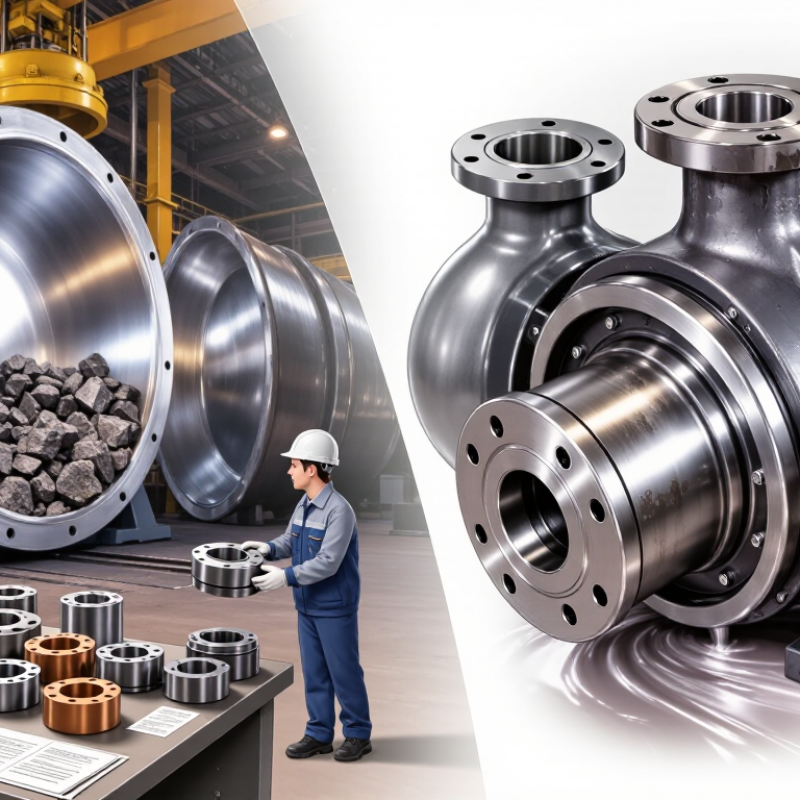
How to Choose High Chrome Cast Iron in 2026

Identify the Operating Conditions and Wear Requirements

High-chrome cast iron is often selected for abrasive wear, but the operating conditions matter more than a hardness number alone. Identify what the part contacts: sharp ore, sand, slurry, or rounded material. Record particle size, feed rate, and whether impacts occur during loading. Small details matter. A chute handling fine, steady flow faces different wear from a crusher receiving large rocks.

Check temperature, moisture, and chemistry as well. Wet, acidic service can change the corrosion risk, while repeated heavy impacts may expose the material’s limited toughness. Review the component’s shape, thickness, and support, since thin edges and poorly supported areas can fail early. Ask suppliers for relevant wear-test data and confirm that the alloy and heat treatment match the service. One uncomfortable caveat: plant records are often incomplete. Use inspection notes and failed-part photos, but treat estimates cautiously.

Tips: Track wear depth at fixed locations and note operating hours between inspections. Compare parts under similar conditions, not just by service life. Don’t choose by hardness alone. If impact damage appears, reassess the duty cycle and consider whether a tougher material is more suitable.
Compare Chromium Content, Hardness, and Microstructure

Choosing high chrome cast iron in 2026 means matching chromium content, hardness, and microstructure to the wear conditions. Chromium supports the formation of hard carbides, but a higher percentage alone does not guarantee longer service life. Numbers are only clues. Check the specified chemistry against the actual operating environment, including abrasive particles, impact, and temperature.

Hardness helps compare resistance to indentation, but it cannot describe every failure mode. A very hard casting may resist sliding abrasion yet perform poorly under repeated impact. Ask which test method and measurement location the supplier used; readings can vary across a casting. For a pump liner handling gritty slurry, consistent hardness through the wear zone may matter more than one impressive surface result.

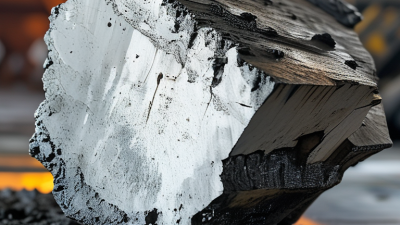
Microstructure reveals how chromium carbides are distributed and what surrounds them in the metal matrix. Fine, evenly dispersed carbides can support wear resistance, while coarse or uneven structures may create weak areas. Review a metallographic sample alongside chemical and hardness reports, and confirm the heat-treatment condition. It is tempting to rank materials by one headline number. That shortcut can miss casting variation and real service demands. A carefully chosen grade should fit the balance of abrasion and impact, not just the toughest-looking specification.

Evaluate Casting Quality and Applicable Standards

Choosing high chrome cast iron in 2026 means checking both the casting and its specification. The World Foundry Organization’s 2023 census put global casting production at about 109 million tonnes in 2022. That scale makes traceable requirements important, but volume alone says nothing about a particular component’s quality. For abrasion-resistant iron, compare the purchase specification with ASTM A532/A532M or ISO 21988. Check the exact grade, chemistry limits, heat-treatment condition, and hardness requirements; the standard edition and agreed acceptance criteria matter.

Ask for the heat number, material test report, hardness readings, and inspection records. Check that sample locations and test methods are stated, then compare results with the drawing or purchase order. Look closely at machined surfaces for shrinkage, cracks, and inconsistent finish, and ask how the producer controls carbide distribution and section thickness. Hardness alone can mislead. A single reading may miss variation across a thick casting. Numbers need context. One caveat: visual inspection cannot confirm internal soundness, so specify suitable non-destructive testing where the application warrants it. Keep records of deviations and approvals; small gaps in paperwork can make a compliant-looking casting hard to verify.

How to Choose High-Chrome Cast Iron in 2026: Evaluate Casting Quality and Applicable Standards

These representative chromium targets illustrate common high-chromium alloy levels; they are not ASTM acceptance limits or a substitute for a specified grade. Confirm the required chemistry and casting requirements with the applicable ASTM A532/A532M specification, then assess hardness and microstructure using suitable test methods such as ASTM E10 and ASTM E3/E407.

Match Alloy Grades to Equipment and Service Conditions

High chrome cast iron should be selected by matching its wear resistance to the equipment’s actual service conditions. A mill liner facing fine, abrasive ore may benefit from a harder, carbide-rich grade. A slurry pump part exposed to larger particles and repeated impacts may need a tougher balance instead. Hardness alone is not enough. Excessive carbide content can improve abrasion resistance but increase the risk of cracking under impact.

Look beyond the grade name. In 2026, suppliers may use different specifications or heat treatments for similar labels, so compare the stated chemistry, hardness range, and heat-treatment condition. Ask how the material performs at the operating temperature and whether the component sees impact, corrosion, or sudden load changes. Field records help: note where wear begins, how deep it becomes, and how many operating hours pass before replacement. Small details matter.

Test the choice against real duty. A short trial on one liner or pump component can reveal issues that a datasheet misses. A clean calculation can still overlook uneven feed or a loose fit. That happens. Review inspection findings with maintenance staff, then adjust the alloy grade or component design before ordering a full set.

How to Choose High Chrome Cast Iron in 2026 — Match Alloy Grades to Equipment and Service Conditions
Alloy Family Typical Chromium Content Typical Wear Character Suitable Equipment Best-Fit Service Conditions Selection Considerations
Medium-chromium white iron Approximately 12–18% Cr Hard chromium carbides in a heat-treated matrix; offers strong resistance to mineral abrasion. Crusher liners, mill liners, slurry-pump parts, and wear plates Steady sliding or gouging abrasion from ore, sand, or other hard particles, with limited impact. Often a practical choice where abrasive wear dominates. Verify impact severity and casting section size with the supplier.
High-chromium Cr-Mo iron Approximately 15–28% Cr; molybdenum may be added Chromium carbides provide abrasion resistance; alloying and heat treatment can help control matrix properties and hardenability. Grinding-mill liners, crusher components, and slurry-handling wear parts Severe mineral abrasion and applications where sections require suitable through-hardening response. Consider when the part is thick or wear conditions are demanding. The appropriate chemistry and heat treatment depend on section thickness and service impact.
High-chromium 25% Cr family Approximately 23–28% Cr High carbide content can provide excellent resistance to abrasive wear; the matrix is commonly selected through heat treatment. Mill liners, pump liners, slurry-pump impellers, and high-wear process components Highly abrasive mineral slurries or dry abrasion where impact is low to moderate. May offer improved performance in some abrasive services, but higher chromium does not make the material universally corrosion-proof or impact-resistant.
Low-chromium, nickel-modified white iron Typically around 11–14% Cr, with nickel additions used in some grades Hard carbide structure with an alloyed matrix; the exact balance of hardness and toughness depends on grade and heat treatment. Crusher parts, mill liners, and replaceable wear components Abrasive service where a specific balance of hardness, casting geometry, and operating impact is required. Specify the applicable material standard and grade rather than relying on a generic “high chrome” description; nominal chemistry and properties vary by specification.
General selection check Use the specified grade’s chemistry range—not chromium content alone Hardness is influenced by alloy chemistry, heat treatment, section size, and test location. All listed equipment types Match the alloy to particle hardness and size, abrasion mode, impact energy, slurry conditions, and operating temperature. Request the applicable specification (such as ASTM A532 where relevant), heat-treatment details, hardness test method and location, and service references for comparable conditions.
Impact and failure-risk check Not determined by chromium percentage alone White irons are hard and wear-resistant but are generally less tolerant of impact than many steel alloys. Chutes, feed-end liners, crusher parts, and components exposed to tramp material Applications with shock loading, large feed, misalignment, or sudden temperature changes. Where impact is substantial, assess a tougher material or design, reduce impact through operating changes, and validate the choice with the equipment and foundry engineers.
Corrosion and temperature check Evaluate the full alloy composition and service environment High chromium can improve resistance in some environments, but high-chrome cast iron is not automatically stainless or suitable for every corrosive service. Pumps, process liners, and hot-material handling parts Wet, acidic, saline, or elevated-temperature service requires application-specific evaluation. Confirm chemical exposure, temperature, and corrosion-abrasion interaction using relevant test data or operating experience; do not select on chromium percentage alone.
Note: Composition ranges and performance descriptions are indicative of common high-chromium white-iron families, not guaranteed limits for every grade. Obtain the governing material specification, certified chemistry, heat-treatment condition, and hardness requirements for the specific casting.

Verify Supplier Capability, Testing, and Lifecycle Cost

How to Choose High Chrome Cast Iron in 2026

A capable supplier should explain how its process controls chemistry, casting quality, and heat treatment. Ask for recent inspection records from parts similar in size and shape to yours. A polished sample is not enough. Request material certificates, hardness results, and microstructure images tied to a specific production batch. For critical components, check whether testing covers the part itself, not only a separate test coupon. Coupons can cool differently.

That detail is easy to miss.

Discuss inspection methods before placing an order. Depending on the component, dimensional checks, ultrasonic examination, or other non-destructive tests may help reveal defects. Confirm who performs each test and how results are recorded. Then compare lifecycle cost, not just purchase price. Estimate expected wear life, replacement frequency, machining needs, and the cost of downtime. A cheaper casting may become costly if it wears unevenly or arrives outside tolerance. Ask for field data where available, but treat estimates cautiously; operating conditions vary. I would still leave room for a controlled trial. No spreadsheet fully predicts service life.