High Chromium White Cast Iron Benefits for Global Buyers?
High Chromium White Cast Iron has emerged as an essential material in various industries. It offers significant wear resistance and durability, making it ideal for heavy-duty applications. According to a recent industry report by ResearchAndMarkets.com, the global market for high-performance cast iron is expected to grow by 5% annually, reflecting its increasing relevance.
One of the key advantages of High Chromium White Cast Iron is its superior hardness. It typically contains over 12% chromium, enhancing its resistance to abrasion. Data from metallurgical studies indicate that this material can withstand harsh environments, which is critical in sectors like mining and construction. Notably, its applications extend beyond traditional uses, even into energy and automotive sectors.
However, the production process is complex and requires high-quality control. Manufacturers must ensure consistency in the material properties to meet stringent industry standards. Variations can lead to performance issues, highlighting the need for ongoing quality assessments. Ultimately, while High Chromium White Cast Iron presents remarkable benefits, companies should remain vigilant in sourcing and utilizing these materials effectively.
Advantages of High Chromium White Cast Iron for Industrial Applications
High Chromium White Cast Iron exhibits remarkable properties that cater to various industrial applications. This material is primarily known for its high wear resistance, attributed to its unique microstructure, which consists of hard chromium carbide particles. Data indicates that high chromium cast irons can withstand wear up to 10 times greater than standard alloys. This makes it particularly beneficial for industries involved in heavy abrasion, such as mining and construction.
The toughness of high chromium white cast iron is also noteworthy. While its primary strength lies in wear resistance, it can be engineered for improved toughness. Recent studies suggest that tweaking the alloy composition can optimize both wear and impact resistance, catering to specific operational environments. For instance, many manufacturers modify the carbon and chromium content to enhance these characteristics, allowing for a greater application range. Yet, this is a delicate balance; over-optimization may lead to brittleness, which should be carefully monitored during production.
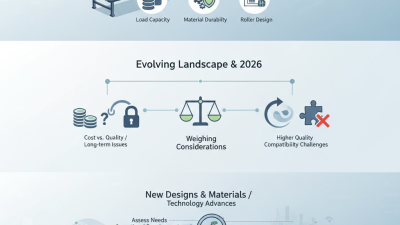
Moreover, the cost-effectiveness of high chromium white cast iron is often debated. While initial costs might be higher than other materials, the longevity and reduced maintenance needs can offer substantial savings over time. However, potential buyers should assess both performance and lifecycle costs to make informed decisions. Misjudgments in application or maintenance could lead to increased operational expenses, undermining the long-term benefits of this robust material.
Market Demand and Growth Forecast for High Chromium White Cast Iron
The demand for high chromium white cast iron is on the rise globally. Its exceptional wear resistance and hardness make it highly sought after in industries like mining, cement, and power generation. Buyers are increasingly recognizing the value of this material in enhancing the durability of machinery components.
Market growth for high chromium white cast iron shows promising trends. Analysts predict an increase due to the expanding industrial sector in developing regions. Emerging economies are investing in infrastructure, fueling the demand for durable materials. Nevertheless, some challenges exist. Variability in raw material prices can impact production costs. Manufacturers must remain vigilant about quality standards to sustain customer trust.
As global buyers explore options, they must weigh the benefits versus costs. High chromium white cast iron offers significant advantages but requires careful consideration. Balancing performance and economic factors is crucial in making informed decisions. While the future looks bright, continuous adaptation to market needs is essential for success.
Comparative Analysis of High Chromium White Cast Iron vs. Other Alloys
High Chromium White Cast Iron (HCWCI) stands out in the world of alloys. Its unique composition offers superior wear resistance and toughness. This makes it a preferred choice in various industries, including mining and cement production. When comparing HCWCI with other alloys, the differences become clear. While many alternatives struggle with wear and tear, HCWCI maintains its integrity much longer.
Other alloys may provide some level of corrosion resistance, but they often fall short in extreme conditions. For instance, HCWCI can withstand abrasive environments better than stainless steel or conventional carbon steel. This leads to longer service life and reduced maintenance costs. However, it's essential to acknowledge that not all applications require high chromium content. An alloy's performance must be evaluated based on specific operational demands.
While HCWCI has many advantages, it is not without critiques. For example, its brittleness can be a concern in certain situations. The machining process can also be challenging due to its hardness. This means that manufacturers need skilled technicians to work with HCWCI effectively. Balancing the benefits and drawbacks is vital for optimal results in industrial applications.
Key Industries Benefiting from High Chromium White Cast Iron Usage
High chromium white cast iron is gaining traction in various industries thanks to its unique properties. This material excels in wear resistance and extreme hardness. Consequently, it finds significant applications in sectors like mining, cement production, and construction. These industries require materials that can withstand harsh environments and heavy loads. High chromium white cast iron meets these demands effectively.
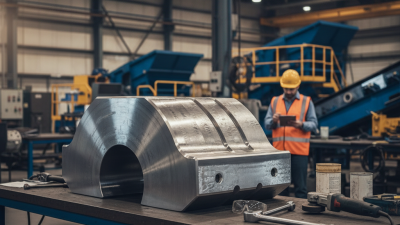
In mining, for instance, equipment faces abrasive materials daily. Here, high chromium white cast iron components such as crusher parts and grinding balls prove invaluable. They last longer than traditional materials, reducing downtime and increasing efficiency. In the cement industry, this iron is utilized in pulverizing equipment. Its exceptional hardness decreases replacement costs significantly. Each of these applications highlights the material's robust capabilities.
Furthermore, some users may overlook potential challenges. For example, while high chromium white cast iron resists wear, it can be brittle. Careful design and engineering are essential to mitigate this risk. Industries must balance performance and durability. Understanding these nuances will enable buyers to make informed decisions. The benefits are clear, but thoughtful consideration remains crucial.
Technical Properties and Performance Metrics of High Chromium White Cast Iron
High Chromium White Cast Iron (HCWCI) offers unique technical properties that appeal to global buyers. This material is characterized by its high wear resistance and durability. Its microstructure is primarily composed of chromium carbides, which enhance its hardness and strength. Such characteristics make it suitable for abrasive environments, like mining and construction.
The performance metrics of HCWCI are impressive. Hardness levels can exceed 60 HRC, making it one of the hardest cast irons available. Despite its strength, the brittleness of HCWCI can be a concern. In some applications, this brittleness may lead to unexpected failures under certain conditions. Buyers should consider the operational environment to ensure compatibility.
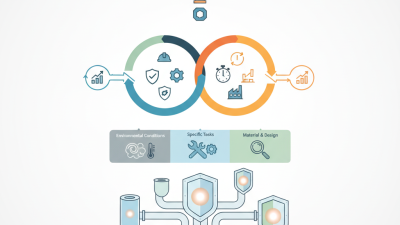
Another noteworthy point is its resistance to corrosion and heat. This makes HCWCI favorable for industries that require materials capable of withstanding harsh conditions. However, buyers must carefully evaluate the alloying elements and casting processes. Variations can impact overall performance, and selecting the wrong parameters can lead to suboptimal results. Understanding these intricacies is essential for maximizing the benefits of HCWCI.