Leave Your Message
China’s casting industry supports demanding sectors such as water treatment, construction, energy, and industrial manufacturing. Casting Fittings connect pipes, valves, pumps, and equipment under changing pressure and temperature conditions. Their quality depends on more than appearance. It reflects material selection, mold design, melting control, machining accuracy, and inspection discipline.
Experienced Chinese manufacturers and suppliers often provide stainless steel, carbon steel, ductile iron, and alloy fittings. Their capabilities may include sand casting, investment casting, die casting, CNC machining, surface treatment, and custom production. Reliable companies can explain their production flow clearly, from pattern preparation to dimensional testing. They should also provide material certificates, inspection reports, and traceable batch information when required. Details matter. A rough sealing face can cause leakage, while poor thread accuracy can delay installation.
This guide examines leading China-based manufacturers and suppliers through practical purchasing criteria. It considers factory experience, technical capacity, quality systems, export communication, delivery performance, and after-sales support. Certifications can strengthen confidence, but certificates alone cannot prove consistent workmanship. Factory audits, sample testing, and clear drawings remain valuable safeguards. No supplier is perfect, and even a polished catalog may hide production limitations. Buyers should ask direct questions about tolerances, pressure ratings, coatings, packaging, and replacement procedures. Small checks prevent expensive surprises.
The companies discussed here are not ranked only by size or online visibility. Their suitability depends on project requirements, budget, material needs, and risk tolerance. Careful comparison helps engineers, contractors, and distributors choose Casting Fittings with greater confidence. Reliability is built through evidence, communication, and repeatable performance.
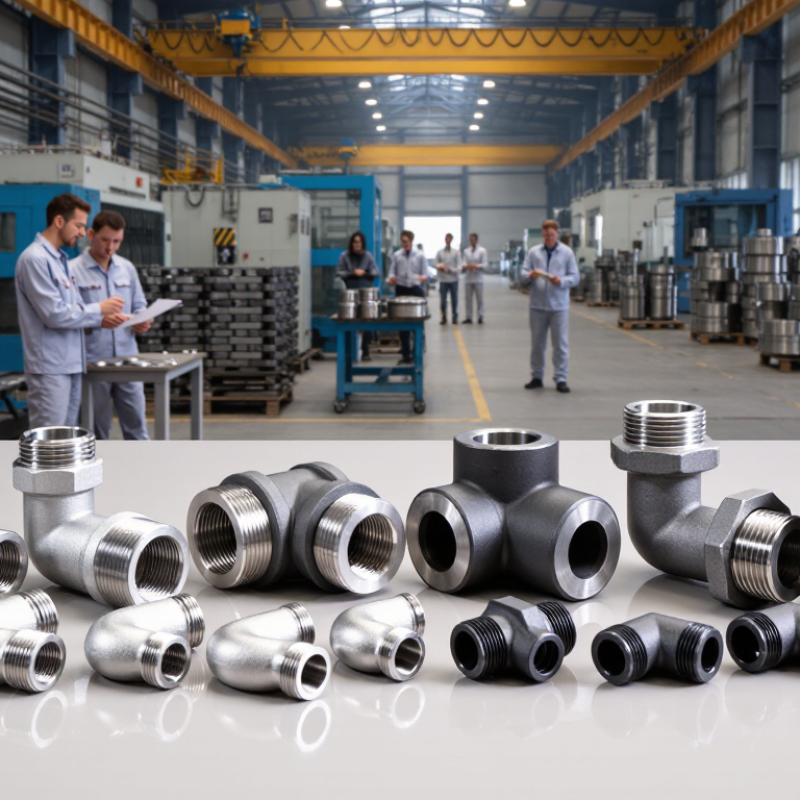
Casting Fittings for Industrial Service
Casting fittings are selected by pressure, corrosion, temperature, and installation conditions. Sand-cast ductile iron fittings suit municipal water lines, where impact resistance and cost matter. Steel castings serve higher-temperature steam, chemical, and power systems. Investment-cast stainless steel fittings provide smoother passages for compact process equipment. Each type has limits.
The World Foundry Organization’s 58th Census reported approximately 109 million tonnes of global castings production in 2022. This scale reflects continuing demand from construction, energy, transportation, and water infrastructure. In practical projects, elbows reduce directional losses, tees divide flow, and reducers control velocity between different pipe diameters. Flanges support repeated maintenance. Small geometry errors can still create leakage.
Not every fitting should be chosen from a catalogue. Engineers should verify pressure ratings, wall thickness, dimensional tolerances, and material certificates. ISO 1083 is widely referenced for ductile iron grades, while ASTM specifications guide many steel and iron casting requirements. Supplier quality systems, including traceability and hydrostatic testing records, improve reliability. Yet testing is not infallible. Poor alignment, rough internal surfaces, or unsuitable gaskets may undermine a compliant fitting. Field experience still matters.
| Fitting Type | Typical Casting Material | Connection or End Design | Common Size Range | Typical Pressure Class | Key Industrial Applications | Relevant Standards and Requirements |
|---|---|---|---|---|---|---|
| Cast Iron Elbow | Ductile iron | Flanged, socketed, or restrained joint | DN50–DN1200 | PN10–PN25 | Municipal water distribution, wastewater pipelines, fire-protection systems, and general utility networks | Dimensional compatibility with ISO 2531, EN 545, or equivalent piping requirements; coating and pressure testing are commonly specified |
| Cast Iron Tee | Ductile iron | Equal or reducing branch; flanged or mechanical joint | DN50–DN1000 | PN10–PN25 | Branch connections in potable-water mains, irrigation systems, cooling-water circuits, and sewage treatment plants | Usually selected according to ISO 2531, EN 545, AWWA C110, or project-specific specifications |
| Cast Iron Reducer | Ductile iron | Concentric or eccentric; flanged ends | DN50–DN1200 | PN10–PN25 | Pipeline diameter transitions, pump stations, water-treatment facilities, and industrial process-water systems | Wall thickness, flange drilling, and pressure rating should match the connected pipe system and applicable standard |
| Cast Steel Elbow | Carbon steel | Butt-weld, socket-weld, or flanged | NPS1/2–NPS48 | ASME Class 150–2500 | Oil and gas pipelines, petrochemical processing, power generation, steam systems, and high-temperature services | ASME B16.9 for butt-weld fittings, ASME B16.5 for flanges, and ASTM A216 or equivalent material requirements |
| Cast Steel Tee | Carbon or alloy steel | Equal or reducing branch; butt-weld or flanged | NPS1/2–NPS36 | ASME Class 150–2500 | Hydrocarbon transmission, refinery piping, boiler systems, chemical plants, and high-pressure utility lines | Branch geometry, heat treatment, nondestructive testing, and pressure rating are normally controlled by the project specification |
| Stainless Steel Cast Fitting | Austenitic stainless steel | Threaded, socket-weld, butt-weld, or flanged | NPS1/8–NPS24 | ASME Class 150–1500 | Food and beverage processing, pharmaceuticals, seawater systems, chemical handling, and hygienic piping | ASTM A351 or equivalent casting requirements; surface finish, corrosion resistance, and weldability depend on the selected grade |
| Cast Bronze Elbow | Bronze or gunmetal | Threaded, soldered, or flanged | DN8–DN100 | PN10–PN25 | Marine piping, HVAC systems, low-to-medium pressure water lines, pumps, and valve assemblies | Material composition, thread dimensions, and pressure performance should comply with the applicable plumbing or marine standard |
| Cast Aluminum Fitting | Aluminum alloy | Threaded, flanged, or quick-connect | DN15–DN200 | Typically PN6–PN16 | Compressed-air equipment, lightweight process piping, irrigation equipment, vehicle systems, and portable installations | Selection should consider corrosion exposure, temperature, galvanic compatibility, and the manufacturer’s pressure test data |
| Cast Pipe Cap | Ductile iron or carbon steel | Flanged, socketed, or welded closure | DN25–DN1200 | PN10–PN40 | Pipeline termination, maintenance isolation, hydrostatic testing, storage tanks, and equipment protection | End dimensions and pressure rating must correspond to the adjoining pipe, flange, joint type, and service conditions |
| Cast Union or Coupling | Malleable iron, ductile iron, or stainless steel | Threaded, grooved, or mechanical joint | DN15–DN300 | PN10–PN25 | Plumbing repairs, fire-sprinkler systems, gas distribution, HVAC maintenance, and detachable pipe connections | Thread form, groove dimensions, gasket compatibility, and service approval should be verified before installation |
| Cast Y-Strainer Body | Cast iron, cast steel, or stainless steel | Flanged, threaded, or socket-weld ends | DN15–DN600 | PN10–PN40 | Protecting pumps, control valves, heat exchangers, compressors, and process equipment from solid particles | Design should include suitable screen material, drainage access, pressure-temperature rating, and cleaning provisions |