High Chromium White Cast Iron Tips for Global Buyers?
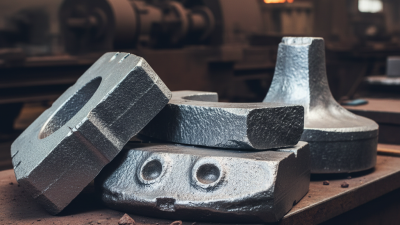
High Chromium White Cast Iron is an essential material in various industrial applications. It is renowned for its exceptional wear resistance and high hardness. According to a report by MarketsandMarkets, the global market for high chromium white cast iron is expected to reach USD 3.5 billion by 2025, growing at a CAGR of 4.2%. This growth reflects the increasing demand across sectors such as mining, construction, and manufacturing.
Many buyers overlook critical factors when selecting High Chromium White Cast Iron. Understanding the material's properties is vital. For instance, its chromium content, typically ranging from 12% to 30%, significantly boosts its wear resistance. However, finding the right balance in alloying elements is not always straightforward. Some manufacturers may not disclose precise compositions, leading to potential quality inconsistencies.
Furthermore, buyers must consider the source of their materials. A report from Research and Markets indicates that suppliers' reputation can impact product reliability. Engaging with reputable suppliers enhances trust and reinforces quality assurance. In a competitive landscape, ensuring proper certifications and compliance with industry standards is crucial for maintaining operational effectiveness. High Chromium White Cast Iron remains a valuable asset, but informed decision-making is necessary for maximizing benefits.
Key Properties of High Chromium White Cast Iron for Buyers
High chromium white cast iron is known for its exceptional hardness and wear resistance. These characteristics make it a preferred material in industries requiring durable components. Buyers should consider various properties before making a purchase.
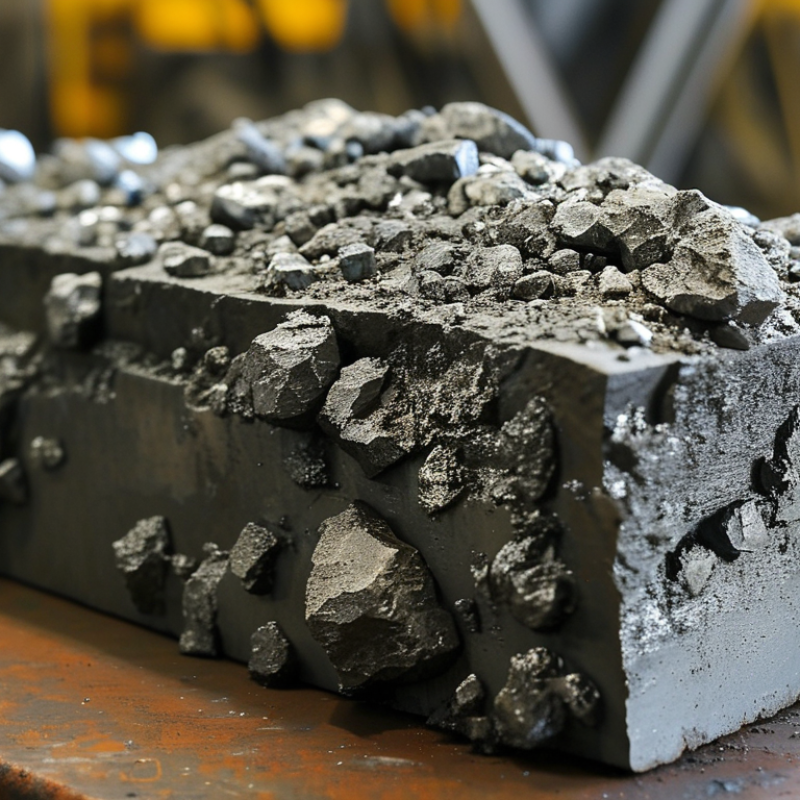
One of the key properties is the high chromium content, typically ranging from 12% to 30%. This enhances resistance to abrasion and erosion. The microstructure consists of hard carbides dispersed in a softer matrix. This unique arrangement allows the material to withstand harsh conditions while providing necessary toughness.
Another important aspect is its casting process. High chromium white cast iron can be complex to cast, leading to potential defects. Buyers must assess reliability in manufacturing. Understanding these nuances can help in making informed decisions. Despite its advantages, the cost may be higher than other materials. Therefore, proper evaluation of needs and budget is crucial before proceeding.
Key Properties of High Chromium White Cast Iron
Applications of High Chromium White Cast Iron in Various Industries
High Chromium White Cast Iron (HCWCI) is increasingly used across multiple industries. Its superior wear resistance makes it ideal for mining, cement, and power generation sectors. According to a report by the International Journal of Cast Metals Research, HCWCI can withstand abrasive environments better than many traditional materials. This property significantly reduces maintenance costs, enhancing productivity.
In the mining industry, HCWCI components like liners and grinding balls take center stage. They endure extreme conditions, ensuring longevity and consistent performance. Research shows that HCWCI can last up to five times longer than standard steel in these applications. However, the initial cost can be high, prompting companies to weigh immediate expenses against long-term savings.
Tips for buyers include considering the specific application before selection. Evaluate the wear environment and temperature ranges. Understanding these factors helps to make informed decisions. Performance varies based on conditions, which can lead to unexpected results. Proper material selection is crucial to derive maximum benefits from HCWCI. Always consult with experts to align choices with operational needs. Balancing cost and performance requires a thoughtful approach.
Factors to Consider When Sourcing High Chromium White Cast Iron Products
Sourcing high chromium white cast iron products requires careful consideration. This material is known for its excellent wear resistance and hardness, making it ideal for various industrial applications. According to industry reports, high chromium white cast iron can have a chromium content ranging from 12% to 30%. Buyers must analyze their specific needs based on the chromium percentage suitable for their application.
One key factor in sourcing is understanding the manufacturing process. Different casting methods may yield varying properties. For instance, the cooling rate can significantly influence microstructure and hardness. Engaging with suppliers who have expertise in the casting process is essential. Industry professionals consistently emphasize the need for rigorous quality control.
Tips for buyers include asking for certifications and test results. Verify if the supplier adheres to recognized standards, such as ASTM or ISO. Inspecting the supplier's production capabilities can also provide insight into their reliability and consistency. Evaluate samples whenever possible to ensure they meet your specifications. Remember, not all suppliers are equal; some may demonstrate inconsistency in product quality. It is crucial to assess the supplier's reputation in the market and their feedback from previous clients.
Quality Standards and Certifications for High Chromium White Cast Iron
High Chromium White Cast Iron (HCWCI) is crucial in various industrial applications, given its wear-resistant properties. Buyers globally must understand the quality standards and certifications that govern this material. According to a recent industry report from Research and Markets, the demand for HCWCI is projected to grow by 8% annually over the next five years. Ensuring compliance with quality standards is vital for manufacturers and distributors alike.
The ASTM A532 specification outlines key requirements for HCWCI, including chemical composition and mechanical properties. This standard ensures that the cast iron maintains its strength and durability in challenging environments. Additionally, certifications such as ISO 9001 reflect a commitment to quality management practices. However, not all suppliers adhere to these standards, which raises concerns. Buyers should verify the compliance of their suppliers to minimize risk.
Despite the established standards, discrepancies often exist in material sourcing and production. Factors like regional manufacturing practices and material variability can impact quality. A report by the International Journal of Cast Metals Research highlights issues related to inconsistent quality. Buyers should prioritize suppliers who demonstrate transparency and provide traceable quality documentation. This diligence can lead to better purchasing decisions and improved performance in end applications.
High Chromium White Cast Iron Tips for Global Buyers - Quality Standards and Certifications
| Dimension |
Specification |
Quality Standard |
Certificate |
| Cr Content (%) |
12-30 |
ASTM A532 |
ISO 9001 |
| Hardness (HRC) |
58-64 |
DIN 50150 |
ISO 14001 |
| Tensile Strength (MPa) |
800-1200 |
GB/T 8162 |
OHSAS 18001 |
| Impact Toughness (J) |
>20 |
ASTM E23 |
CE Marking |
Sustainable Practices in the Production of High Chromium White Cast Iron
High Chromium White Cast Iron is crucial in various industries, from mining to manufacturing. Its durability and wear resistance make it a preferred choice. However, the production process raises concerns about sustainability. Traditional methods often involve high energy consumption and emissions, leading to environmental impact.
A recent industry report highlighted that over 30% of greenhouse gas emissions in metallurgy come from iron and steel production. Transitioning to more sustainable practices is essential. Steel producers are adopting electric arc furnaces, which require less energy. This shift could reduce emissions by up to 50%. Using recycled materials also contributes to sustainability. Reports indicate that utilizing recycled scrap can cut raw material costs by 30% and significantly reduce mining impacts.
There's room for improvement in waste management as well. Many foundries still face challenges in handling slag and other by-products. Efficient recycling of these materials is critical. Investing in cleaner technologies will not only address these issues but also enhance product quality. Buyers should look for suppliers who prioritize sustainability and have transparent practices. Sustainable production of High Chromium White Cast Iron is not just a trend; it reflects responsibility towards the planet.