Top Refractory Materials Suppliers in China for Your Needs?
When searching for the right refractory material, choosing the right supplier is crucial. Refractory materials are vital in various industries, such as steel, cement, and glass. They withstand high temperatures and harsh conditions. In China, numerous suppliers offer a wide range of these materials. However, not all suppliers meet the same standards.
Evaluating the quality of refractory materials is essential. Look for suppliers with proven experience and expertise in the industry. Reliable suppliers provide comprehensive solutions and tailored products. Understanding the specific needs of your project can help in selecting the best options available.
Navigating this market may feel overwhelming. There are many choices, and the wrong decision can lead to significant issues. It’s important to reflect on your requirements and consider factors like durability and performance. This way, you can make informed decisions that will benefit your operations in the long run.
Overview of Refractory Materials and Their Applications
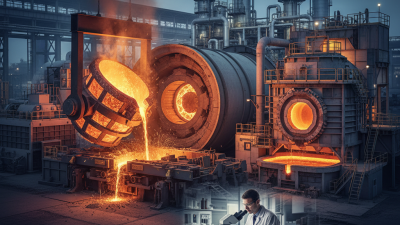
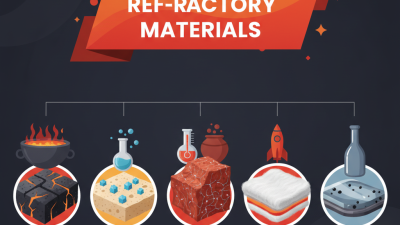
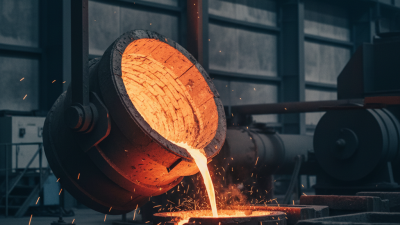
Refractory materials are essential for industries that require high-temperature durability. These materials withstand extreme conditions in applications like steel production and glass manufacturing. Common types include bricks, castables, and ceramics, all tailored for specific thermal and mechanical demands.
Tips: When selecting refractory materials, consider their thermal shock resistance. Evaluate how they perform in fluctuating temperatures. This aspect is crucial in maintaining furnace efficiency.
Refractory materials are not just about heat resistance. They also play a role in chemical stability. Many processes involve corrosive substances. Selecting the right material can prevent costly damage. Understanding the specific environmental conditions where they will be used is vital for optimal performance.
Tips: Check the thermal conductivity of materials. High conductivity may not always be a benefit in certain processes. Assess the entire system for better longevity. Quality doesn’t only depend on heat resistance but overall compatibility with operational parameters.
Overview of Refractory Materials and Their Applications
Criteria for Selecting Refractory Materials Suppliers
When selecting refractory materials suppliers, various criteria should guide your decision-making process. One crucial aspect is the supplier's experience and expertise in the industry. A supplier with extensive experience often has a deeper understanding of customer requirements. According to recent market reports, suppliers with over ten years in the industry are 30% more likely to deliver quality products consistently.
Another critical factor is product range and quality. Suppliers should offer a broad selection of refractory materials tailored for different applications, such as steelmaking or ceramics. A study from the Refractory Materials Association highlights that suppliers with diverse products can better meet specific project needs. Look for suppliers who provide detailed specifications and compliance with international standards. This ensures that the materials used in critical applications meet essential performance requirements.
Additionally, assessing customer reviews and case studies can be valuable. The reliability and reputation of a supplier are often reflected in past customer experiences. However, not all reviews are positive. Some suppliers may have negative feedback due to delivery delays or quality inconsistencies. This emphasizes the need for thorough research and consideration before making a final decision. Balancing experience, product offerings, and customer insights can lead to a more informed and satisfactory choice.
Top Refractory Materials Suppliers in China for Your Needs
| Supplier Type |
Product Range |
Location |
Quality Certifications |
Customer Rating |
| Manufacturer |
High Alumina Bricks |
Beijing |
ISO 9001 |
4.5 / 5 |
| Distributor |
Insulating Refractories |
Shanghai |
SGS Certified |
4.2 / 5 |
| Exporter |
Refractory Castables |
Guangzhou |
ISO 14001 |
4.7 / 5 |
| Manufacturer |
Silica Refractories |
Tianjin |
CE Mark |
4.3 / 5 |
| Supplier |
Fire Clay Products |
Shenzhen |
ISO 9001 |
4.6 / 5 |
Top Refractory Materials Suppliers in China: A Comprehensive List
The refractory materials market in China has been experiencing a significant surge due to the rapid industrialization across various sectors. According to a recent report by Grand View Research, the global refractory materials market is projected to reach USD 36.4 billion by 2027, with Asia-Pacific leading the growth. This trend is largely driven by the increasing demand from industries such as steel, cement, and glass manufacturing.
When selecting suppliers of refractory materials in China, a few criteria stand out. Quality is paramount. Many suppliers claim high-quality products, yet not all can deliver. Reliable certifications, such as ISO or CE, can indicate credibility. Additionally, geographical location can affect shipping times and costs, which are sometimes overlooked in decision-making. Some suppliers might be very competitive on price but may compromise on material quality.
Expert opinions suggest that end-users should scrutinize supplier reputation and past projects. This approach helps in filtering out unreliable suppliers. However, businesses often face challenges in finding a supplier that balances cost and quality effectively. The search may result in unexpected hurdles, such as long lead times or inconsistent products. Thus, thorough research and supplier audits are critical in navigating the complex landscape of China's refractory materials suppliers.
Evaluation of Supplier Quality and Reliability
When selecting refractory materials suppliers in China, evaluating their quality and reliability is key. Quality can greatly impact your projects. High-quality materials endure extreme temperatures. They also enhance the longevity of your equipment. Choosing a supplier with a proven track record is essential.
A well-structured assessment process helps in identifying trustworthy suppliers. Look for those with certifications and relevant experience. Solicit product samples for evaluation. This allows you to test the materials firsthand. Pay attention to customer reviews. They often reveal insights about reliability and service.
Tips: Compare suppliers based on production capacity. This ensures they can meet your demands. Understanding their logistics is crucial too. A supplier with reliable shipping can save you time. Communication with potential suppliers is vital. Open dialogue can reveal their responsiveness and support systems. This is often overlooked yet essential for a smooth partnership.
Future Trends in the Refractory Materials Industry in China
The refractory materials industry in China is evolving rapidly. As industries demand higher performance and durability, suppliers must adapt. Innovation in refractory materials is paramount. Manufacturers focus on developing products that withstand extreme temperatures and harsh environments. These advancements aid industries such as steel, cement, and glass production.
Sustainability continues to be a major trend. There is a growing desire for eco-friendly materials in construction and manufacturing. Suppliers are exploring alternative raw materials and production methods. This shift could minimize environmental impact while maintaining product quality.
The industry's future hinges on these trends. Companies must invest in research and development to stay competitive. Collaboration with academic institutions may foster innovative solutions. However, challenges remain. Not all materials meet environmental standards. Continual assessment is necessary to navigate these complexities and improve overall performance.