2026 Best Double Roll Crusher for Efficient Material Handling?
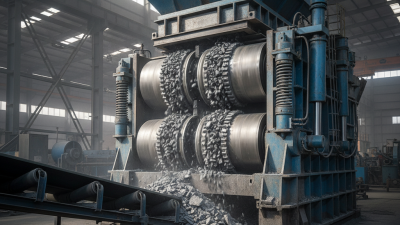
In the quest for efficient material handling, the Double Roll Crusher stands out as an essential tool. As industries evolve, the demand for reliable and effective crushing equipment has skyrocketed. According to a recent Market Research report, the global demand for crushers is projected to reach $8 billion by 2026. This underscores the importance of selecting the right type of machinery.
Industry expert Dr. John Turner, a prominent figure in mineral processing, notes, “The Double Roll Crusher’s design allows for precise material reduction, enhancing overall operational efficiency.” This highlights the Double Roll Crusher’s role in improving production workflows. Its ability to handle diverse materials like coal, clay, and minerals makes it a versatile option for many sectors.
However, it's crucial to recognize that even the best equipment has limitations. Users must consider factors such as material properties and operational conditions. Understanding these nuances ensures that the Double Roll Crusher is used effectively. Selecting the right model and maintaining it properly can significantly impact performance and longevity.
2026 Market Overview: Double Roll Crushers in Material Handling Industry
The material handling industry is increasingly reliant on efficient equipment. The demand for double roll crushers is growing due to their versatility and reliability. According to a recent industry report, the double roll crusher market is expected to see a compound annual growth rate (CAGR) of approximately 4.5% from 2021 to 2026. This growth is driven by the rising need for effective material processing solutions.
Double roll crushers excel at crushing materials like coal, salt, and limestone. They provide precise size reduction with minimal fines production. This characteristic is crucial for various industries, including mining and construction. Some operators, however, have reported challenges with wear and maintenance costs. Regular inspections can mitigate these issues but require careful planning.
Tip: Consider investing in high-quality wear parts for consistent performance. Regular maintenance schedules can enhance longevity and efficiency. Keep in mind that optimizing the input material's size can lead to better crushing results. This focus on efficiency is essential for staying competitive in the material handling sector.
2026 Best Double Roll Crusher for Efficient Material Handling
| Model |
Capacity (tons/hour) |
Power (kW) |
Weight (kg) |
Price (USD) |
| DRC-100 |
20 |
55 |
1500 |
15000 |
| DRC-200 |
35 |
75 |
1800 |
22000 |
| DRC-300 |
50 |
90 |
2200 |
30000 |
| DRC-400 |
70 |
110 |
2500 |
38000 |
Key Features of Efficient Double Roll Crushers: Performance Metrics & Design
When evaluating double roll crushers, key features play a significant role in material handling efficiency.
These machines excel due to their compact design and powerful crushing capabilities.
The roll spacing is adjustable, allowing for customization based on material size. Efficient crushers ensure reduced energy consumption while maximizing output, which is crucial for cost-effective operations.
Performance metrics are essential in comparing different models.
Crushing force, throughput rate, and wear resistance impact the overall effectiveness of these machines.
Operators should look for machines that maintain consistent performance under varying loads. Regular maintenance is vital.
It helps avoid increased downtime and ensures reliable operation.
Design elements like vibration dampening and noise reduction also matter.
Minimizing these factors enhances user safety and comfort.
However, not every double roll crusher can balance these features effectively.
Some may focus on crushing power, neglecting user-friendly operation. Therefore, selecting the right model requires careful consideration of all these attributes.
Comparative Analysis: Leading Brands and Models of Double Roll Crushers
The efficiency of double roll crushers has become vital in material handling. These machines are designed to crush various materials effectively. A recent industry report from the International Journal of Engineering Research highlighted that double roll crushers achieve an efficiency rate of around 85% in reducing material size. This figure underscores their effectiveness in both mining and aggregate industries.
It's essential to consider the variability in performance among leading models. The same study indicated significant differences in throughput rates, which can range from 10 to 400 tons per hour. Operators often face challenges with wear and maintenance. While some models offer robust durability, others may require more frequent part replacements. This inconsistency can impact overall operational costs.
Additionally, user experience reveals that not all double roll crushers perform equally under different conditions. Factors such as material hardness and moisture content play crucial roles in their efficiency. Some users have noted that unexpected downtime can occur due to inadequate adaptability to varying material types. This unpredictability highlights the importance of selecting the right model for specific applications.
Impact of Double Roll Crushers on Operational Efficiency in Mining
The operational efficiency of mining relies heavily on effective material handling.
Double roll crushers have emerged as a crucial component in this process. According to industry reports, these machines can reduce ore size by over 60% in a single pass, significantly enhancing processing speed. With efficient particle size reduction, the overall throughput of mining operations can improve, leading to reduced costs.
However, operational challenges are not uncommon. Maintenance issues can arise due to material build-up in the crushing chamber. Moreover, improper adjustments may lead to uneven crush sizes. This can decrease the machine's performance and output. An effective strategy is to implement regular inspections and proper training for operators to minimize downtime.
Tip: Engaging in preventive maintenance can prolong the life of double roll crushers. A consistent schedule helps identify potential issues early on. Operators should also monitor wear patterns to adjust settings accordingly.
Future Trends: Innovations and Technologies in Double Roll Crusher Design
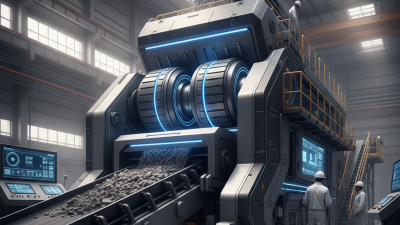
The design of double roll crushers is evolving rapidly. Innovations focus on enhancing efficiency in material handling processes. New materials are being tested to improve durability. Advanced technologies like automation are making these machines smarter. Integrated sensors can now monitor performance in real-time. This data helps optimize operations.
Sustainability is another key trend. Many manufacturers are looking for eco-friendly materials. Reducing energy consumption is a priority for future designs. Some prototypes even include features for recycling. However, not all innovations meet immediate needs. Balancing cost and efficiency remains a challenge.
In practice, operators must adapt to these changes. Training is crucial for successful implementation. Understanding new features can prevent operational hiccups. Retrofitting older machines with these innovations is still debated. Will it be worth the investment? These questions linger as the industry moves forward.