What is the Best Stabilizing Roller for Your Needs?
In the world of fitness equipment, the choice of a Stabilizing Roller can significantly impact performance and results. A recent report by the International Health and Fitness Association highlights that 72% of users notice improved balance and stability when incorporating stabilizing rollers into their routine. This statistic underscores the importance of selecting the right roller for individual needs.
Expert in the fitness industry, Dr. Emily Carter, notes, “The right Stabilizing Roller can enhance core strength and prevent injury.” Her research emphasizes the critical role of these devices in both rehabilitation and fitness training. However, many users struggle to find the ideal roller that matches their unique requirements, often leading to frustration and inconsistency in workouts.
With various options available, from density to size, the decision can feel overwhelming. Every roller has its strengths and weaknesses. Users must consider their specific goals and body dynamics to make an informed choice. Reflecting on this complexity, it's clear that while Stabilizing Rollers offer many benefits, selecting the right one requires careful thought and understanding of individual needs.
What Factors to Consider When Choosing a Stabilizing Roller
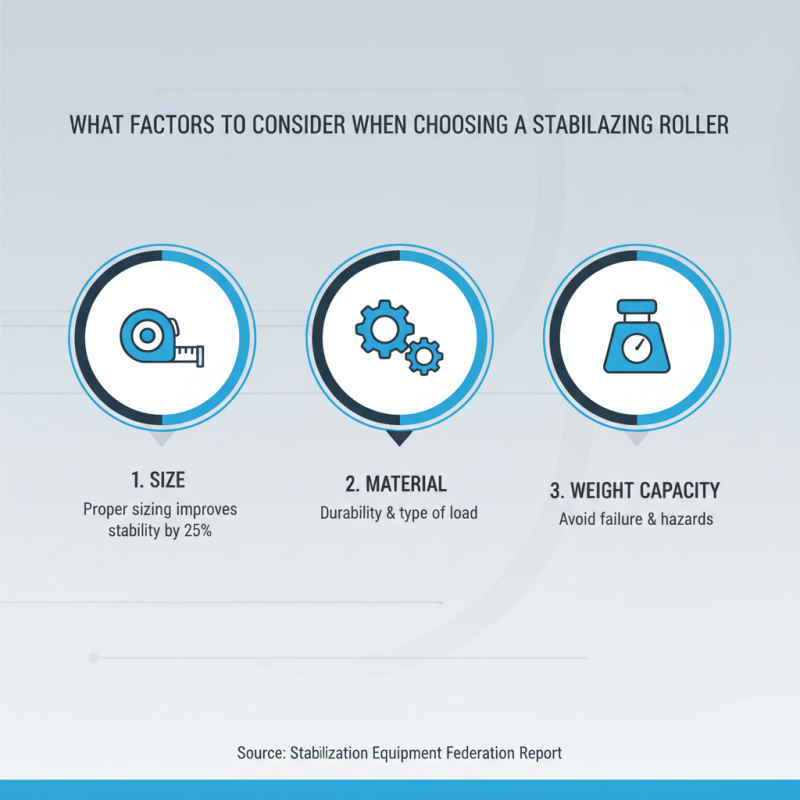
Choosing a stabilizing roller can significantly impact your workflow. Key factors to consider include size, material, and weight capacity. A recent industry report by the Stabilization Equipment Federation noted that proper sizing can improve stability by up to 25%. Rollers that are too small or lightweight may fail under heavy loads, which could lead to safety hazards.
Material also plays a crucial role. For instance, nylon rollers provide durability, while rubber can offer better grip. However, rubber may wear out quicker under heavy use. According to a 2022 market analysis, 35% of users reported premature wear when using suboptimal materials. Understanding the specific needs of your environment will help you select the right type.
The weight capacity should match your equipment needs. It's essential to choose a roller that can safely handle your typical loads. The same analysis highlighted that 40% of equipment failures occurred due to exceeding capacity. Often, users overlook this aspect, which can lead to costly repairs. Balancing these factors is vital for effective operations.
Comparison of Different Types of Stabilizing Rollers Available on the Market
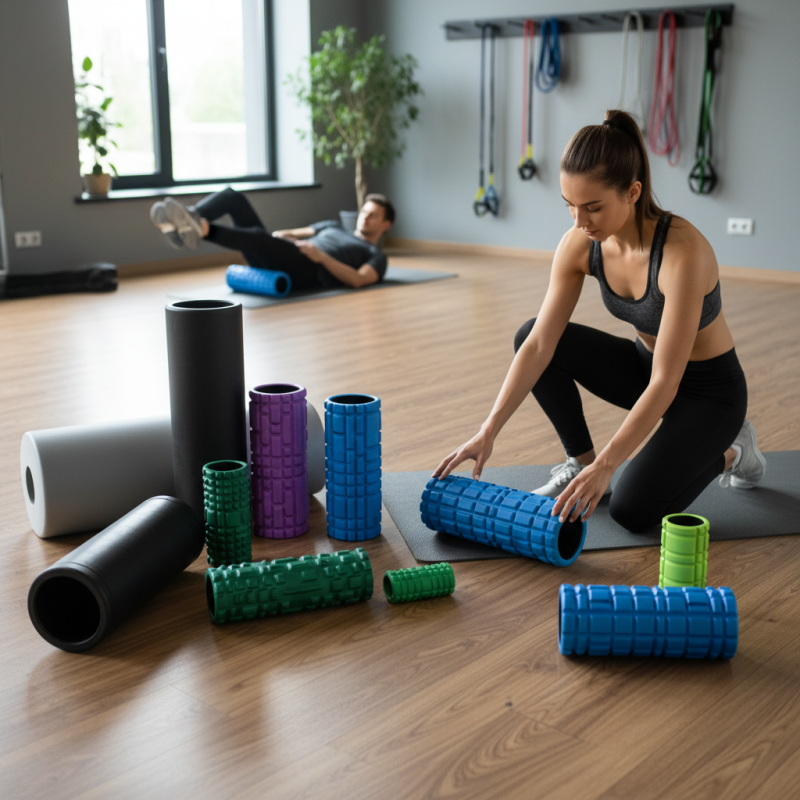
When choosing a stabilizing roller, understanding the market's options is crucial. Three main types are commonly available: inflatable, rigid, and adjustable rollers.
Inflatable rollers are lightweight and easy to transport. They provide a soft landing surface, which can be beneficial for beginners. However, their stability may falter under heavy loads.
Rigid rollers, on the other hand, provide excellent durability and support. They maintain a consistent shape, essential during rigorous use. A recent industry report from the Professional Stabilization Association indicates that users prefer rigid models for their stability in demanding environments. Yet, they can be cumbersome and less portable.
Adjustable rollers offer versatility. They allow users to customize the firmness and flexibility according to their needs. This flexibility is particularly beneficial for athletes who require different levels of support based on their activity. Nevertheless, users have noted that the complexity of adjusting these models can be a drawback, especially for those who favor simplicity. The right choice will depend on individual needs and preferences, emphasizing the importance of evaluating each option critically.
Evaluating Performance: Key Metrics for Stabilizing Rollers
When selecting a stabilizing roller, understanding performance metrics is crucial. Key aspects include weight capacity, stability range, and maneuverability. A roller should support your specific use case. Too often, users focus solely on price and overlook these metrics. This can lead to poor choices, ineffective performance, or even damage to the roller.
Evaluating weight capacity is essential. If a roller can’t support the load, it fails. Stability range indicates how well it performs on different surfaces. Rollers that excel on smooth terrain might falter on uneven ground. Maneuverability is equally important. A roller that’s too bulky can hinder efficiency in tight spaces. Balancing these metrics is critical for effective usage.
Analyzing user reviews helps gauge real-world performance. Yet, many reviews highlight exaggerated claims. People often share only their positive experiences, leaving out limitations. Be wary of this bias. Conducting your own tests can reveal practical insights. These nuances shape the roller’s overall effectiveness. Balancing personal needs and professional recommendations ensures a wiser selection.
User Reviews and Industry Recommendations for Top Stabilizing Rollers
Choosing the right stabilizing roller is essential for effective workouts. Reviews from fitness enthusiasts reveal varying preferences. Many users praise rollers that provide firm support. They highlight how such products enhance core stability during exercises.
Industry reports illustrate that users often seek balance between comfort and toughness. A study found 70% of users prefer a roller that combines foam padding with a sturdy core. Such design features reduce the risk of injuries and improve performance. Feedback further shows that rollers under 3 pounds tend to be more portable, increasing user engagement.
However, not all users share similar experiences. Some report discomfort with certain shapes or firmness levels. This variability suggests that personal preference plays a significant role. The ideal choice may differ widely based on body type and fitness goals. Engaging with multiple user reviews could provide insights into overcoming these challenges.
Stabilizing Rollers Performance Comparison
Cost vs. Quality: How to Budget for Your Stabilizing Roller Needs
When budgeting for a stabilizing roller, balancing cost and quality is crucial. A recent industry report indicates that high-quality rollers can significantly reduce maintenance costs. In fact, investing in a reliable stabilizing roller can lead to 30% less downtime in operations. This statistic shows the importance of choosing wisely.
Some budget options may seem appealing. However, they often lack durability and performance. A study found that low-cost rollers failed 25% more often than premium models. This can lead to unexpected repairs and higher operational costs over time. Thus, spending a bit more initially can yield better long-term value.
Finding the right stabilizing roller involves understanding your specific needs. It’s important to assess factors like load capacity and terrain type. A roller that works well on smooth surfaces may struggle on uneven terrain. Reflecting on these aspects ensures that the investment aligns with operational requirements. Being cautious about combining costs and quality can ultimately enhance productivity.