Why is Crusher Blade Essential for Your Industrial Needs?
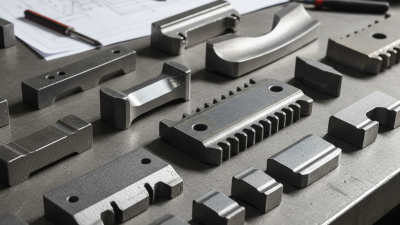
In the heart of industrial operations, the Crusher Blade plays a pivotal role. This essential tool is not just a piece of equipment; it embodies precision and efficiency. A well-designed blade can enhance productivity and streamline processes in various industries.
Many businesses overlook the significance of choosing the right Crusher Blade. However, understanding its importance can lead to better performance and reduced downtime. A sharp and durable blade can withstand tough materials, ensuring a smooth operation. This is not just about cutting; it’s about the reliability that affects the entire workflow.
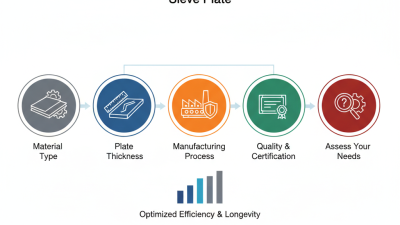
With innovative technology and diverse designs available, selecting the right blade can be overwhelming. Some may choose based on cost alone, which can lead to compromised quality. Reflecting on the choices made in blade selection can profoundly impact the overall efficiency in production lines. Thus, investing in a quality Crusher Blade is a decision worth contemplating.
Importance of Crusher Blades in Industrial Processes and Operations
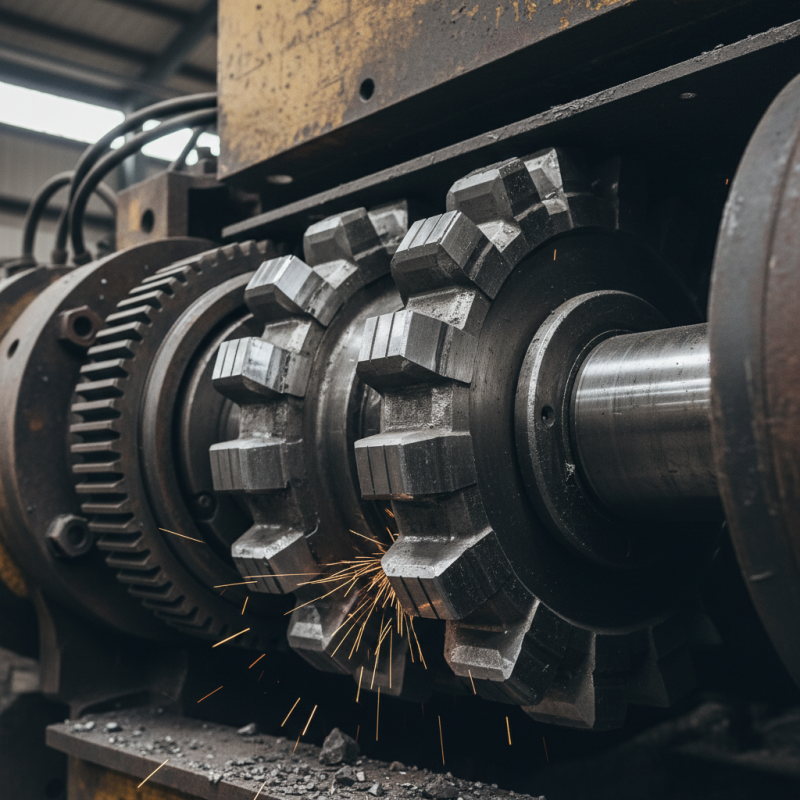
In industrial operations, the role of crusher blades is often underestimated. These components are crucial for efficient material processing. According to industry reports, approximately 70% of manufacturing plants rely on efficient crushing machinery. Crusher blades significantly enhance productivity by ensuring materials are broken down to the desired size consistently.
The effectiveness of a crusher blade can influence operational costs and product quality. Dull blades can cause excessive wear on machinery and lead to inefficient processes. As noted in mechanical studies, using sharp blades reduces energy consumption by 15-20%, making operations more sustainable.
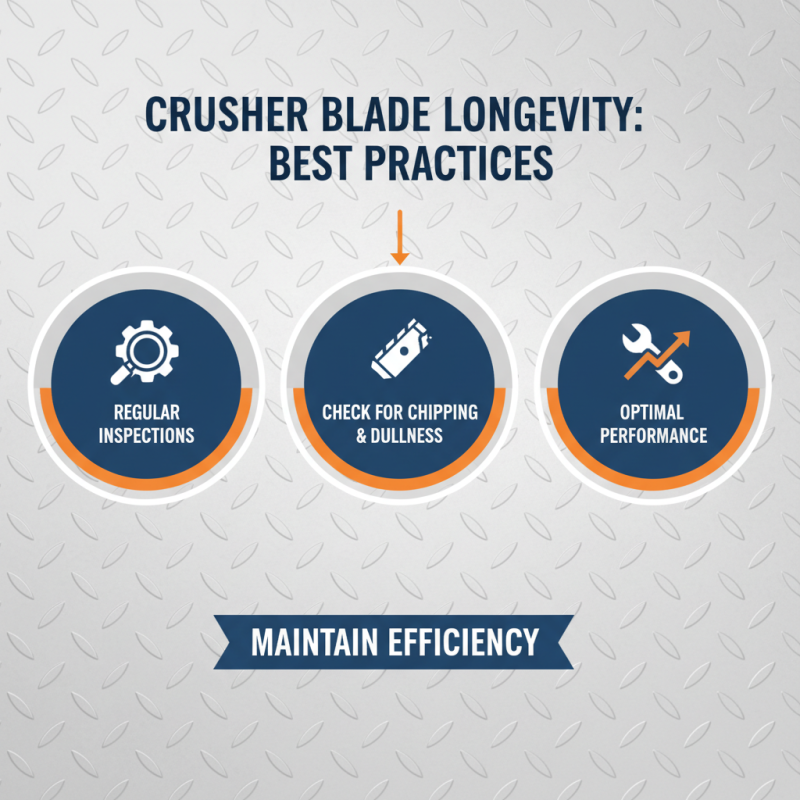
**Tip:** Regular maintenance of crusher blades can prevent unexpected downtimes and enhance efficiency.
Understanding the importance of these blades lies in their direct impact on throughput and material recovery rates. Proper selection and care of blades can optimize performance, which is vital to maintaining a competitive edge. However, it’s essential to monitor wear and replace blades appropriately. Neglecting this aspect can lead to costly downtime and subpar product quality.
**Tip:** Schedule periodic inspections to assess blade condition and performance.
Types of Crusher Blades and Their Applications in Various Industries
Crusher blades play a pivotal role in numerous industries, including recycling, mining, and manufacturing. They are vital for reducing materials to manageable sizes. Different types of crusher blades serve distinct purposes, contributing to efficiency in operations. For instance, rotary crusher blades excel in crushing large volumes of materials, while fixed blades are often used for smaller, consistent particle sizes.
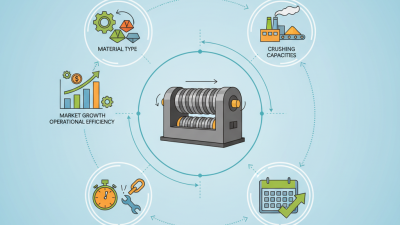
Research indicates that the demand for these tools is steadily increasing. A report by Smith & Associates notes a projected growth of 5% per year in the crusher blade market. This demand stems from the rising focus on sustainable practices. In recycling, the right blade can optimize the processing of plastics and metals, enhancing recovery rates. However, not every blade works well for every material. Reflecting on the material's characteristics is key to choosing the appropriate blade type.
In the mining sector, high-quality blades are crucial. They withstand extreme conditions and reduce downtime. An ineffective blade can lead to increased production costs and lower efficiency. Industry experts suggest regular assessments of blade performance. Such evaluations can ensure that the right blade is always used for specific task requirements, ensuring optimal productivity.
Material Composition and Design Specifications of High-Performance Blades
In the industrial sector, the choice of materials for crusher blades significantly impacts performance. High-performance blades often utilize a combination of alloy steel and tungsten carbide. Alloy steel increases toughness and hardness. Tungsten carbide is crucial for wear resistance. Reports indicate that blades made with this composition last up to 30% longer than those with conventional steel.
Design specifications also play a vital role. Blades should feature precision-engineered profiles that maximize efficiency. A well-designed blade can reduce energy consumption by up to 15%, which is beneficial for production lines. Manufacturers are increasingly focusing on innovations such as variable geometry designs to enhance crushing efficiency and reduce downtime. Some designs may not perform as expected under specific conditions, emphasizing the need for extensive testing.
Although standard specifications exist, customization is often necessary. Each industrial application can have unique demands. Some companies are exploring hybrid materials but encounter challenges in balancing cost and performance. The complexities in material selection call for an expert understanding of both industrial needs and material properties. Adopting a one-size-fits-all approach may lead to suboptimal results.
Impact of Blade Quality on Production Efficiency and Cost Reduction
The quality of crusher blades plays a crucial role in industrial production. High-quality blades ensure efficient operation, reducing downtime. When blades wear out quickly, they lead to increased maintenance costs. This inefficiency can disrupt the entire production line. Businesses must consider the long-term impacts of blade choices.
Production efficiency hinges on the durability of these blades. A well-made blade can process materials smoothly, optimizing output. On the other hand, inferior blades may break or dull faster. This results in frequent replacements and delays. Regular assessments of blade performance can help identify issues early.
Investing in quality can lead to significant cost reduction. Initial expenses may be higher, yet the savings in maintenance and increased productivity are evident. Businesses should evaluate the cost-effectiveness of their blade choices. Sometimes, it's necessary to rethink current suppliers or manufacturing methods. The right blade can transform production dynamics.
Impact of Crusher Blade Quality on Production Efficiency and Cost Reduction