7 Tips for Choosing Boiler Tube Shields for Global Buyers
Selecting Boiler Tube Shields is a practical decision with long-term consequences for power plants, process facilities, and industrial boilers. These components protect tube surfaces from flame impingement, ash erosion, soot-blower impact, and high-temperature wear. A shield that looks suitable in a catalogue may perform poorly under actual furnace conditions. Small details matter.
Global buyers must examine tube diameter, heat exposure, fuel type, installation position, and maintenance access. Material selection also deserves careful attention. Stainless steel, nickel alloys, and specialized coatings offer different balances of strength, oxidation resistance, and cost. The best option depends on operating temperature and expected wear, not only on the lowest quoted price. Fit comes first.
Reliable suppliers should provide dimensional drawings, material certificates, inspection records, and clear installation guidance. Buyers should also confirm manufacturing tolerances and request application references from comparable boiler systems. A sample shield may reveal weak welds, rough edges, or an unsuitable clamp design before shipment. This simple check can prevent expensive replacement work.
Still, no selection guide can replace site-specific engineering. Field measurements may be incomplete, and operating data can change after a boiler upgrade. That uncertainty deserves honest discussion. Comparing seven practical factors helps purchasing teams ask better questions, reduce technical risk, and choose Boiler Tube Shields with greater confidence. A dependable decision combines supplier experience, verified documentation, and careful review by qualified boiler professionals.
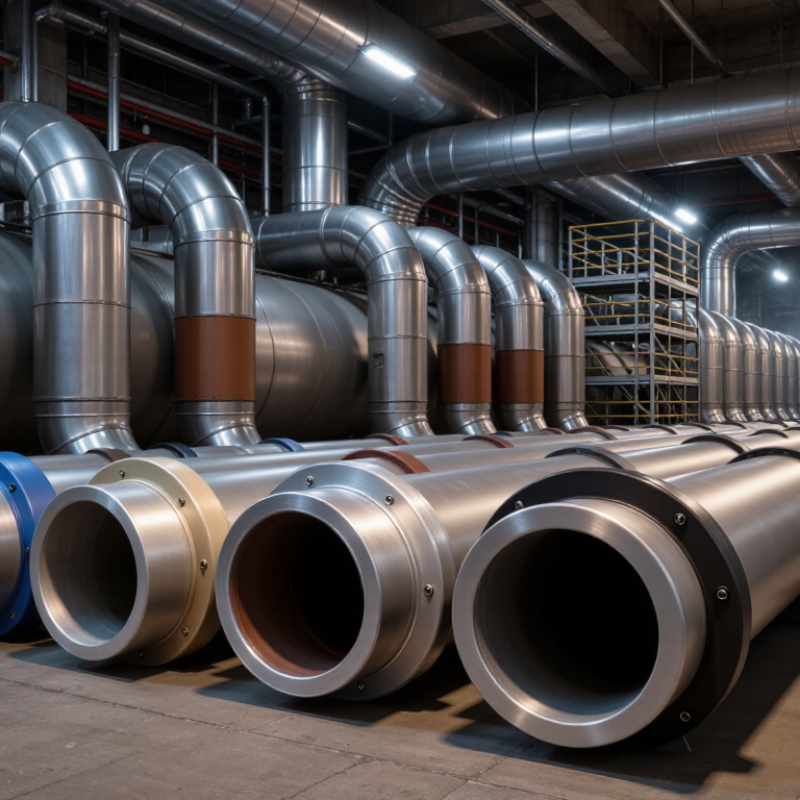
Understanding Boiler Tube Shields and Their Protective Role
Boiler tube shields protect exposed tube surfaces from flame impingement, ash erosion, and corrosive deposits. They act as a sacrificial barrier in harsh furnace conditions. During maintenance inspections, worn shields often reveal the real damage pattern. A bright, polished wear line may indicate ash flow. Dark scaling can suggest overheating or chemical attack.
Global buyers should examine seven practical points: material grade, maximum service temperature, shield thickness, tube diameter, attachment method, thermal expansion, and inspection access. Stainless alloys may resist oxidation, while nickel-based materials can suit more severe chemistry. However, higher alloy content does not guarantee longer service. The actual fuel, ash composition, gas velocity, and furnace temperature matter more than a catalog label. Measure the tube carefully. Small dimensional errors can create gaps, stress, or poor heat transfer.
Reliable selection also requires traceable material certificates, dimensional records, and installation guidance. Ask for test data that reflects the intended operating range, not only laboratory conditions. Local boiler codes and plant procedures must guide approval. Welding details deserve special attention because poor attachment can damage the tube beneath the shield. Leave room for movement. I have seen rigid installations crack after repeated heating cycles. The first design may be workable, but field evidence should still challenge it. Review inspection photos, failure history, and replacement intervals before placing a large international order.
Matching Shield Materials to Temperature, Corrosion, and Wear Conditions
Choosing boiler tube shields starts with the operating temperature, not the material catalogue. Record metal temperature, gas temperature, and short-term peaks near burners or soot blowers. Stainless steel can suit moderate heat, but oxidation may accelerate during repeated shutdowns. High-nickel alloys handle higher temperatures, although their cost needs practical justification. Ask for creep data at the actual service temperature.
Corrosion chemistry matters just as much. Chlorine-rich deposits, sulfur compounds, and reducing gases can attack otherwise strong alloys. In waste-fired boilers, a nickel-rich grade may resist molten deposits better than standard stainless steel. Ceramic shields tolerate extreme heat and chemical exposure, but they can crack from sudden thermal shock. Small gaps help absorb expansion. They also create hiding places for ash.
Wear patterns should guide the shield design. Dense particles near bends may demand a hard-faced alloy or a ceramic insert. Softer shields can fail quickly under continuous fly-ash erosion. Check wall thickness after each inspection cycle. One overlooked detail is attachment hardware; a durable shield with weak clamps still becomes a loose fragment. Require test certificates, dimensional drawings, and corrosion data from the supplier. Field measurements are more reliable than assumptions. I have seen material selections fail because peak temperature was estimated, not measured. That mistake is easy to repeat. A small trial section, monitored through one operating cycle, can expose weaknesses before a full installation.
Boiler Tube Shield Material Selection by Representative Service Temperature
Representative maximum service temperatures help global buyers shortlist shield materials. Actual limits depend on atmosphere, thermal cycling, mechanical loading, weld design, and chemical exposure. Use corrosion and erosion testing to confirm the final selection.
Evaluating Quality Standards, Certifications, and Manufacturer Experience
Choosing boiler tube shields requires more than comparing thickness and price. In field inspections, shield failure often starts with poor fit, weak welds, or unclear material records. Verify the shield’s alloy, hardness, temperature rating, and resistance to erosion. ASME Boiler and Pressure Vessel Code Section I provides essential rules for power-boiler safety. Ask the manufacturer to explain how the design supports those requirements.
Tip 1: Request traceable material certificates, weld procedures, and inspection records. ISO’s 2022 Survey reported more than 1.2 million ISO 9001 certificates worldwide. Certification shows process control, but it does not guarantee every shield is suitable. Check the certificate scope, expiry date, and production site. A copied document is a warning sign.
Tip 2: Test manufacturer experience against your operating conditions. Ask for documented projects involving similar steam temperatures, ash loading, tube diameters, and maintenance intervals. The International Energy Agency’s Energy Technology Perspectives 2023 states that industry produces roughly one-quarter of global emissions. Efficient boiler protection therefore supports both reliability and energy performance. Still, data can be incomplete. Request photographs, inspection results, and failure analyses, not only sales claims. Tip 3: Inspect sample shields before approval. Measure thickness at edges, review fastening details, and confirm thermal expansion allowances. The best specification may fail during installation. That possibility deserves honest discussion.