Top Grate Castings Options for Global Buyers Looking for Quality?
When it comes to sourcing quality Grate Castings, global buyers face numerous challenges. Selecting the right supplier is crucial for achieving high performance and durability. Grate Castings play a vital role in various industries, from manufacturing to transportation. Understanding your requirements is essential to make informed decisions.
The market offers a wide range of Grate Castings, but quality can vary significantly. Some manufacturers prioritize cost over quality, leading to unreliable products. Buyers must ensure they are choosing castings that meet industry standards and performance expectations. Relying on experience and expert knowledge can guide buyers toward reliable options.
Many global buyers discover that establishing relationships with trusted suppliers leads to better outcomes. This takes time and involves thorough research. Industry experts recommend evaluating suppliers based on their track record and client testimonials. The process isn't always straightforward, and occasional setbacks can occur, but perseverance in sourcing quality Grate Castings pays off.
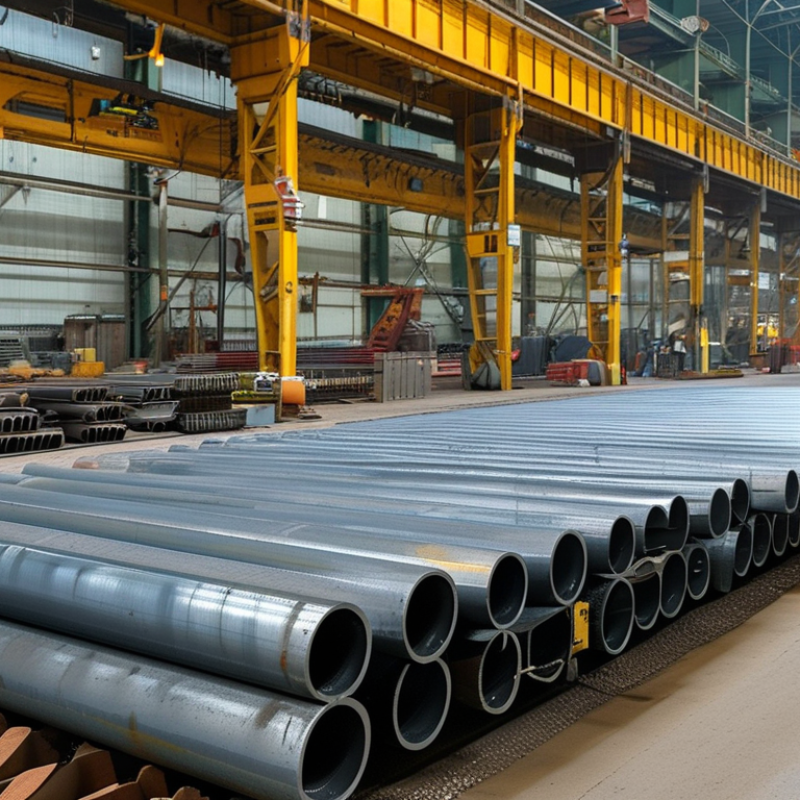
Types of Grate Castings Available for Global Buyers
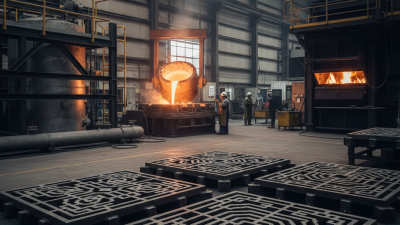
Grate castings come in various types, catering to the diverse needs of global buyers. One popular option is the ductile iron grate. Known for its strength and flexibility, this material is often used in heavy-duty applications. The toughness of ductile iron ensures long-lasting performance, making it a reliable choice for many industries.
Another option is gray iron castings. While not as strong as ductile iron, gray iron can be more cost-effective. Its excellent castability allows for intricate designs, which can enhance aesthetics. This makes gray iron suitable for decorative grates and lighter-duty applications. Buyers should weigh durability against budget when considering this material.
Aluminum cast gratings are gaining traction as well. They are lightweight and resistant to corrosion, ideal for environments with exposure to moisture. However, they may not offer the same load-bearing capacity as iron options. Each type of grate casting has its strengths and weaknesses, highlighting the importance of making an informed choice based on specific needs and conditions. Selecting the right material is a crucial step in ensuring functionality and longevity.
Top Grate Castings Options for Global Buyers Looking for Quality
Key Factors to Consider When Choosing Grate Castings
When selecting grate castings, understanding the key factors is essential. The material quality significantly affects durability and performance. Quality castings often use high-grade iron or steel, ensuring longevity under heavy loads. Understanding these materials’ properties allows buyers to make informed choices.
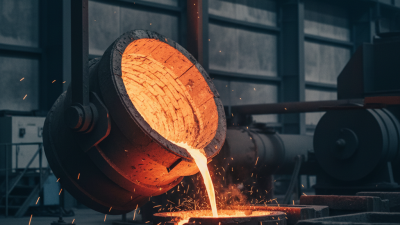
Another factor is the manufacturing process. The method used for casting can influence the structural integrity of the product. Techniques like sand casting or investment casting have distinct advantages. They affect strength and surface finish. Buyers should ask about the process to gauge suitability for their needs.
Lastly, supplier reliability plays a crucial role. Experienced suppliers often have a proven track record. Checking reviews and previous projects provides insights into their expertise. Engaging with suppliers can reveal their knowledge base. A collaborative approach leads to better outcomes. Quality grate castings are not just about the product; they are also about partnership.
Top Manufacturers and Suppliers of Grate Castings Worldwide
When searching for grate castings, buyers should consider the reputation of manufacturers. Quality is paramount in this industry. Reliable suppliers often invest in advanced technology to ensure durable and effective products. Many manufacturers use precision engineering to meet industry standards, with processes that commonly include thorough inspections.
Global buyers can explore regions known for their casting expertise. Countries with robust foundry sectors often feature experienced suppliers. These companies tend to offer extensive product lines. Some specialize in custom solutions, providing flexibility for specific needs. Yet, not all manufacturers maintain consistent quality. Researching previous client feedback is essential for informed decisions.
Interacting with potential suppliers can reveal their commitment to excellence. Clear communication is vital in establishing trust. Buyers should inquire about production methods and material sources. Transparency in these areas is a good indicator of reliability. Always consider the full lifecycle of the product. Investing time in supplier evaluation can yield significant long-term benefits.
Quality Assessment Criteria for Grate Castings
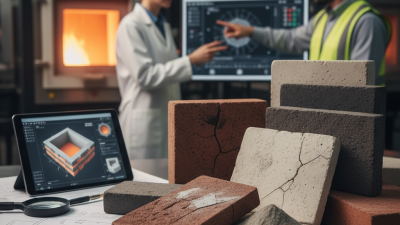
When evaluating grate castings, it's crucial to apply precise quality assessment criteria. A reliable method involves examining material properties, geometry, and surface finish. The choice of materials significantly impacts durability. High-grade castings often utilize iron and steel alloys. These materials ensure strength and resistance to wear.
It is essential to scrutinize the geometry of the castings. Flaws in shapes may lead to functional issues. Look for uniform dimensions and clear outlines. Complications in casting molds can cause distortions. Such imperfections may not be visible but affect performance.
Tips for buyers: Always request samples before committing. Analyze their surface finish closely. A smooth, blemish-free surface indicates better quality. Consider seeking insights from experts in foundry practices. Their experience can guide you in identifying legitimate suppliers. Reflecting on these criteria helps in making informed decisions. Quality assurance should never be compromised.
Trends and Innovations in Grate Casting Technologies
Grate casting technologies are evolving rapidly. Recent studies indicate that by 2025, the global market for castings will reach approximately $200 billion. This growth is driven by advancements in materials and manufacturing processes. Innovations such as 3D printing and smart foundries are gaining traction. These technologies enable more efficient production and lower material waste.
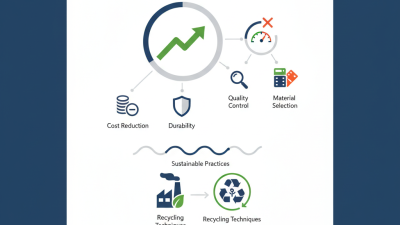
A notable trend is the shift towards using eco-friendly materials. Research suggests that around 30% of foundries are now adopting sustainable practices. This shift is partly due to increasing regulations and consumer demand for environmentally friendly products. However, challenges remain in sourcing renewable raw materials that meet industry standards.
Despite these advancements, some hurdles persist. The integration of new technologies requires significant capital investment. Smaller foundries, in particular, may struggle to keep pace. Companies need to carefully evaluate their technology adoption strategies. Balancing innovation with cost-effectiveness is crucial for success in this competitive market.