Best Guide Roller Types for Optimal Performance in 2026?
In the ever-evolving industry of guide rollers, making informed choices is crucial for optimal performance. Guide rollers play a vital role in various applications, including manufacturing and transportation. Selecting the right type of guide roller can significantly impact efficiency and operational costs. In 2026, advancements in materials and designs are set to reshape the market.
Many factors influence the performance of guide rollers. Understanding the specific needs of your application is essential. Materials, load capacities, and environmental conditions all contribute to the effectiveness of guide rollers. Some common types include plastic, metal, and composite – each offering unique benefits and drawbacks. It’s important to analyze their suitability based on real-world applications.
Reflecting on past choices can also provide valuable insights. Have your current guide rollers met your expectations? Are there signs of wear or inefficiencies? Continuous improvement is key in optimizing performance. With careful consideration and an understanding of advancements, you can make the best choice for your operations. As the landscape changes, staying updated will ensure competitive advantage in the use of guide rollers.
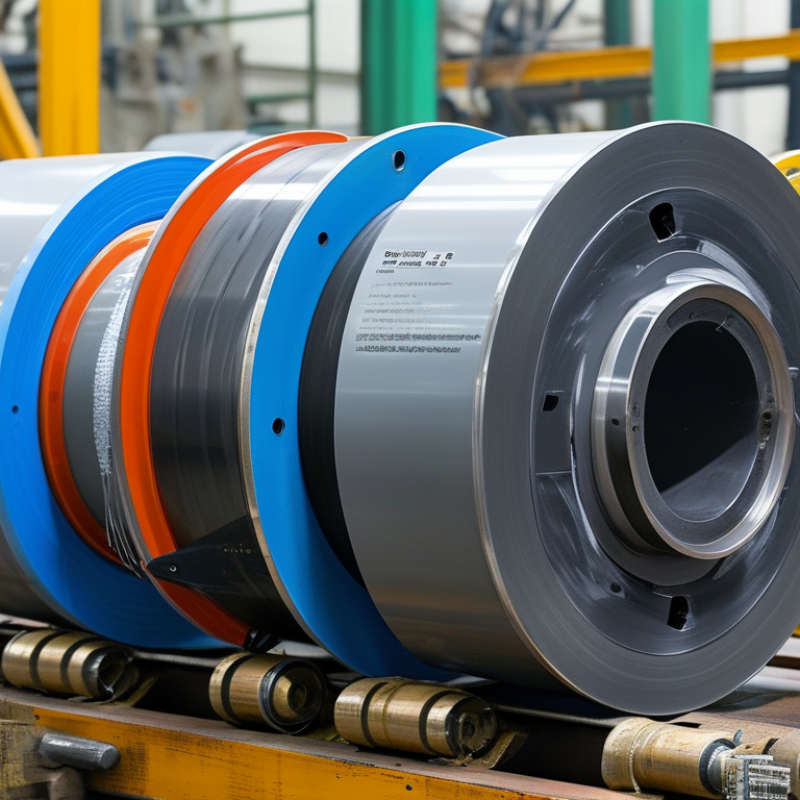
Best Guide Roller Types for Optimal Performance in 2026: Overview
When considering the best guide roller types for optimal performance in 2026, several factors come into play. Guide rollers are crucial in various applications, from conveyor systems to heavy machinery. Their proper selection can significantly enhance efficiency and reduce wear. The material choice—be it steel, plastic, or rubber—affects durability and friction levels.
Relying heavily on one type may lead to issues. For instance, steel rollers offer high strength but might cause noise. In contrast, rubber rollers provide smoother operation but wear out faster. It's essential to assess the specific needs of each application. Factors like load capacity and environmental conditions must guide decision-making.
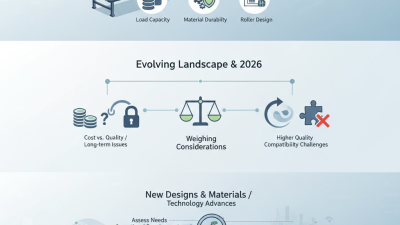
The future demands adaptability. Innovations in design and materials are key. Manufacturers are actively exploring hybrid options. These could potentially combine the best of both worlds. However, testing remains vital. Relying solely on assumptions can lead to costly mistakes. Balancing performance and longevity requires ongoing reflection and adjustment. In the end, careful consideration helps achieve the best overall performance.
Best Guide Roller Types for Optimal Performance in 2026
Key Characteristics of High-Performance Guide Rollers in 2026
In 2026, high-performance guide rollers will be essential for various industrial applications. These rollers are a critical component in conveyor systems, affecting efficiency and product quality. Key characteristics to look for include material durability and load capacity. According to a recent industry report, durable rollers can improve lifespan by up to 30%. Materials like urethane and special composites are increasingly favored for their resistance to wear and tear.
Precision engineering plays a significant role in roller performance. High-performance guide rollers need to deliver consistent alignment. This reduces friction, which is critical for energy efficiency. The report highlights that optimized roller alignment can decrease energy consumption by 15%, translating into significant cost savings.
Balancing load capacity with speed is essential. Heavy-duty rollers must perform well under dynamic conditions. The challenge lies in ensuring adequate support while maintaining agility. Many manufacturers face difficulties in achieving this balance. Proper testing and quality control are critical. Research shows that those who invest in these areas often see performance improvements.
Comparative Analysis of Materials Used in Guide Rollers: Strength and Durability
When evaluating guide rollers, material choice is essential for performance. Different materials exhibit varying levels of strength and durability. Steel, for example, offers superior strength but can be prone to corrosion if not treated. This raises questions about maintenance and longevity. Rubber rollers, on the other hand, provide good wear resistance and noise dampening. However, their lifespan can be limited under high loads.
Composite materials represent a convergence of benefits. They can offer lightweight alternatives without sacrificing strength. Yet, their cost may deter some businesses. Conducting wear tests can illuminate how these materials perform under pressure. Observations in real environments matter. The initial high investment in composites might yield savings in replacements over time.
It’s not a one-size-fits-all situation. Each application demands a tailored approach, considering environmental factors and load requirements. Understanding these nuances helps in making informed decisions. Different industries face unique challenges that impact the durability of guide rollers. Each material has its pros and cons. A thorough assessment often reveals unexpected outcomes in performance and durability.
Industry Trends: Innovations in Guide Roller Technology for Enhanced Efficiency
The guide roller technology landscape is evolving rapidly. Emerging trends focus on improving efficiency and performance. Manufacturers are exploring new materials and designs to enhance durability. Innovations aim to reduce friction and wear, which can extend the lifespan of guide rollers.
Recent developments include lightweight composites and advanced surface treatments. These materials are not only more resilient but also help in heat dissipation. Some industries are adopting modular designs for easier maintenance. This innovation can significantly lower downtime during operation.
However, each innovation comes with its challenges. Not every new material has proven effective in real-world applications. Companies must keep testing and learning. Evaluating long-term performance is crucial. Balancing cost-effectiveness with advanced technology remains a key concern. The quest for optimal guide roller performance is ongoing, demanding continuous improvement and adaptation.
Best Guide Roller Types for Optimal Performance in 2026
| Guide Roller Type |
Material |
Load Capacity (kgs) |
Operating Temperature (°C) |
Best Applications |
| Polyurethane Roller |
Polyurethane |
200 |
-20 to 80 |
Conveyor Systems |
| Steel Guide Roller |
Steel |
1000 |
-40 to 100 |
Heavy Machinery |
| Nylon Guide Roller |
Nylon |
150 |
-30 to 70 |
Packaging Industry |
| Rubber Guide Roller |
Rubber |
300 |
-10 to 60 |
Textile Machinery |
| Ceramic Guide Roller |
Ceramic |
75 |
-50 to 150 |
Food Processing |
Performance Metrics: How Guide Roller Selection Affects System Output in 2026
Choosing the right guide roller is crucial for optimal system performance in 2026. Guide rollers play a significant role in ensuring smooth operation and efficiency. They affect load distribution, reduce friction, and improve overall motion control. Selecting the wrong type can lead to unexpected failures and poor output.
Focusing on performance metrics, it's essential to consider factors like material, design, and load capacity. Different applications require specific roller types. For instance, heavier loads may need robust materials. While lighter designs can enhance speed and agility. It’s not always straightforward; sometimes the best choice might not be the most obvious one.
In 2026, data-driven analysis will enhance guide roller selection. However, experts may disagree on the best parameters to prioritize. Some might argue that cost should take precedence, while others emphasize durability over expense. Balancing these factors can be tricky. Continuous feedback loops will be vital for refining choices and improving system outputs.